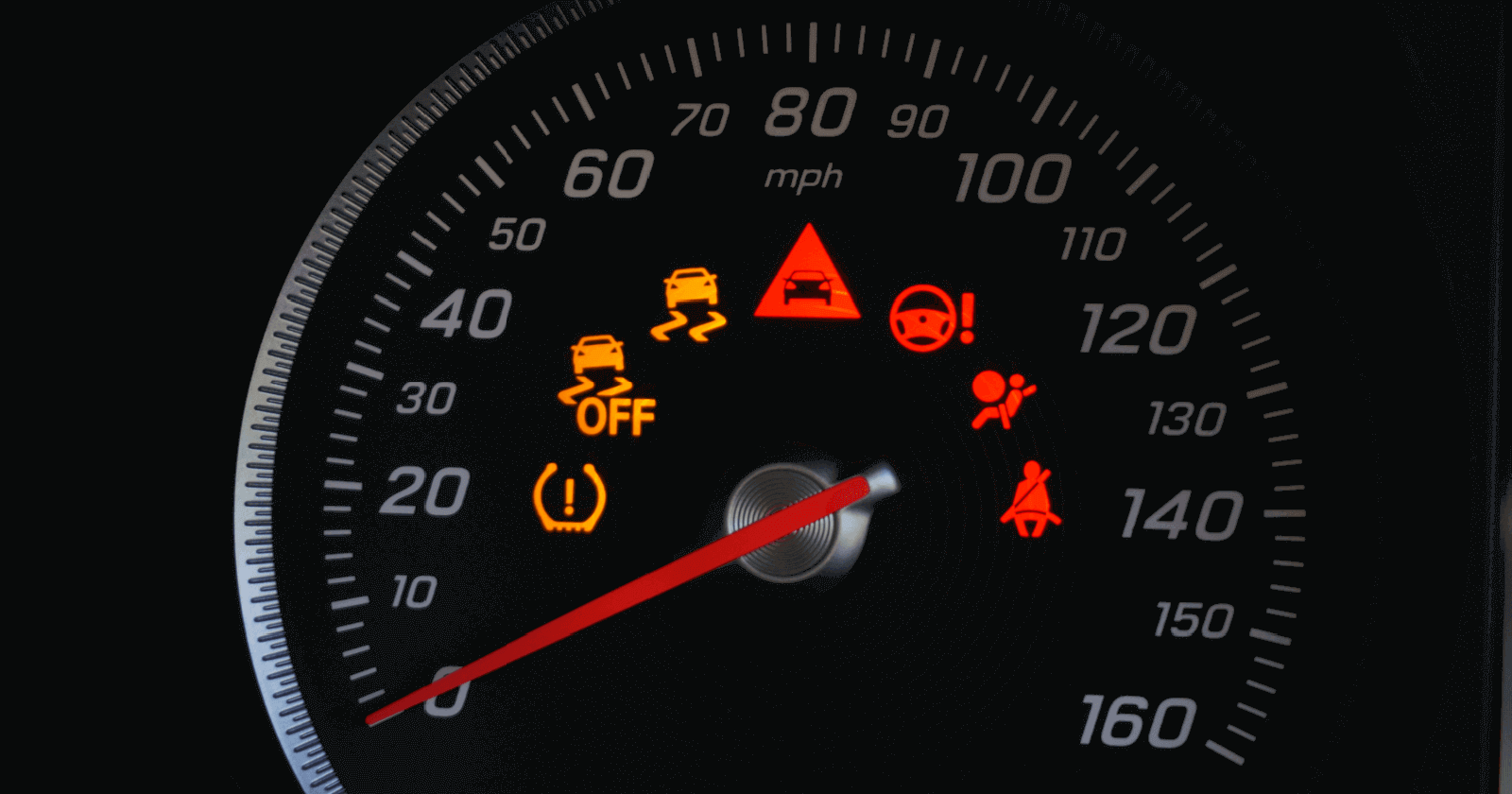
If you suddenly see multiple or all warning lights glowing on your dashboard at once, it can feel alarming—and honestly, it should grab your attention.
This isn’t a single issue—it usually points to a bigger electrical problem in your car.
Here’s the simple truth:
👉 Your vehicle may have a charging system or electrical failure.
What Does It Mean When All Dashboard Lights Turn ON?
It’s important to know:
👉 All dashboard lights turning ON briefly during startup is normal
(This is a system self-test)
👉 But if they stay ON while driving:
- It indicates a serious electrical issue
- Often related to low system voltage
Why This Warning Is Serious
Your car’s electrical system powers:
- Engine control unit (ECU)
- Sensors
- Safety systems (ABS, airbags, ESC)
- Instrument cluster
If voltage drops:
👉 Multiple systems start failing together
Most Common Cause: Alternator Failure
👉 The alternator is usually the main culprit
It:
- Generates electricity
- Charges the battery
If it fails:
- Battery drains
- Voltage drops
- All warning lights turn ON
This is the most common real-world scenario.
Other Possible Causes
Let’s break down additional reasons:
- Weak or Failing Battery
- Cannot supply enough voltage
- Causes system instability
- Bad Ground Connection
- Poor electrical return path
- Causes multiple system errors
- Faulty Wiring or Short Circuit
- Damaged wires
- Network communication failure
- Blown Fuse or Module Failure
- Affects multiple systems
- Triggers warning lights
- Voltage Regulator Issues
- Incorrect voltage supply
- System malfunction
All these issues can lead to multiple dashboard lights turning ON.
Symptoms You Might Notice
- Multiple warning lights glowing
- Flickering headlights
- Electrical features malfunctioning
- Engine performance issues
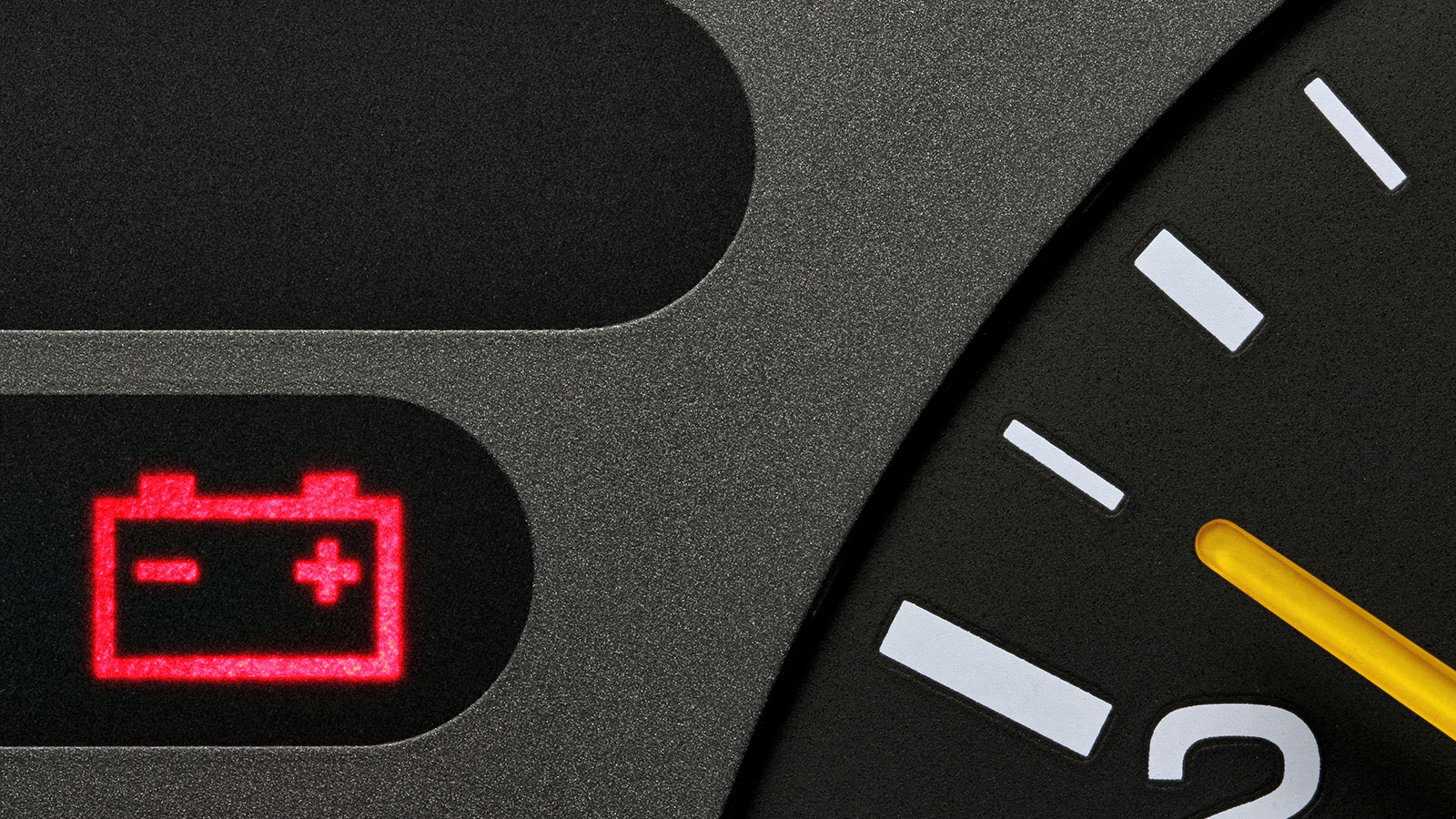
- Battery warning light ON
Can You Drive With All Warning Lights On?
👉 Yes—but only for a short distance and with caution.
- Car may still run
- But systems are unstable
👉 Risk:
- Sudden breakdown
- Loss of safety features
What Should You Do Immediately?
Follow this emergency checklist:
Step 1: Stay Calm
Don’t panic—focus on safe driving.
Step 2: Turn Off Extra Electrical Loads
- AC
- Music system
- Charging devices
Step 3: Check Battery Voltage (If Possible)
- Should be ~14V when running
- If dropping → charging issue
Step 4: Drive to Nearest Service Center
Avoid long distances.
Step 5: Avoid Night Driving
Headlights depend on battery power.
Cost of Repair in India
Here’s a rough estimate:
Minor Fixes:
- Wiring repair: ₹1,000 – ₹5,000
- Fuse replacement: ₹200 – ₹1,000
Medium Repairs:
- Battery replacement: ₹4,000 – ₹12,000
Major Repairs:
- Alternator replacement: ₹8,000 – ₹25,000+
How to Prevent This Issue
Simple habits can help:
✔ Maintain Battery Health
Replace every 3–4 years.
✔ Check Charging System
Regular inspection prevents failure.
✔ Inspect Wiring
Avoid corrosion and loose connections.
✔ Regular Diagnostics
Catch issues early.
Why Understanding This Matters Today
Modern vehicles rely heavily on:
- Electronic control units (ECUs)
- Sensor networks
- Electrical communication systems
When voltage drops:
👉 Everything starts failing together
Understanding this helps you:
- Avoid sudden breakdowns
- Diagnose root causes
- Save repair costs
From Driver to Smart Automotive Enthusiast
Most drivers:
- Panic when all lights appear
- Assume total failure
But informed drivers:
- Recognize electrical issues
- Act quickly
- Prevent further damage
That’s a big difference.
A Subtle Upgrade: Build Real Automotive Skills
If you’re curious about how electrical systems, alternators, and ECU networks work, this is a great starting point.
Learning skills like:
- Electrical diagnostics
- Charging system analysis
- Fault code reading
…can completely change your confidence level.
You move from:
👉 “All lights came on suddenly”
to
👉 “I know it’s a voltage issue.”
Final Thoughts
Seeing all dashboard lights ON is not normal while driving.
It usually means:
👉 Your car’s electrical system is failing.
Ignoring it can:
- Lead to complete breakdown
- Affect safety systems
- Increase repair costs
Soft CTA
If you’ve ever wanted to understand automotive electrical systems and diagnostics in depth, exploring structured automotive learning—especially in ECU systems and vehicle electronics—can be a valuable next step. It’s a practical way to become a more confident and capable driver who truly understands how modern vehicles work.
 Watch a real battery testing demo here: Reynlab YouTube Channel
 Explore our automotive training programs: www.reynlab.com/our-courses