
Introduction
The moment when a performance car accelerates from a standstill frequently defines the ownership experience. That visceral sensation of controlled acceleration—the perfect launch—represents the harmonious integration of driver skill and automotive engineering. For many enthusiasts, the ability to consistently execute rapid, controlled starts from a standstill isn’t just about bragging rights—it’s about experiencing the full capability of their vehicle.
Launch control, once exclusive to high-end performance cars and motorsport applications, has become increasingly common in production vehicles. This sophisticated electronic system manages engine power, clutch engagement, and traction to optimize acceleration from a standstill. However, factory launch control systems often prioritize mechanical sympathy and broad usability over outright performance, leaving significant potential untapped.
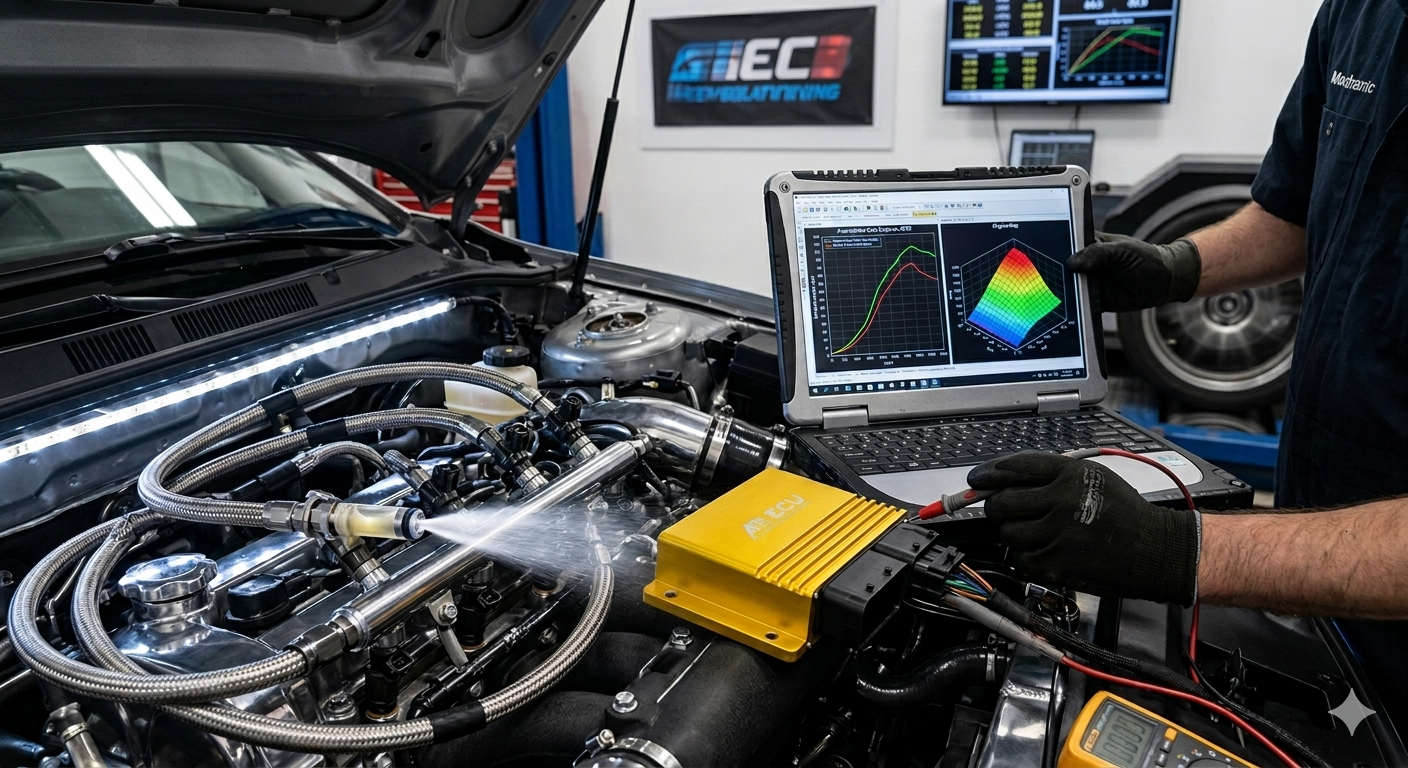
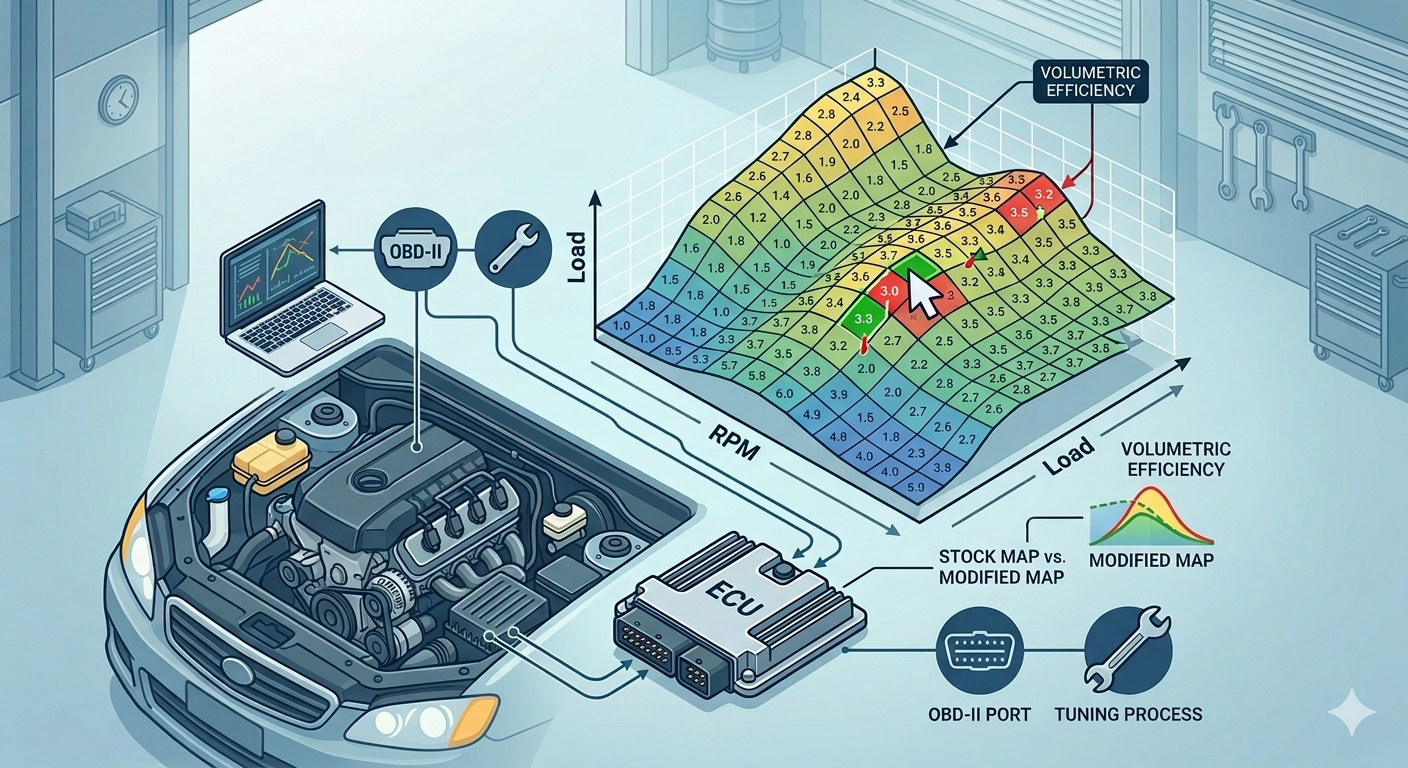
Enter ECU (Engine Control Unit) remapping for launch control—a specialized form of electronic tuning that recalibrates how your vehicle manages those critical first seconds of acceleration. By modifying the parameters that govern engine output, clutch engagement, wheel slip, and related systems during launch conditions, remapping can transform a vehicle’s off-the-line performance while maintaining reliability.
This blog explores how ECU remapping specifically enhances launch control performance, the technical aspects behind effective launch optimization, and practical considerations for implementing these modifications in various vehicle types. Whether you’re looking to improve drag strip times, enhance daily driving enjoyment, or maximize your vehicle’s capabilities, understanding launch control remapping provides valuable insight into this specialized aspect of vehicle performance.
Understanding Factory Launch Control Systems
The Evolution of Launch Control
Launch control has evolved significantly over the decades:
- Early Systems (1980s-1990s): Basic rev limiters that held engine RPM at a predetermined level
- Second Generation (2000s): Added basic traction control integration with limited adjustability
- Modern Systems (2010s-Present): Sophisticated integration of multiple vehicle systems with adaptive capabilities
Today’s factory launch control systems typically coordinate:
- Engine torque output management
- Clutch or torque converter engagement (depending on transmission type)
- Individual wheel brake application
- Throttle position management
- Spark and fuel delivery timing
- Boost control in turbocharged/supercharged applications
Factory Launch Control Limitations
While increasingly sophisticated, factory launch control systems have inherent limitations:
Mechanical Protection Priorities
- Conservative RPM limits to protect drivetrain components
- Gradual power delivery to minimize warranty claims
- Restricted launch frequency to prevent overheating
- Limited slip thresholds to protect tires and differentials
Environmental Adaptability Constraints
- Limited adjustment range for different surfaces
- Minimal customization for varying conditions
- Insufficient adaptation to temperature variations
- Restricted altitude compensation
User Experience Compromises
- Simplified interfaces limiting driver control
- Predetermined engagement points regardless of driver preference
- “One-size-fits-all” approach despite varying driver skill levels
- Limited feedback about system operation
These limitations create substantial opportunities for improvement through ECU remapping, particularly for enthusiasts willing to accept more responsibility for how they use their vehicle’s capabilities.
Technical Aspects of Launch Control Remapping
Core Parameters for Optimization
Effective launch control remapping focuses on several key areas:
Engine Management
- Launch RPM Settings: Tailoring the engine speed at which launch begins
- Torque Management: Modifying how engine output is controlled during the initial launch phase
- Ignition Timing Control: Optimizing spark timing for maximum off-the-line torque
- Boost Control: Specific boost targets and build rates for turbocharged applications
- Fuel Enrichment: Ensuring adequate fuel delivery for launch conditions
Clutch/Transmission Control
- Clutch Engagement Rates: How quickly clutches engage in dual-clutch or automated manual transmissions
- Torque Converter Lock-Up: Modified lock-up behavior in traditional automatic transmissions
- Shift Timing Optimization: Recalibrated shift points specifically for launch scenarios
- Torque Reduction During Shifts: Minimized power cuts during early gear changes
Traction Management
- Wheel Slip Targets: Defining the optimal amount of wheelspin for maximum acceleration
- Intervention Thresholds: When and how aggressively traction control systems activate
- Torque Distribution: Managing power between wheels/axles in AWD systems
- Brake Control Logic: How individual wheel brakes are applied to manage traction
Advanced Integration Aspects
Sophisticated launch control remapping addresses system coordination:
Vehicle Dynamics Integration
- Weight Transfer Management: Accounting for dynamic weight shift during launch
- Suspension Interaction: Coordinating with adaptive suspension systems
- Launch Angle Optimization: Managing vehicle pitch for optimal traction
- Surface Detection: Adapting to different surface conditions
Driver Interface Enhancements
- Customizable Launch Settings: User-selectable parameters for different conditions
- Enhanced Feedback: Additional information about system status and performance
- Multi-Stage Systems: Different launch profiles for varying scenarios
- Practice Modes: Features to help drivers refine their launch technique
Data Acquisition and Learning
- Launch Performance Metrics: Capturing and displaying key performance data
- Adaptive Strategies: Learning from previous launches to optimize future attempts
- Temperature Compensation: Adjusting parameters based on drivetrain temperatures
- Wear-Based Adaptation: Modifying strategies as clutches and other components age
Vehicle-Specific Approaches to Launch Control Remapping
Front-Wheel Drive Considerations
Front-wheel drive vehicles present unique launch challenges:
- Traction Limitations: Managing the reduced weight over the drive wheels during acceleration
- Torque Steer Management: Controlling uneven power delivery through the steering
- Wheel Hop Mitigation: Preventing damaging drivetrain oscillations
- Limited-Slip Integration: Optimizing electronic or mechanical differential behavior
Effective FWD launch control remapping typically focuses on:
- More progressive torque delivery to manage traction
- Specialized anti-wheel hop strategies
- Precise traction control thresholds to maximize available grip
- Integration with electronic limited-slip functionality where available
Rear-Wheel Drive Optimization
Rear-wheel drive platforms benefit from weight transfer during acceleration but require:
- Wheelspin Management: Finding the optimal slip ratio for maximum acceleration
- Differential Control: Specialized strategies for electronic limited-slip differentials
- Over-Rotation Prevention: Stability control integration to prevent spin-outs
- Surface-Specific Calibration: Different strategies for varying grip levels
RWD launch remapping typically emphasizes:
- Sophisticated wheelspin control algorithms
- Multiple launch maps for different surface conditions
- Progressive power delivery calibrated to available traction
- Optimized stability control intervention thresholds
All-Wheel Drive Systems
AWD vehicles offer launch advantages but require complex coordination:
- Torque Distribution Optimization: Ideal front/rear power split for maximum acceleration
- Center Differential Control: Managing power distribution between axles
- Corner Torque Vectoring: Distributing power across individual wheels
- System-Specific Strategies: Different approaches for various AWD architectures (Haldex, mechanical, torsen, etc.)
AWD launch control remapping focuses on:
- Torque distribution mapping specific to launch conditions
- Clutch pack pressure control in electronic AWD systems
- Coordination between center and axle differentials
- System-specific optimization based on particular AWD architecture
Transmission-Specific Considerations
Different transmission types require specialized approaches:
Dual-Clutch Transmissions (DCT)
- Clutch pressure and slip control optimization
- Engagement timing refinement
- Heat management strategies
- Torque handling limits recalibration
Conventional Automatics
- Torque converter lock-up behavior
- Line pressure control during launches
- Shift firmness and timing adjustment
- Kickdown prevention during launch sequence
Manual Transmissions
- Flywheel effect management
- Rev limiter behavior during clutch engagement
- Throttle mapping during clutch slip
- Anti-stall calibration for launch conditions
Real-World Benefits of Launch Control Remapping
Performance Improvements
Well-executed launch control remapping typically delivers:
- Reduced 0-60 mph Times: Improvements of 0.1-0.5 seconds are common
- Better 60-foot Times: Critical for drag racing applications
- Increased Consistency: More repeatable launch performance
- Enhanced Adaptability: Better performance across varying conditions
These gains come from optimization rather than increased power, extracting more performance from existing hardware.
Drivability Enhancements
Beyond raw performance numbers, remapping improves the launch experience:
- Smoother Engagement: More progressive power delivery during launch
- Reduced Drivetrain Shock: Better management of torque spikes
- Greater Controllability: More intuitive response to driver inputs
- Customization Options: Launch characteristics tailored to driver preferences
These improvements make launch control more usable in real-world conditions rather than just ideal environments.
Competitive Advantages
For motorsport applications, launch control remapping offers:
- Starting Line Advantages: Critical in drag racing and circuit racing starts
- Repeatability: Consistent performance regardless of driver stress or conditions
- Surface Adaptability: Quick adjustments for changing track conditions
- Heat Management: Better performance during multiple back-to-back launches
These benefits can provide the competitive edge needed in amateur and professional competition.
Implementation Approaches and Considerations
Professional Tuning Options
Several pathways exist for professional launch control remapping:
Dealership Performance Departments
- Factory-trained technicians with dealer-level diagnostic equipment
- Often maintain warranty coverage
- Typically more conservative approaches
- Access to manufacturer technical information
Independent Tuning Specialists
- Often more experience with performance optimization
- Greater willingness to push boundaries
- Vehicle-specific expertise
- Custom solutions for modified vehicles
Motorsport-Oriented Tuners
- Competition-focused calibration experience
- Data-driven approach to optimization
- Experience with durability under extreme conditions
- Integration with other race-oriented systems
DIY and Consumer Solutions
For enthusiasts seeking more accessible options:
Flash Tuning Products
- Consumer-oriented programmers with pre-built maps
- Varying levels of customization capabilities
- Often include multiple pre-configured launch strategies
- Usually reversible for dealer service visits
Piggyback Controllers
- Non-permanent additions that modify sensor signals
- Launch control-specific modules available for some platforms
- Often feature user adjustability
- Generally warranty-friendly as they’re easily removed
Smartphone Integration
- Modern systems with app-based configuration
- Real-time adjustments possible in some systems
- Data logging and performance feedback
- Social sharing of settings and results
Technical Requirements
Successful launch control remapping requires:
- Comprehensive Vehicle Analysis: Understanding the specific platform’s characteristics and limitations
- Proper Diagnostic Equipment: Access to relevant sensors and control systems
- Testing Facilities: Safe environment to validate launch performance
- Data Acquisition Systems: Tools to measure and analyze launch data
- Vehicle-Specific Knowledge: Understanding of particular drivetrain architecture and failure points
Without these elements, launch control modifications may deliver suboptimal results or potentially cause damage.
Considerations and Precautions
Mechanical Preparation
Before implementing enhanced launch control, consider:
- Clutch Condition: Upgraded clutches may be necessary for increased launch torque
- Drivetrain Reinforcement: Identifying and addressing potential weak points
- Transmission Fluid Quality: Ensuring proper lubrication for increased stress
- Mount Integrity: Checking engine and transmission mounts for wear
The vehicle’s mechanical foundation must match the increased demands of optimized launch control.
Reliability Implications
Understanding the trade-offs is essential:
- Component Lifespan: Potentially reduced service intervals for wear items
- Heat Management: Increased thermal loads during repeated launches
- Stress Concentration: Identifying which components receive additional stress
- Progressive Implementation: Starting conservative and gradually optimizing
Responsible tuners design launch control remapping with durability in mind, not just peak performance.
Warranty Considerations
Launch control modifications typically impact warranty coverage:
- Manufacturer Detection: Modern vehicles record launch events and modifications
- Warranty Implications: Understanding what aspects of coverage may be affected
- Reversibility Options: Ability to return to stock for service visits
- Documented Reliability: Research on long-term effects of specific modifications
Balancing performance goals with warranty preservation requires careful planning and sometimes compromise.
Case Studies: Platform-Specific Results
Turbocharged AWD Performance Car
A popular Japanese AWD performance sedan with dual-clutch transmission saw these improvements after launch control remapping:
- Launch RPM increased from 4,000 to 5,200 RPM
- Initial torque management reduced by 22%
- Wheel slip target increased from 5% to 12%
- Resultant 0-60 mph improvement of 0.4 seconds
- Heat management improved to allow three consecutive launches
The remapping focused on torque distribution optimization and clutch engagement timing, finding the sweet spot between traction and power delivery.
European RWD Sports Coupe
A German rear-wheel-drive sports coupe with an 8-speed automatic transmission demonstrated:
- Custom launch RPM settings for different surface conditions
- Torque converter lock-up timing advanced by 0.8 seconds
- Initial gear hold extended by 400 RPM
- Stability control thresholds increased by 30%
- Resultant improvement in 0-60 mph by 0.3 seconds
The calibration emphasized progressive power delivery and stability control integration, creating more consistent launches regardless of driver skill level.
American Muscle Car
A V8-powered American performance car with manual transmission received:
- Throttle mapping specifically for clutch engagement
- Secondary rev limiter during launch to prevent over-rev
- Traction control recalibration for higher slip thresholds
- Torque management reshaping for linearity
- Improvement in quarter-mile ET by 0.2 seconds
The focus was on creating a more manageable power delivery that allowed for consistent launches without excessive wheelspin or drivetrain shock.
Conclusion
ECU remapping for better launch control represents one of the most effective ways to unlock a vehicle’s full acceleration potential without altering its mechanical components. By precisely tuning engine output, transmission behavior, traction systems, and driver interface parameters, remapped launch control can dramatically improve 0–60 times, consistency, and driver confidence—whether on the drag strip, racetrack, or everyday road.
While factory systems aim for broad safety and reliability, remapping allows for tailored performance that reflects individual driver preferences, specific surface conditions, and the vehicle’s unique characteristics. However, these enhancements demand a thoughtful approach. Proper mechanical preparation, tuning expertise, and awareness of warranty and reliability implications are crucial to ensuring long-term success.
As technology continues to evolve, future launch control systems will become even smarter—learning from past behavior, adapting to real-time conditions, and offering unprecedented levels of customization and performance. For enthusiasts and competitive drivers alike, ECU remapping for launch control isn’t just about faster starts—it’s about taking full control of the driving experience.
📺 Watch a real battery testing demo here: Reynlab YouTube Channel
🌐 Explore our automotive training programs: www.reynlab.com/our-courses