As an automotive enthusiast or performance driver, understanding how Electronic Control Unit (ECU) tuning can enhance your vehicle’s traction control is essential for improving both safety and performance. This comprehensive guide explores the technical aspects of ECU tuning specifically for better traction control, with information relevant to Indian road conditions and vehicles.
What is ECU Tuning?
The Electronic Control Unit (ECU) is essentially your vehicle’s brain, controlling everything from fuel injection timing to throttle response and, crucially, traction control systems. ECU tuning involves modifying the software parameters that govern how these systems function, allowing for customization beyond factory settings.
In the Indian context, where road conditions vary dramatically from smooth highways to unpaved rural roads, proper ECU tuning can make a significant difference in how your vehicle handles different terrains.
Understanding Traction Control Systems
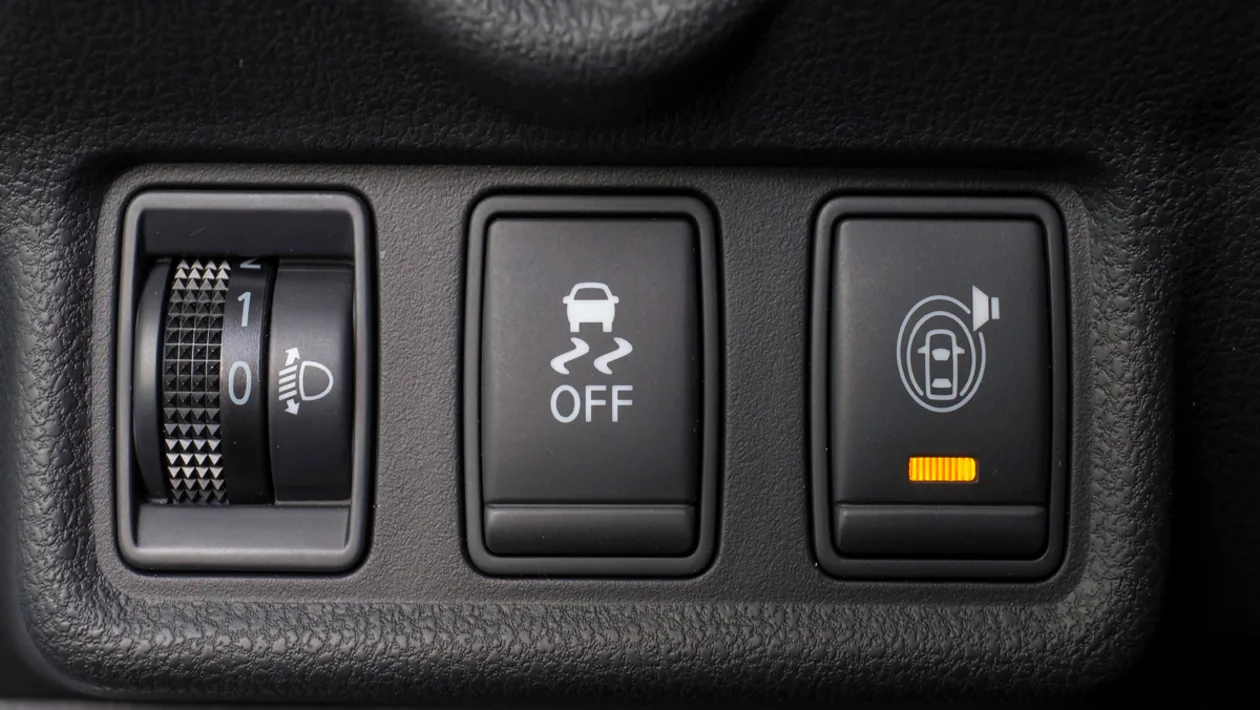
Before diving into tuning, it’s important to understand what traction control actually does. Traction control systems (TCS) monitor wheel speeds through sensors and reduce engine power or apply brakes when wheel slip is detected. This helps maintain grip and stability, particularly in low-traction conditions like wet roads or loose surfaces.
Modern vehicles in India typically feature varying levels of traction control technology, from basic systems to advanced electronic stability control (ESC) that works alongside anti-lock braking systems (ABS).
Benefits of ECU Tuning for Traction Control
- Customized Response for Indian Road Conditions
Factory traction control settings are designed for general use and may be too intrusive or not responsive enough for specific Indian driving conditions. Through ECU tuning, you can adjust traction control parameters to better suit:
- Monsoon season driving with frequent water logging
- Dusty and unpaved rural roads
- Varied quality of asphalt on highways
- Traffic patterns unique to Indian cities
- Performance Improvements
Properly tuned traction control can significantly improve:
- Acceleration without wheel spin
- Cornering stability
- Launch control effectiveness
- Overall vehicle handling and confidence
- Safety Enhancements
Contrary to the misconception that traction control tuning is only for performance, proper calibration can enhance safety by:
- Providing more predictable vehicle behavior
- Reducing the likelihood of skids during emergency maneuvers
- Improving stability during sudden direction changes
- Offering better control in adverse weather conditions
Technical Aspects of ECU Traction Control Tuning
Intervention Thresholds
One of the most critical aspects of traction control tuning is adjusting the slip thresholds—the point at which the system activates. Factory settings are often conservative, which can feel intrusive during spirited driving or specific conditions.
Tuning options include:
- Increasing the slip threshold to allow slightly more wheel slip before intervention
- Adjusting the rate of intervention (gradual vs. immediate)
- Creating different profiles for various driving conditions
Power Reduction Strategies
When traction control detects wheel slip, it typically reduces engine power. Tuning can modify:
- How aggressively power is cut
- Whether power reduction is applied through throttle limitation, ignition timing retardation, or fuel cut
- How quickly full power is restored once traction is regained
Brake-Based Intervention
Many modern traction control systems use selective brake application to control wheel slip. Tuning parameters include:
- Brake application force
- Duration of brake intervention
- Which wheels receive brake force in different scenarios
Integration with Other Systems
Advanced ECU tuning considers how traction control interacts with:
- Differential settings (especially in vehicles with limited-slip or electronic differentials)
- ABS calibration
- Stability control systems
- Transmission shift patterns
ECU Tuning Methods for Indian Vehicles
Reflashing/Remapping
This is the most common method for ECU tuning, involving replacing the stock software with modified parameters. In India, this service is increasingly available at specialized performance shops in major cities like Delhi, Mumbai, Bangalore, and Chennai.
Piggyback Systems
These devices intercept and modify signals between sensors and the ECU without permanently altering the ECU software. Popular among Indian enthusiasts due to:
- Relatively lower cost compared to full reflashing
- Ability to easily revert to stock settings
- Less risk of warranty issues with newer vehicles
Standalone ECU Systems
For serious performance applications, aftermarket ECUs completely replace the factory unit. While less common in India due to cost and complexity, they offer the most comprehensive tuning options for traction control and other systems.
Popular Vehicles for Traction Control Tuning in India
Hatchbacks and Sedans
- Maruti Suzuki Swift/Baleno
- Hyundai i20 N Line
- Volkswagen Polo GT TSI
- Honda City
SUVs
- Mahindra Thar
- Tata Harrier
- MG Hector
- Hyundai Creta
Performance Cars
- Skoda Octavia
- Volkswagen Jetta
- Toyota Fortuner
- Jeep Compass
The Tuning Process
- Assessment and Baseline Testing
A proper tuning process begins with:
- Diagnostics to ensure all systems are functioning correctly
- Baseline performance testing
- Understanding the driver’s requirements and driving conditions
- Evaluating the vehicle’s current traction control behavior
- Software Modification
Using specialized software and hardware interfaces, tuners can:
- Access the ECU’s programming
- Modify traction control parameters
- Create multiple maps for different conditions
- Implement safety limits to prevent damage
- Testing and Refinement
This critical phase involves:
- Road testing in various conditions
- Data logging and analysis
- Progressive adjustments based on real-world performance
- Fine-tuning for specific driver preferences
- Validation and Final Setup
The final stage ensures:
- Consistent behavior across all driving conditions
- No unintended consequences in other vehicle systems
- Proper fail-safes are in place
- The driver understands how to best use the new settings
Legal and Warranty Considerations in India
Road Legality
In India, ECU modifications exist in a somewhat gray area. While not explicitly illegal in most cases, substantial modifications may affect:
- Pollution certification
- Insurance coverage
- Vehicle registration validity
It’s advisable to:
- Keep modifications within reasonable limits
- Maintain emissions compliance
- Document all changes for potential insurance queries
Warranty Implications
Most manufacturer warranties in India will be affected by ECU modifications. Consider:
- Some dealerships may be more modification-friendly than others
- Piggyback systems that can be removed before service appointments
- The possibility of proving that modifications didn’t cause specific failures
Common Myths about Traction Control Tuning
Myth 1: Traction Control Always Reduces Performance
While factory traction control can sometimes feel restrictive, properly tuned systems can actually enhance performance by maintaining optimal traction, particularly in powerful vehicles.
Myth 2: Turning Off Traction Control is Better Than Tuning It
Complete deactivation removes a safety net without providing the benefits of optimized intervention. Tuning allows for a balanced approach that maintains safety while improving performance.
Myth 3: Traction Control Tuning is Only for High-Performance Cars
Even everyday vehicles used in challenging Indian conditions can benefit from properly tuned traction control systems, improving safety and drivability.
Cost Considerations for Indian Enthusiasts
ECU tuning costs in India vary significantly based on:
Basic Reflashing
- ₹15,000 to ₹25,000 for simple traction control adjustments
- Usually performed as part of a comprehensive tune
Piggyback Systems
- ₹30,000 to ₹60,000 including installation
- Additional costs for custom mapping
Standalone ECUs
- ₹80,000 to ₹2,00,000+ depending on capabilities
- Substantial additional cost for professional installation and tuning
Finding Reputable Tuners in India
When looking for qualified professionals to tune your vehicle’s traction control:
- Research extensively through automotive forums and enthusiast groups
- Ask for examples of previous work on similar vehicles
- Check if they have proper diagnostic equipment and software licenses
- Ensure they offer post-tuning support
- Verify their understanding of how traction control integrates with other vehicle systems
Conclusion
ECU tuning for better traction control represents a sophisticated approach to vehicle optimization that balances performance and safety. For Indian drivers facing unique road conditions, properly tuned traction control can transform a vehicle’s capability and driver confidence.
When approached with proper research, realistic expectations, and professional implementation, traction control tuning can provide substantial benefits without compromising vehicle reliability or safety. As the automotive performance scene in India continues to mature, more specialized tuning options are becoming available to enthusiasts seeking to maximize their vehicle’s potential.
Remember that the best traction control tuning is often subtle—you shouldn’t notice it working, but you should feel more confident in your vehicle’s ability to maintain traction and stability across all driving conditions.
Whether you’re navigating monsoon-soaked city streets or challenging mountain passes, optimized traction control can be the difference between a stressful drive and a confident, controlled driving experience.
📺 Watch a real battery testing demo here: Reynlab YouTube Channel
🌐 Explore our automotive training programs: www.reynlab.com/our-courses