Understanding ECU Limiters and How to Adjust Them
For automotive enthusiasts seeking to maximize vehicle performance, understanding the nature and function of ECU limiters is essential. These electronic safeguards play a crucial role in your vehicle’s operation, and knowing how to properly adjust them can unlock significant performance improvements while maintaining reliability.
What Are ECU Limiters?
The Engine Control Unit (ECU) serves as your vehicle’s electronic brain, managing numerous parameters to optimize performance, efficiency, and longevity. Among its many functions, the ECU employs various limiters designed to protect the engine and drivetrain components from potentially damaging operating conditions.
The primary limiters built into modern ECUs include:
- Rev Limiter – Restricts the maximum engine RPM to prevent over-revving that could cause valve float, connecting rod failure, or other catastrophic damage.
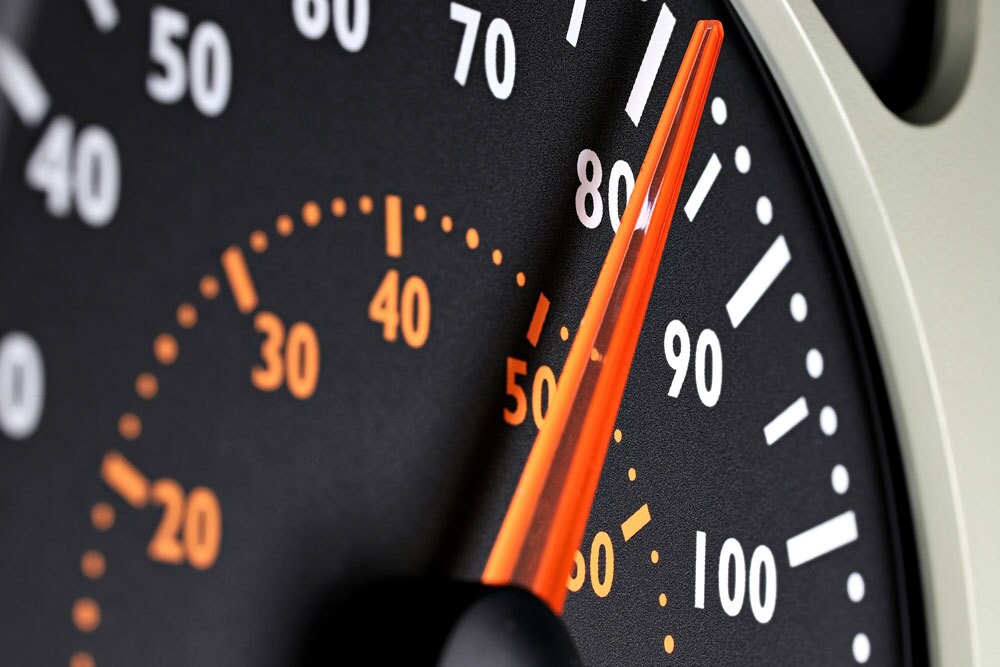
- Speed Limiter – Caps the maximum vehicle speed, often implemented for safety reasons, tire rating compliance, or regulatory requirements.
- Torque Limiter – Restricts the maximum torque output to protect transmission components and maintain driveline integrity.
- Boost Limiter – Controls the maximum boost pressure in turbocharged and supercharged applications to prevent engine knock and component failure.
- Fuel Cut Limiters – Reduce fuel supply under certain conditions to protect the engine or emissions system.
- Temperature Limiters – Modify engine parameters when critical components approach thermal limits.
These limiters operate through sophisticated algorithms that continuously monitor sensor inputs and adjust engine parameters accordingly. When a threshold is approached or exceeded, the ECU intervenes by modifying ignition timing, fuel delivery, throttle response, or boost pressure to bring the system back within safe operating parameters.
Why Adjust ECU Limiters?
While factory ECU limiters are established with considerable safety margins, there are legitimate reasons to adjust them:
Performance Enhancement – Manufacturers often set conservative limits to accommodate varying fuel quality, maintenance practices, and driving conditions. Vehicles operated in controlled environments with premium fuels may safely function beyond these parameters.
Component Upgrades – When aftermarket parts like forged internals, upgraded cooling systems, or reinforced transmissions are installed, the original limiters may be unnecessarily restrictive.
Specialized Applications – Racing, towing, or high-altitude operation may benefit from custom limiter settings tailored to specific use cases.
Emissions Compliance – In some regions, modifications must work within emissions regulations, requiring precise limiter adjustments that enhance performance without exceeding environmental standards.
Methods for Adjusting ECU Limiters
There are several approaches to modifying ECU limiters, each with distinct advantages and considerations:
- ECU Reflashing/Remapping
ECU reflashing involves replacing the stock programming with modified software containing adjusted limiter parameters. This comprehensive approach allows for precise calibration of multiple limiters simultaneously.
The process typically involves:
- Creating a backup of the factory ECU settings
- Uploading modified software via an OBD-II port or direct ECU connection
- Fine-tuning parameters based on vehicle response and data logging
Professional reflashing services utilize:
- Specialized software platforms like EFILive, HP Tuners, or COBB Accessport
- Dyno testing to verify performance changes and ensure safety margins
- Data logging during real-world operation to validate the modifications
- Piggyback Systems
These supplementary controllers modify or intercept signals between sensors and the ECU, effectively altering the input data the ECU uses to make decisions.
Popular approaches include:
- Fuel pressure regulators that alter the ECU’s fuel mapping
- Electronic throttle controllers that modify pedal response curves
- Boost controllers that override wastegate signals in turbocharged applications
Advantages of piggyback systems:
- Non-invasive installation that preserves factory ECU programming
- Easier reversibility for warranty or emissions testing
- Often more affordable than complete reflashing solutions
- Standalone ECU Replacement
For the most comprehensive control, aftermarket standalone ECUs replace the factory unit entirely, offering virtually unlimited adjustability.
This approach enables:
- Complete customization of all limiter parameters
- Support for additional sensors and actuators
- Advanced features like launch control, flat-shift capability, and anti-lag systems
Considerations for standalone systems:
- Significant cost increase over other methods
- Complex installation requiring specialized knowledge
- Potential integration challenges with vehicle subsystems like ABS or stability control
Adjusting Specific Limiters
Rev Limiter Adjustment
The rev limiter is often the first modification enthusiasts pursue. When increasing this limit, consider:
Mechanical Constraints:
- Valve float typically begins 500-1000 RPM above stock redline in most engines
- Connecting rod strength becomes a limiting factor as RPM increases
- Oil pump capacity and pressure must remain adequate at higher RPM
Implementation Strategy:
- Increase in small increments (200-300 RPM)
- Perform careful data logging focusing on oil pressure and bearing temperatures
- Listen for valve train noise indicating valve float or insufficient lash
- Consider progressive limiters that activate in stages for smoother intervention
Complementary Modifications:
- Upgraded valve springs with higher rate and less mass
- Lighter pistons and connecting rods to reduce reciprocating mass
- Enhanced oiling systems to maintain pressure at elevated RPM
Boost Limiter Adjustment
For forced induction applications, modifying boost limits requires particular attention to air-fuel ratios and knock sensitivity:
Safety Parameters:
- Maintain air-fuel ratios between 11.5:1 and 12.5:1 under full load
- Keep exhaust gas temperatures below 1650°F (900°C)
- Monitor knock sensor activity and ignition timing pull
Implementation Approach:
- Increase boost gradually in 1-2 PSI increments
- Data log critical parameters during each test session
- Adjust fuel delivery to maintain proper air-fuel ratios
- Reduce ignition advance as necessary to prevent detonation
Supporting Modifications:
- Larger intercooler to maintain intake air temperatures
- Upgraded fuel system to support increased air volume
- Lower temperature thermostat to improve overall cooling
Speed Limiter Adjustment
When modifying speed limiters, consider both legal implications and mechanical requirements:
Legal Considerations:
- Many jurisdictions prohibit removing speed limiters on public roads
- Track-only vehicles may legally operate without speed restrictions
- Some modifications may affect insurance coverage or liability
Technical Implementation:
- Identify the limiting factor (governor, rev limiter in top gear, or fuel cut)
- Modify the appropriate parameter in the ECU software
- Consider tire speed ratings when establishing new limits
- Verify speedometer accuracy following any changes
Safety Enhancements:
- Upgraded braking systems to match increased speed capability
- Performance tires with appropriate speed ratings
- Aerodynamic modifications to improve high-speed stability
Tools and Software for Limiter Adjustments
The market offers numerous platforms for modifying ECU limiters:
For Japanese Vehicles:
- EcuTek provides comprehensive tuning solutions for Subaru, Mitsubishi, and Nissan platforms
- OpenECU offers advanced capabilities for Honda and Toyota applications
For European Applications:
- COBB Accessport supports various BMW, Porsche, and Volkswagen models
- APR’s ECU tuning ecosystem serves the Audi, Volkswagen, and Porsche markets
For American Platforms:
- HP Tuners and EFILive dominate the GM, Ford, and Chrysler segments
- Diablo Sport offers consumer-friendly options with limited customization
Universal Tools:
- OBD-II scanning tools with live data capabilities
- Data logging systems to monitor engine parameters
- Wideband oxygen sensors for precise air-fuel ratio monitoring
Risks and Precautions
Adjusting ECU limiters inherently involves some level of risk that must be managed:
Potential Complications:
- Catastrophic engine failure from over-revving or detonation
- Transmission damage from excessive torque
- Increased wear on components operating near design limits
- Voided warranties and potential insurance implications
Risk Mitigation Strategies:
- Research thoroughly before making any modifications
- Start with conservative adjustments and progress gradually
- Install comprehensive monitoring systems
- Establish clear abort criteria before testing
- Consider professional tuning for complex modifications
Maintenance Implications:
- More frequent oil changes using higher-quality lubricants
- Regular inspection of high-stress components
- Upgraded cooling systems to manage increased thermal loads
- Premium fuel requirements to prevent detonation
Professional vs. DIY Approaches
The decision between professional tuning and DIY modifications depends on several factors:
When to Consider Professional Services:
- Complex multi-parameter adjustments requiring synchronization
- Limited personal experience with ECU programming
- Absence of necessary diagnostic equipment
- Valuable vehicles where mistakes could be costly
DIY Suitability Factors:
- Simpler single-parameter adjustments
- Adequate technical knowledge and diagnostic tools
- Comprehensive understanding of potential risks
- Willingness to accept responsibility for outcomes
Cost Comparison:
- Professional ECU tuning typically ranges from $500-$1500
- DIY solutions start around $200 for basic equipment
- Advanced standalone systems can exceed $3000 plus installation
Conclusion
Understanding and adjusting ECU limiters represents an essential aspect of performance tuning that balances enhanced capability with responsible engineering. By approaching these modifications methodically—with proper research, incremental adjustments, and comprehensive monitoring—enthusiasts can safely unlock their vehicle’s potential while maintaining reliability.
The key takeaway should be one of measured progression: start with conservative adjustments, gather data to validate changes, and advance gradually toward performance goals while respecting mechanical limitations. This approach not only maximizes performance but also preserves the longevity and dependability of your vehicle.
Whether pursuing professional tuning or embarking on a DIY project, remember that the most successful modifications are those that enhance performance without sacrificing reliability. By understanding how ECU limiters function and how to adjust them properly, you’ll be well-equipped to make informed decisions that transform your driving experience while protecting your investment.
📺 Watch a real battery testing demo here: Reynlab YouTube Channel
🌐 Explore our automotive training programs: www.reynlab.com/our-courses