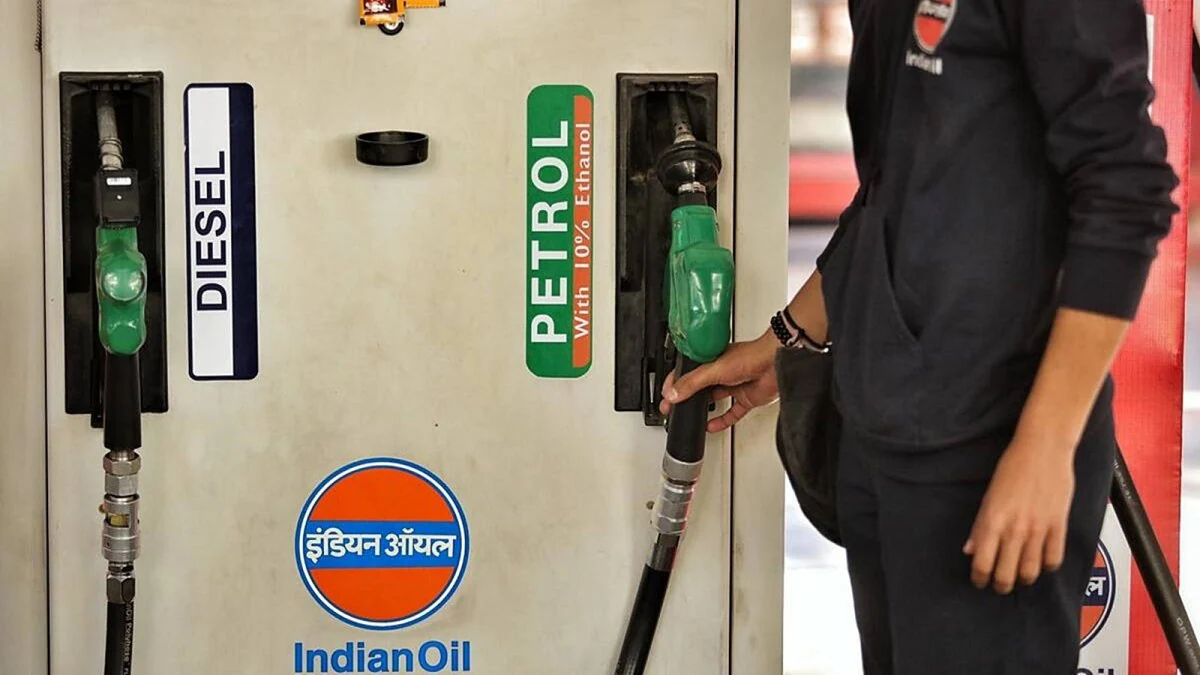
Introduction: The Rise of Ethanol Blended Fuel in India
As India pushes toward energy independence and environmental sustainability, ethanol blended petrol has become increasingly common at fuel stations across the country. The government’s ambitious E20 program aims to achieve 20% ethanol blending by 2025, making it crucial for young drivers and automotive enthusiasts to understand both the benefits and potential drawbacks of this biofuel.
While ethanol offers environmental advantages and reduces dependency on crude oil imports, it also presents unique challenges for vehicle engines. This comprehensive guide explores how ethanol affects engine performance, the types of damage it can cause, and practical steps to protect your vehicle investment.
What is Ethanol Fuel? Understanding the Basics
Ethanol, chemically known as ethyl alcohol (C₂H₅OH), is a renewable biofuel produced primarily from sugarcane, corn, and other biomass materials. In India, sugarcane serves as the primary feedstock for ethanol production, supporting both environmental goals and agricultural economics.
Common ethanol blends include:
E10: 10% ethanol, 90% gasoline (widely available in India)
E15: 15% ethanol, 85% gasoline (being phased in)
E20: 20% ethanol, 80% gasoline (government target for 2025)
E85: 85% ethanol, 15% gasoline (flex-fuel vehicles only)
The Indian government mandates ethanol blending to reduce carbon emissions, decrease fuel import bills, and provide additional income streams for farmers. However, understanding its impact on engines remains essential for vehicle owners.
How Ethanol Damages Engines: The Scientific Explanation
- Corrosion and Material Degradation
Ethanol’s hygroscopic nature means it readily absorbs moisture from the atmosphere. This water absorption creates several problems:
Metal Corrosion: Water-ethanol mixtures become acidic over time, corroding fuel system components made of aluminum, steel, and other metals. Fuel tanks, fuel lines, and injectors suffer gradual deterioration.
Rubber and Plastic Degradation: Ethanol acts as a solvent, breaking down rubber seals, gaskets, and plastic components in older vehicles not designed for ethanol compatibility. This leads to fuel leaks and system failures.
- Phase Separation Issues
When ethanol-blended fuel absorbs excessive moisture (typically above 0.5%), phase separation occurs. The ethanol-water mixture separates from gasoline, settling at the bottom of the fuel tank. This separation causes:
Poor engine performance and rough idling
Potential water ingestion into the combustion chamber
Fuel system contamination
Starting difficulties, especially in cold weather
- Fuel System Cleaning Effects
Ethanol’s excellent solvent properties can dislodge years of accumulated deposits in fuel systems. While this might sound beneficial, it creates problems:
Clogged fuel filters and injectors
Contaminated fuel with debris and varnish
Inconsistent fuel flow and pressure
- Energy Content Reduction
Ethanol contains approximately 33% less energy than gasoline by volume. Higher ethanol blends result in:
Decreased fuel economy (3-4% reduction with E10)
Reduced power output
Need for more frequent refueling
Specific Engine Components at Risk
Fuel Injection System
Modern fuel injection systems face particular vulnerability to ethanol damage. The precise tolerances required for optimal fuel delivery can be compromised by:
Injector clogging from dissolved deposits
Fuel pump wear from ethanol’s lower lubricity
Pressure regulator malfunction due to material degradation
Carburetor Issues (Older Vehicles)
Carbureted engines, common in older Indian vehicles and motorcycles, experience:
Float bowl corrosion
Needle and seat wear
Passage blockage from debris
Engine Internals
Long-term ethanol exposure can affect:
Valve seats and guides (in engines without hardened seats)
Fuel pump diaphragms and seals
Intake manifold gaskets
Identifying Ethanol Damage in Your Vehicle
Watch for these warning signs:
Performance Issues:
Rough idling or stalling
Difficulty starting, especially when cold
Reduced acceleration and power Unusual engine knock or ping
Fuel System Problems:
Fuel leaks around connections
Strong fuel odor
Clogged fuel filter (requiring frequent replacement)
Erratic fuel gauge readings
Visual Indicators:
Corroded metal components in the fuel system
Deteriorated rubber fuel lines
White or greenish deposits around fuel connections
Protecting Your Engine from Ethanol Damage
- Vehicle Compatibility Check
Before using higher ethanol blends:
Consult your vehicle’s manual for ethanol compatibility
Check manufacturer recommendations
Consider vehicle age and fuel system materials
- Fuel Additives and Treatments
Fuel Stabilizers: Add fuel stabilizers containing corrosion inhibitors, especially for vehicles stored for extended periods.
Ethanol Treatment Products: Use additives designed to prevent phase separation and reduce corrosion.
Water Removal: Products like isopropyl alcohol can help remove water from the fuel system.
- Maintenance Practices
Regular Fuel Filter Changes: Replace fuel filters more frequently when using ethanol blends.
Fuel System Inspection: Regularly check fuel lines, connections, and tank for signs of deterioration.
Keep Tank Full: Minimize air space in the fuel tank to reduce moisture absorption.
Use Fresh Fuel: Avoid storing ethanol-blended fuel for extended periods.
- Quality Fuel Selection
Choose reputable fuel stations with high turnover
Avoid fuel that smells unusual or appears contaminated
Consider premium grades that may have better additive packages
The Economics of Ethanol Damage
For Indian students managing tight budgets, understanding the financial implications is crucial:
Short-term Costs:
Slightly lower fuel prices due to government subsidies
Reduced fuel economy (3-4% increase in consumption)
Long-term Costs:
More frequent fuel filter replacements (₹500-1,500 extra annually)
Potential fuel pump replacement (₹8,000-15,000)
Fuel system cleaning services (₹2,000-5,000)
Carburetor rebuilds for older vehicles (₹3,000-8,000)
Future Outlook: Adapting to India’s Ethanol Program
As India moves toward E20 blending, consider these strategies:
For New Vehicle Purchases: Choose vehicles certified for E20 compatibility, featuring ethanolresistant materials and components.
For Existing Vehicles: Implement preventive maintenance practices and consider fuel system upgrades if recommended by manufacturers.
Stay Informed: Monitor government guidelines and manufacturer recommendations as the ethanol program evolves.
Conclusion: Making Informed Decisions
While ethanol fuel presents challenges for engine longevity and performance, proper understanding and maintenance can mitigate most issues. Indian students entering the automotive world should balance environmental benefits with practical considerations.
The key lies in informed decision-making: understanding your vehicle’s compatibility, implementing appropriate maintenance practices, and staying updated on evolving fuel standards. As India’s ethanol program expands, those prepared with knowledge and proper maintenance habits will better protect their vehicle investments while contributing to national energy security.
Remember, the transition to higher ethanol blends is inevitable, but with proper preparation and maintenance, you can minimize potential damage while supporting India’s sustainable energy future.
Stay updated with automotive technology and fuel developments by following reliable automotive news sources and consulting certified mechanics for vehicle-specific guidance.
📺 Watch a real battery testing demo here: Reynlab YouTube Channel
🌐 Explore our automotive training programs: www.reynlab.com/our-courses