Modern vehicles are not just mechanical—they are networks on wheels.
Every system in a car (engine, brakes, sensors, ECU) communicates through a network called the CAN Bus.
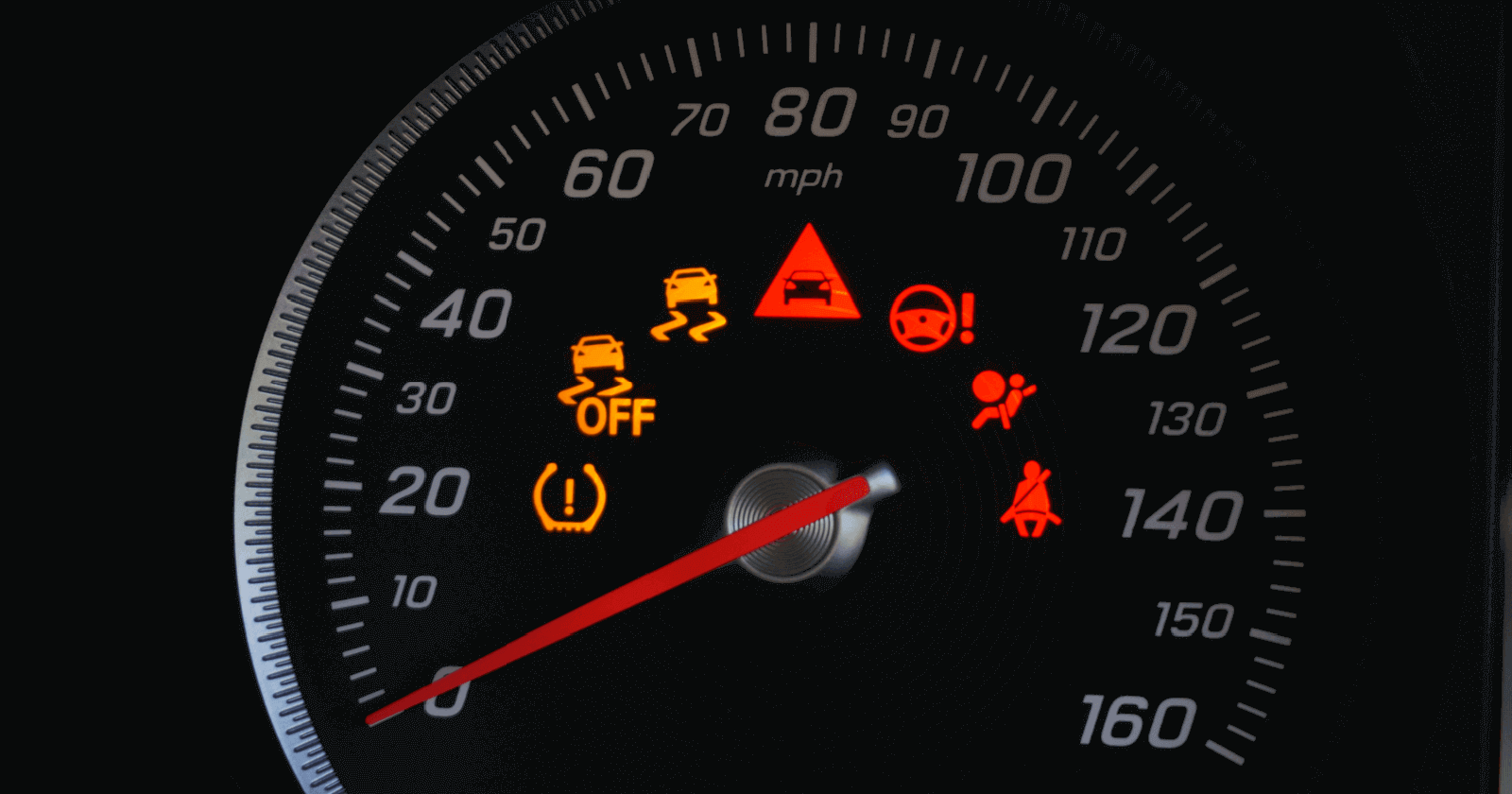
👉 If this communication fails, the vehicle can behave unpredictably.
For automotive technicians and workshop owners in India, understanding CAN Bus is:
- Essential for advanced diagnostics
- Critical for ECU and sensor troubleshooting
- A high-value skill with strong earning potential
What is CAN Bus?
CAN (Controller Area Network) Bus is a communication system that allows different electronic modules (ECUs) in a car to talk to each other.
Example:
- Engine ECU sends data → Transmission ECU
- ABS module communicates with ECU
👉 No central computer—everything is interconnected
How CAN Bus Works
Step-by-Step Process:
Step 1: Sensors send data
Step 2: ECU processes information
Step 3: Data is transmitted via CAN Bus
Step 4: Other modules receive and act
👉 Real-time communication system
Key Components of CAN Bus System
- ECUs (Electronic Control Units)
- Engine ECU
- ABS ECU
- Airbag ECU
👉 Each ECU acts as a node in the network
- CAN High & CAN Low Wires
Function:
- Carry data signals
👉 Twisted pair design reduces interference
- Terminators (Resistors)
Purpose:
- Maintain signal stability
👉 Typically 120-ohm resistors
- Diagnostic Port (OBD2)
👉 Used to access CAN data through a scanner
Common CAN Bus Problems
- No Communication Error
Symptoms:
- Scanner cannot connect
- Multiple warning lights
- Random System Failures
Cause:
- Network communication breakdown
- Intermittent Issues
Cause:
- Loose wiring
- Signal disturbance
- Short Circuit in CAN Lines
Cause:
- Damaged wires
- Water ingress
Step-by-Step CAN Bus Diagnostics
Step 1: Scan for Communication Errors
Use:
- Advanced diagnostic scanner
👉 Look for “No communication” faults
Step 2: Check CAN Bus Voltage
Expected Values:
- CAN High ≈ 2.5V – 3.5V
- CAN Low ≈ 2.5V – 1.5V
👉 Abnormal readings indicate a problem
Step 3: Inspect Wiring
Check:
- Broken wires
- Corrosion
- Loose connectors
Step 4: Check Resistance
Measurement:
- ~60 ohms across CAN lines
👉 Incorrect value = network fault
Step 5: Isolate Faulty Module
Method:
- Disconnect ECUs one by one
👉 Helps identify faulty unit
Common Causes of CAN Bus Failure in India
- Rodent damage to wiring
- Water ingress during monsoon
- Heat damage
- Poor aftermarket installations
For Workshop Owners: Why Learn CAN Bus?
Benefits:
- Solve complex vehicle issues
- Offer high-value services
- Face less competition
👉 Advanced diagnostics = premium pricing
CAN Bus Repair Cost in India
Service | Cost Range |
Diagnostics | ₹1,000 – ₹5,000 |
Wiring repair | ₹2,000 – ₹10,000 |
ECU replacement | ₹10,000+ |
India-Specific CAN Bus Challenges
Key Factors:
- Rodents damaging wiring
- Water exposure
- Poor electrical modifications
- Extreme heat conditions
Common Mistakes to Avoid
- ❌ Replacing ECU without checking network
- ❌ Ignoring wiring issues
- ❌ Not checking resistance
- ❌ Using basic tools for advanced diagnostics
Frequently Asked Questions (FAQs)
Q1: What is CAN Bus in cars?
A communication network connecting all ECUs.
Q2: What happens if CAN Bus fails?
Multiple vehicle systems stop working or behave abnormally.
Q3: Can CAN Bus be repaired?
Yes, usually by fixing wiring or replacing faulty modules.
Conclusion
CAN Bus is the backbone of modern vehicle communication systems.
For Technicians in India, Mastering CAN Bus Means:
- Solving complex problems
- Becoming a specialist
- Increasing earning potential
👉 CAN Bus knowledge = expert-level technician
📺 Watch a real battery testing demo here: Reynlab YouTube Channel
🌐 Explore our automotive training programs: www.reynlab.com/our-courses