The automotive performance scene in India is rapidly evolving, with more car enthusiasts looking to extract maximum performance from their vehicles. One of the most talked-about modifications is DeCAT (Catalytic Converter Delete).
While DeCAT can improve performance and exhaust flow, it also comes with technical, environmental, and legal considerations—especially in India where BS6 emission norms are strictly enforced.
🔍 WHAT IS DECAT?
DeCAT stands for Catalytic Converter Delete, which means removing the catalytic converter from a vehicle’s exhaust system.
The catalytic converter reduces harmful emissions by converting toxic gases into less harmful substances.
When removed:
- Exhaust flow becomes less restricted
- Engine breathes more freely
- Performance may improve
⚙️ HOW THE EXHAUST SYSTEM WORKS
A typical exhaust system includes:
- Exhaust manifold
- Catalytic converter
- Resonator
- Muffler
- Tailpipe
The catalytic converter helps in:
- Reducing emissions
- Controlling temperature
- Minimizing harmful gases
Inside it:
- Platinum and palladium convert gases
- CO, NOx, and hydrocarbons are reduced
Over time (50,000–60,000 km), it may fail due to:
- High temperatures
- Mechanical damage
- Engine issues
- Carbon clogging
⚡ WHY DO PEOPLE DO DECAT?
✔ Improved Performance
- Increased horsepower
- Better throttle response
✔ Faster Acceleration
- Engine revs faster
- Improved pickup
✔ Reduced Maintenance Cost
- Avoid expensive catalyst replacement
✔ Popular in Performance Builds
- Track cars
- Off-road vehicles
- Modified builds
🛠️ HOW TO DO DECAT PROPERLY
Step 1: Remove Catalytic Converter
- Replace with straight pipe or performance downpipe
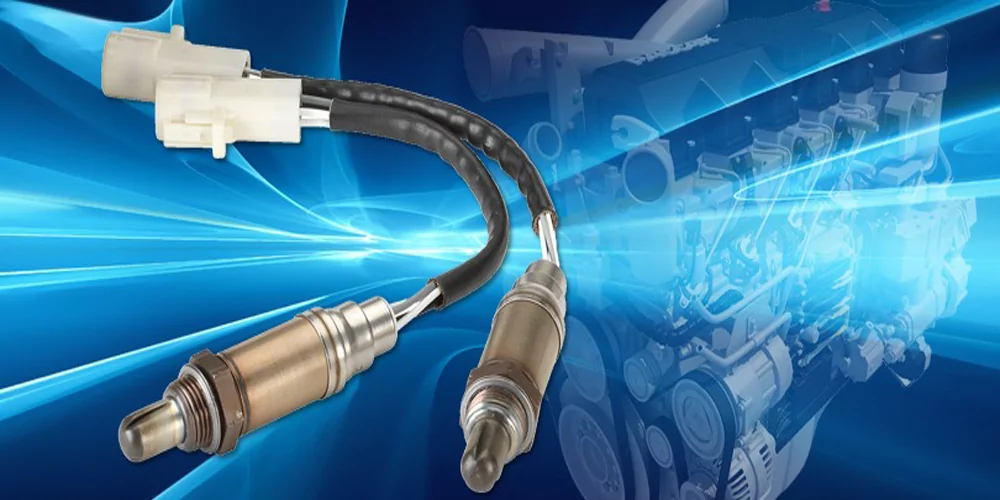
Step 2: Handle O2 Sensors
- Upstream O2 sensor
- Downstream (rear) O2 sensor
👉 Rear sensor monitors catalytic efficiency
Step 3: ECU Modification
Without catalytic converter:
- ECU detects inefficiency
- Triggers Check Engine Light
👉 Common error: P0420 – Catalyst System Efficiency Below Threshold
🔥 REAR O2 SENSOR DELETE (LAMBDA REMOVAL)
To avoid errors after DeCAT, rear O2 sensor must be disabled via software.
Methods:
✔ Software-Based Removal (Recommended)
- Modify ECU maps
- Disable rear O2 logic
- Prevent error codes
❌ O2 Sensor Simulator
- Hardware workaround
- Not fully reliable
Why software is better:
- Permanent solution
- No recurring errors
- Better tuning control
⚖️ DECAT VS STOCK CATALYTIC CONVERTER
- Emissions: Low (Stock) | High (DeCAT)
- Performance: Moderate (Stock) | Higher (DeCAT)
- Noise: Low (Stock) | Loud (DeCAT)
- Maintenance: High (Stock) | Low (DeCAT)
- Legality: Legal (Stock) | Restricted (DeCAT)
⭐ ADVANTAGES OF DECAT
- ✔ Increased power
- ✔ Better acceleration
- ✔ Reduced engine load
- ✔ Eliminates catalyst issues
- ✔ No Check Engine Light (with proper tuning)
⚠️ DISADVANTAGES OF DECAT
- ❌ Increased pollution
- ❌ Higher noise levels
- ❌ Illegal for road use in India
- ❌ Possible engine issues if done incorrectly
🔊 WHAT IS POP & BANG?
Pop & Bang is a tuning feature where:
- Fuel ignites in the exhaust
- Produces popping/crackling sound
Achieved by:
- Retarding ignition timing
- Modifying fuel maps
⚠️ Important:
- Works best with DeCAT
- Can damage engine if overused
- Mainly for sound, not performance
💻 DECAT SOFTWARE & TOOLS
Common ECU tuning tools:
- WinOLS
- Swiftec
- ECM Titanium
Used for:
- Disabling O2 sensors
- Removing error codes
- Optimizing engine maps
🇮🇳 IS DECAT LEGAL IN INDIA?
❗ For Road Use:
- DeCAT is illegal under emission laws
✔ Allowed for:
- Track use
- Off-road vehicles
- Motorsport applications
Using it on public roads may lead to:
- Fines
- Failed pollution tests
- Legal issues
📈 WHO SHOULD CONSIDER DECAT?
✔ Performance enthusiasts
✔ Track car owners
✔ ECU tuning professionals
Not recommended for:
- Daily city driving
- Eco-conscious users
- BS6-compliant vehicles used legally
🔑 FINAL VERDICT: IS DECAT WORTH IT?
✔ Worth it if:
- You want performance gains
- You use the car for track/off-road
- You have proper ECU tuning
❌ Not worth it if:
- You drive daily in city
- You need legal compliance
- You prioritize environment
🏁 CONCLUSION
DeCAT is one of the most powerful yet controversial modifications in the automotive world. While it improves performance, it must be done carefully with proper tuning and awareness of legal risks.
🚀 FINAL TAKEAWAY
👉 Use DeCAT only for track/off-road
👉 Always pair with professional ECU remapping
👉 Understand the risks before modifying
📺 Watch a real battery testing demo here: Reynlab YouTube Channel
🌐 Explore our automotive training programs: www.reynlab.com/our-courses