Engine problems are among the most common—and most confusing—issues faced by automotive technicians in India. Many mechanics rely on guesswork, leading to wasted time, unnecessary part replacements, and unhappy customers.
But professional technicians follow a structured diagnostic approach.
Whether you’re:
- A beginner learning car repair
- An experienced mechanic upgrading your skills
- A workshop owner improving efficiency
This guide will help you diagnose engine problems like a pro.
🔧 Why Engine Diagnostics Skills Are Critical
Key Reasons:
- Engine repairs are high-value jobs
- Misdiagnosis leads to customer loss
- Indian conditions (heat, dust, traffic) stress engines more
💡 Accurate diagnosis = higher income + trust
🧠 Step 1: Understand the Customer Complaint
Before opening the hood, ask:
- When did the issue start?
- Is it constant or occasional?
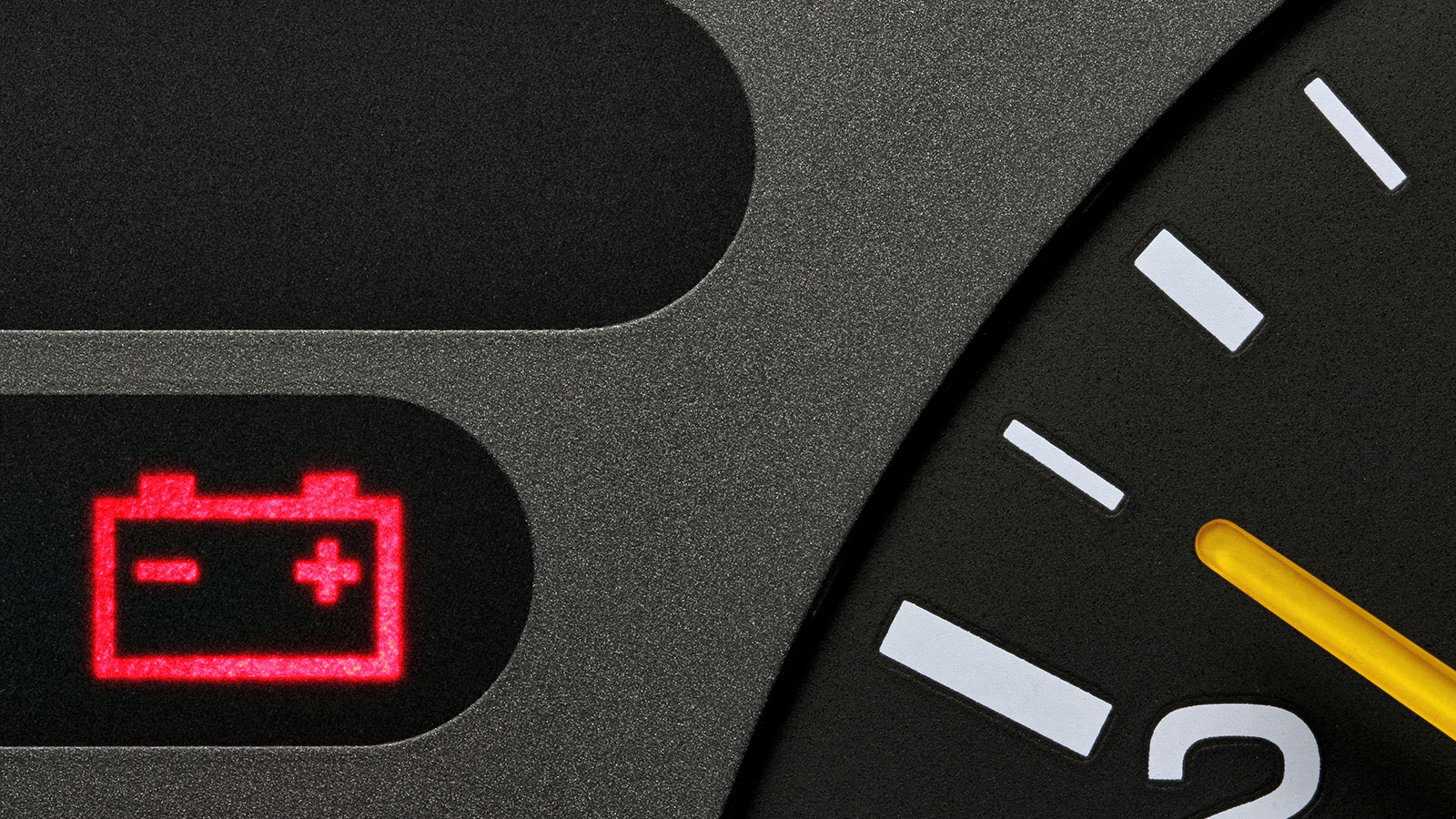
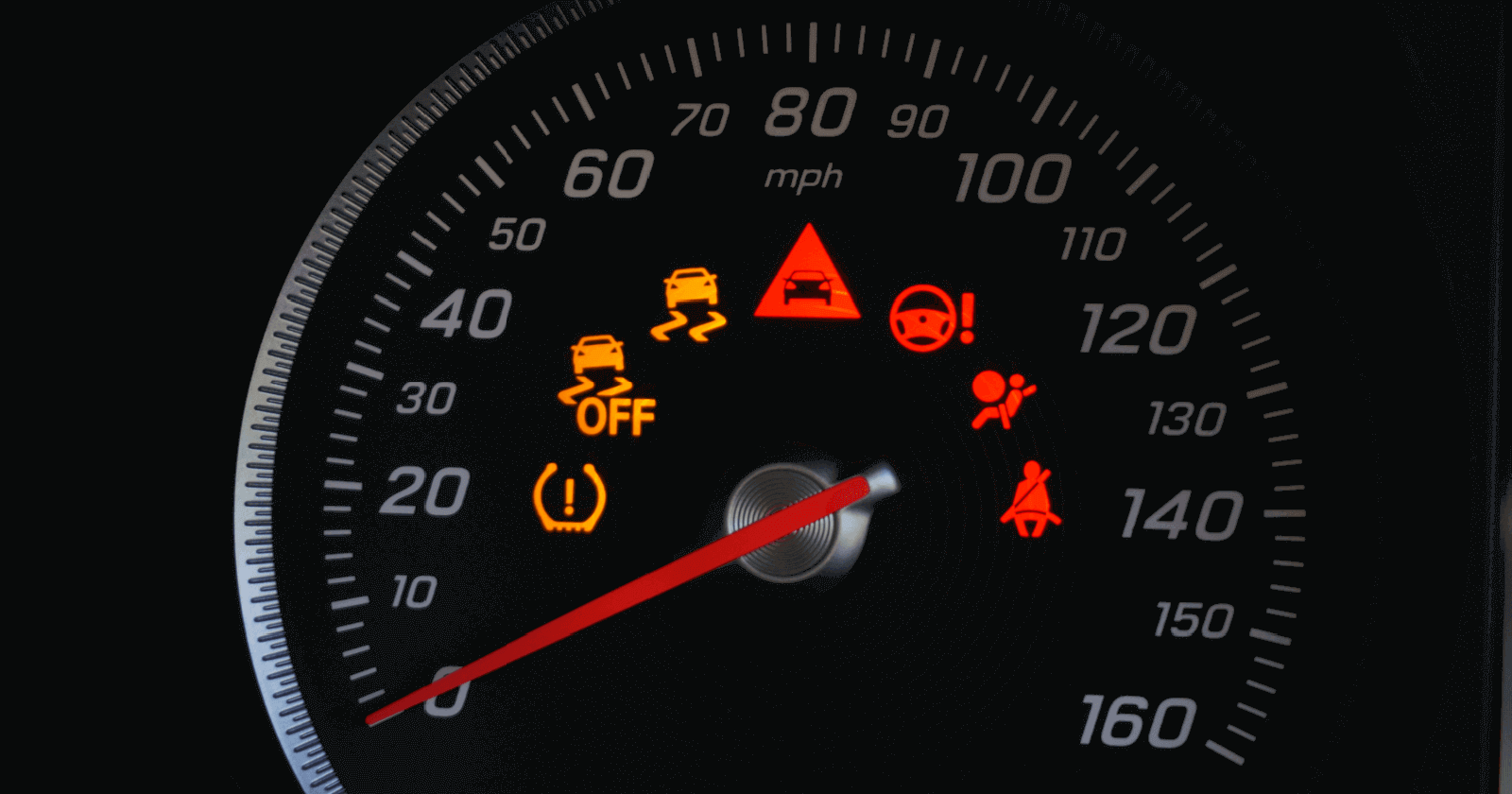
- Any warning lights?
- Driving conditions (city/highway)?
👉 This saves time and narrows down possibilities.
🔍 Step 2: Perform a Basic Visual Inspection
Check for:
- Oil leaks
- Loose hoses
- Broken belts
- Dirty air filter
- Low fluid levels
💡 Many engine problems are visible without tools.
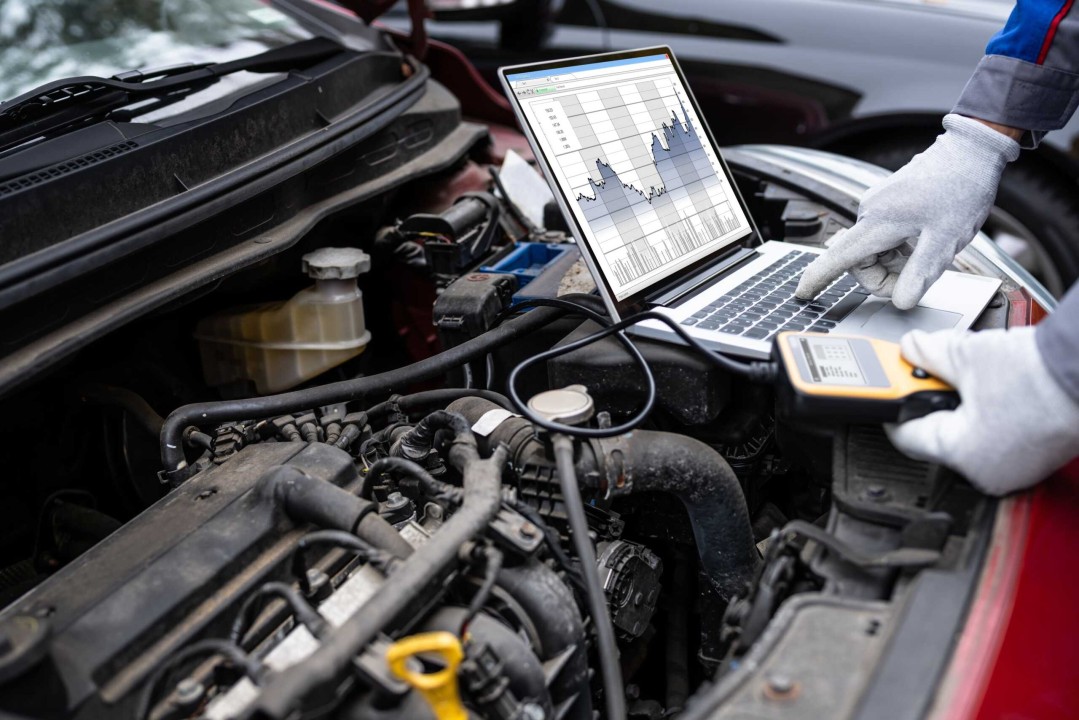
📟 Step 3: Use an OBD2 Scanner
Understanding OBD2 Scanners – A Beginner’s Guide for Automotive Technicians in India
- Read fault codes
- Check live data
- Look for abnormal readings
Example:
- Code P0300 → Misfire
- Code P0171 → Lean mixture
👉 But remember: codes guide you—they don’t confirm the fault.
🔥 Step 4: Identify the Type of Engine Problem
- Engine Not Starting
Possible causes:
- Battery issue
- Starter motor
- Fuel supply
- Engine Misfire
Causes:
- Faulty spark plugs
- Bad ignition coils
- Fuel injector issues
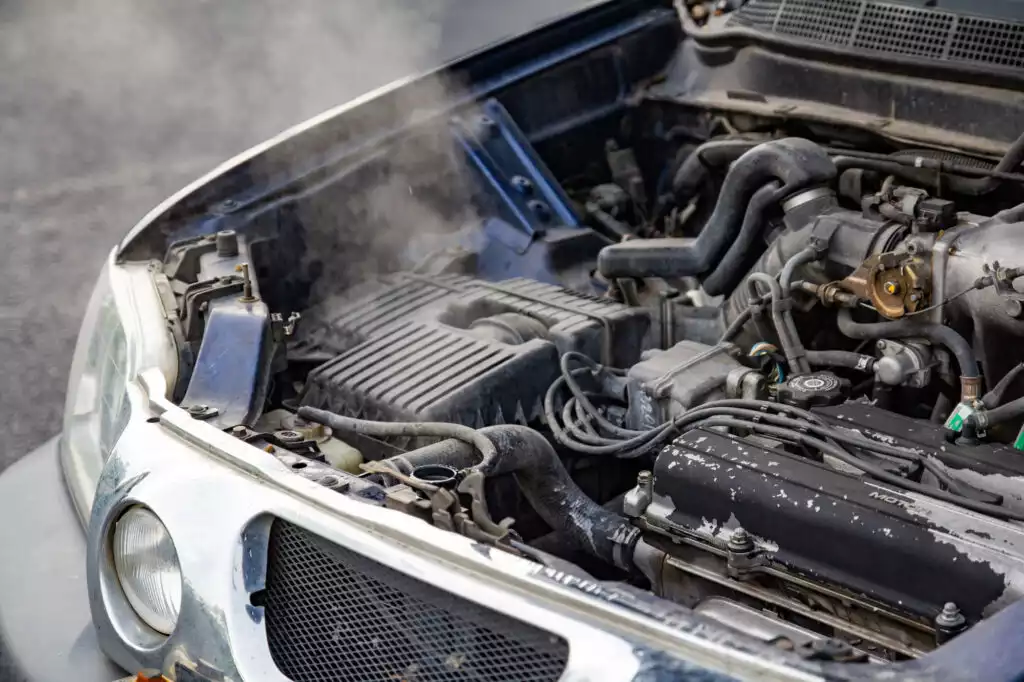
- Overheating Engine
Causes:
- Low coolant
- Radiator blockage
- Faulty thermostat
- Poor Mileage
Causes:
- Dirty air filter
- Faulty sensors
- Fuel system issues
- Rough Idling
Causes:
- Vacuum leaks
- Throttle body issues
- Sensor malfunction
⚙️ Step 5: Check the Core Engine Systems
🔥 Fuel System
- Fuel pump
- Injectors
- Fuel filter
⚡ Ignition System
- Spark plugs
- Ignition coils
- Wiring
🌬️ Air Intake System
- Air filter
- Throttle body
- Sensors
👉 Diagnose system-by-system, not randomly.
🔧 Step 6: Use Logical Elimination
Professional technicians don’t guess—they eliminate.
Example:
Engine misfire:
- Check spark plug
- Check ignition coil
- Check injector
👉 Find the exact faulty component before replacing anything.
🧪 Step 7: Test Before Replacing Parts
Tools to Use:
- Multimeter
- Compression tester
- OBD2 scanner
💡 Testing saves money—for both you and the customer.
🧠 Step 8: Confirm the Root Cause
Before final repair:
- Recheck symptoms
- Verify test results
- Ensure no secondary issues
👉 This is what separates pros from average mechanics.
🧑🔧 For Workshop Owners: Standard Diagnostic Process
Implement a system:
- Customer complaint checklist
- Visual inspection protocol
- Scanner diagnosis
- Testing before replacement
💡 This reduces errors and improves workshop reputation.
🇮🇳 India-Specific Engine Issues
Common Causes:
- Dust → clogged filters
- Heat → overheating
- Traffic → engine stress
- Fuel quality → carbon buildup
👉 Indian conditions require frequent maintenance checks.
⚠️ Common Mistakes Technicians Make
- ❌ Replacing parts without testing
- ❌ Ignoring basic inspection
- ❌ Misinterpreting fault codes
- ❌ Skipping customer feedback
❓ FAQs
Q1: How do I diagnose engine problems?
Start with inspection, use OBD2 scanner, and test systems step-by-step.
Q2: What causes engine misfire?
Faulty spark plugs, ignition coils, or fuel issues.
Q3: Can beginners diagnose engine issues?
Yes, with a structured approach and practice.
🏁 Conclusion
Diagnosing engine problems is a skill that can transform your career as an automotive technician in India. It’s not about having expensive tools—it’s about having the right process.
Master:
- Observation
- Logical thinking
- System-based diagnosis
…and you’ll become a technician customers trust—and recommend.
📺 Watch a real battery testing demo here: Reynlab YouTube Channel
🌐 Explore our automotive training programs: www.reynlab.com/our-courses