Automotive Electrical Systems: Easy Guide for Technicians in India
· Automotive service technician
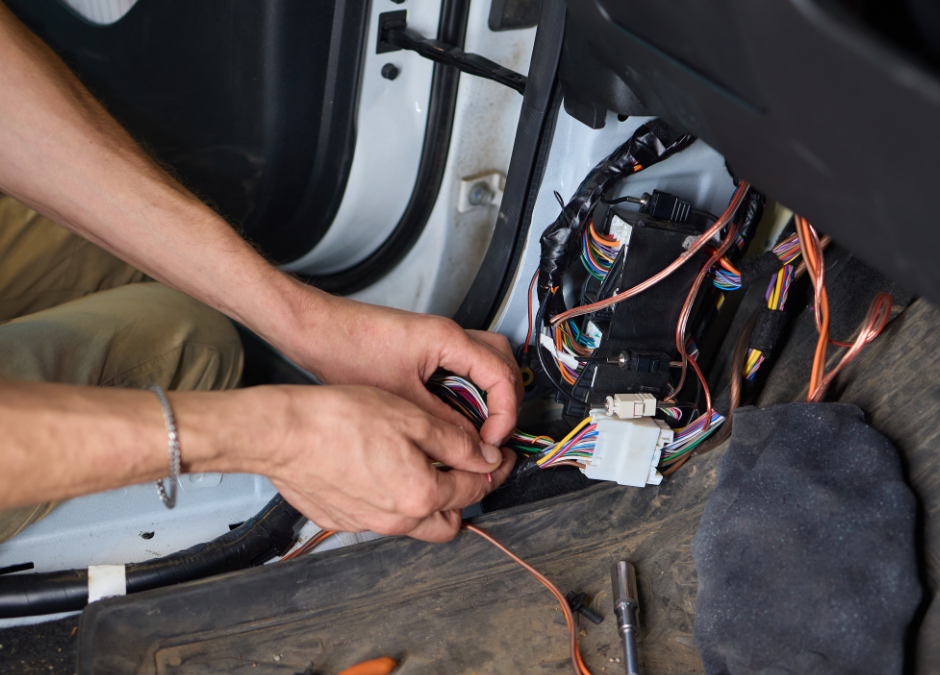
Modern cars are no longer purely mechanical. They are powered by complex electrical systems that control everything from engine performance to safety features. For automotive technicians and workshop owners in India, understanding electrical systems is no longer optional. Over 60% of modern car issues are electrical-related.
Whether you are a beginner technician, an experienced mechanic or a workshop owner training staff, mastering automotive electrical systems will significantly improve your efficiency, accuracy and earnings.
What is an automotive electrical system?
An automotive electrical system is a network of components that generate power, store electricity, distribute current and control vehicle functions. The main components are the battery, alternator, starter motor, wiring and fuses, and the sensors and ECU.
1. Battery: the heart of the system
The battery supplies power to start the car and supports the electrical components. Common problems in India are battery drain due to heat, corrosion on terminals and weak charging.
The basic checks are voltage (12.4V–12.7V is ideal), terminal condition and load testing. Many electrical complaints start with the battery.
2. Alternator: the power generator
The alternator charges the battery and powers the electrical systems when the engine runs. Symptoms of failure are dim headlights, the battery warning light and frequent battery discharge.
3. Starter motor: engine ignition
The starter motor cranks the engine to start it. Common issues are a clicking sound, no crank and slow starting. These are often confused with battery problems, so proper diagnosis is key.
4. Wiring and connectors
Wiring carries electrical signals across the car. Common Indian issues are dust and moisture damage, rodent bites and loose connections. A single loose wire can cause major faults.
5. Fuses and relays
Fuses and relays protect circuits from overload and control electrical flow. A blown fuse stops a system from working, and a faulty relay causes intermittent issues. Always check fuses before deeper diagnostics.
6. Sensors and ECU in modern systems
Examples are the oxygen sensor, temperature sensor and crankshaft sensor. They send data to the ECU and help optimise performance. Faulty sensors mean wrong data, and wrong data means poor performance.
7. Basic electrical diagnostics: must-know skills
The tools required are a multimeter, a test light and an OBD2 scanner. The things to test are voltage, resistance and continuity.
Step-by-step electrical diagnosis process
- Identify the issue. For example, the car is not starting.
- Check the battery. Check voltage and terminals.
- Inspect the fuses. Replace any that are blown.
- Test the wiring. Look for loose or damaged wires.
- Use a multimeter. Check the voltage flow.
Follow the sequence and do not jump steps.
Common electrical problems in India
The frequent issues are battery drain, a faulty alternator, sensor failure and wiring damage.
Common mistakes technicians make
- Ignoring basic checks
- Replacing parts without testing
- Not using a multimeter
- Misreading wiring diagrams
Electrical problems require patience and logic.
For workshop owners: electrical skills mean high profit
Electrical jobs have higher margins. There are fewer skilled technicians, so there is less competition, and faster diagnosis means more vehicles per day. Investing in electrical training pays off quickly.
India-specific insights
Heat reduces battery life, traffic increases electrical load, dust affects connectors and aftermarket accessories cause issues. Understanding local conditions improves accuracy.
Frequently asked questions
What is the main electrical system in a car?
It includes the battery, alternator, starter, wiring and sensors.
What causes electrical problems in cars?
The usual causes are battery issues, wiring faults and sensor failures.
Can beginners learn electrical diagnostics?
Yes, by starting with basic tools like a multimeter.
Summary
Understanding automotive electrical systems is one of the most valuable skills a technician can have in the Indian automotive market. It is not about memorising, it is about understanding how electricity flows through the vehicle. Master this, and you will diagnose faster, earn more and build long-term customer trust.
Watch our workshop videos on the Reynlab YouTube Channel. You can also explore our automotive training programs at www.reynlab.com/our-courses.
More posts for automotive technicians
For course on Automotive Technician
Related posts
Fleet Maintenance Business in India: Easy and Profitable Guide for Workshops
How EV Cars Work: Easy Guide for Technicians in India
Battery Maintenance Tips: Easy and Essential Guide for Technicians in India