Transport ministry approves mandatory ABS in all 2-wheelers, 2 helmets with new bikes
· Automotive service technician
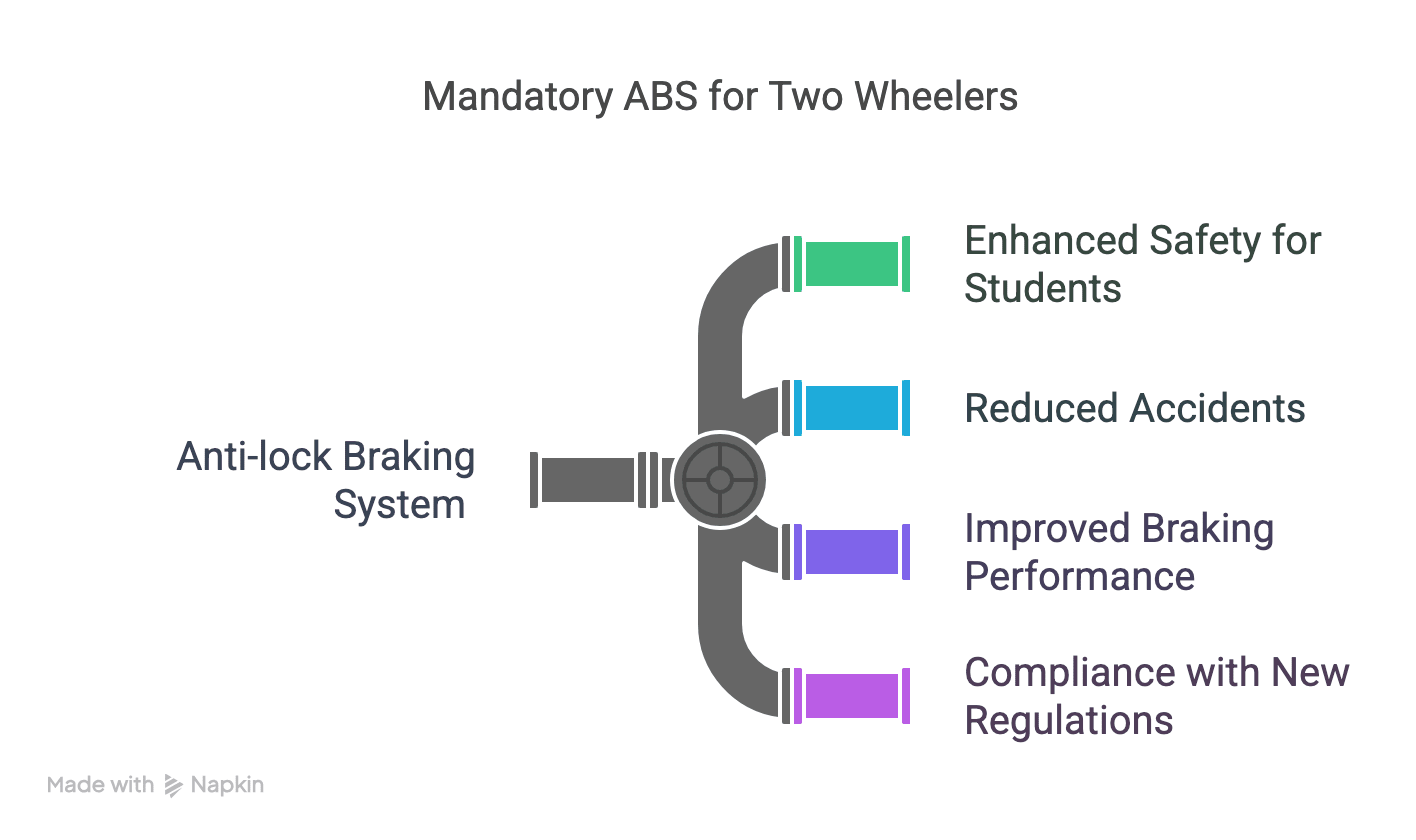
The Indian road transport ministry has announced new safety regulations that will significantly affect young riders. Starting January 2026, Anti-lock Braking System (ABS) will be mandatory for all new scooties, bikes and motorcycles, regardless of engine capacity. In addition, manufacturers and dealers must provide two BIS-certified helmets with every two-wheeler sale.
ABS extended to every new two-wheeler
Currently, ABS is mandatory only for two-wheelers above 125cc, which leaves nearly 45% of bikes and motorcycles without this important safety feature. The new regulation closes the gap completely, so every new vehicle, from 50cc scooters to high-performance bikes, will come with ABS.
This matters especially for students, who often prefer smaller, budget-friendly scooters and entry-level motorcycles for college commuting. Almost all two-wheelers can reach 70 kmph, so ABS is essential for preventing crashes during emergency braking.
Why this matters for young riders
Two-wheeler occupants account for 44% of all road deaths in India, and most of these fatalities are caused by head injuries from not wearing proper safety gear. For students aged 19-25, who make up a significant share of two-wheeler users, these statistics are particularly alarming.
ABS prevents wheel lock-up during sudden braking, which improves control and reduces stopping distances, especially on the monsoon-wet roads common across Indian cities. Studies show ABS can reduce road crashes by 35-45%, a substantial safety improvement for daily commuters.
The two-helmet policy
The requirement of two BIS-certified helmets addresses passenger safety directly. Previously, only one helmet was required with a new vehicle purchase. The change is important for students who often share rides with friends, roommates or partners.
The policy aims to build safe helmet-wearing habits among young riders, making passenger protection as important as rider safety.
Economic considerations
These regulations may increase vehicle costs, but the long-term benefits are reduced medical expenses, lower insurance claims and, most importantly, saved lives. They far outweigh the initial investment. For engineering students, the changes also create new career opportunities in automotive safety technology development and testing.
The notifications for both regulations will be released soon, which marks a historic step toward safer Indian roads.