Introduction
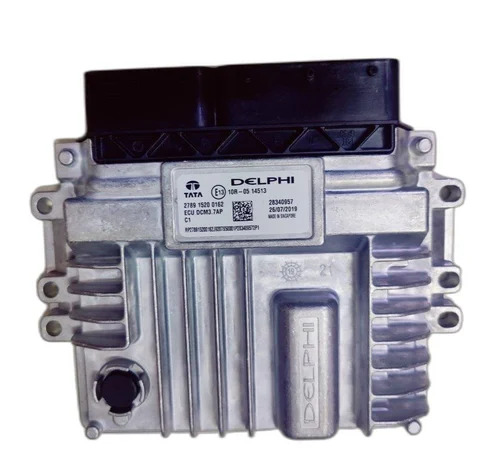
In the realm of automotive performance, ECU (Engine Control Unit) tuning stands as a pivotal method for optimizing engine behavior. Central to this process is the meticulous management of the Air-Fuel Ratio (AFR), a critical parameter that dictates combustion efficiency, power output, fuel economy, and emissions. This comprehensive guide delves into the significance of AFR in ECU tuning, elucidating how precise adjustments can unlock an engine’s full potential while ensuring reliability and compliance with environmental standards.
Understanding Air-Fuel Ratio (AFR)
The Air-Fuel Ratio (AFR) represents the proportion of air to fuel in the combustion mixture within an internal combustion engine. For gasoline engines, the stoichiometric AFR—the ideal ratio for complete combustion—is approximately 14.7:1, meaning 14.7 parts air to 1 part fuel by mass. Deviations from this ratio result in either a rich mixture (more fuel, less air) or a lean mixture (more air, less fuel), each influencing engine performance and emissions differently.
AFR’s Impact on Engine Performance
1. Power Output
Adjusting AFR is instrumental in optimizing engine power. A slightly richer mixture (lower AFR) can enhance power output by ensuring more fuel is available for combustion, which is particularly beneficial under high-load conditions. However, excessively rich mixtures can lead to incomplete combustion, reducing efficiency and increasing emissions.
2. Fuel Efficiency
Operating with a leaner mixture (higher AFR) can improve fuel economy by reducing fuel consumption. Yet, running too lean may cause engine knocking and elevated combustion temperatures, potentially damaging engine components. Therefore, balancing AFR is crucial for optimal fuel efficiency without compromising engine health.
3. Emissions Control
Maintaining the stoichiometric AFR is vital for effective operation of catalytic converters, which reduce harmful emissions. Deviations from this ratio can impair the converter’s efficiency, leading to increased emissions of pollutants like NOx, CO, and unburned hydrocarbons.
AFR Management in ECU Tuning
Modern ECUs utilize feedback from oxygen sensors to adjust AFR in real-time, a process known as closed-loop control. During ECU tuning, professionals modify fuel maps and other parameters to achieve desired AFR targets under various operating conditions.
1. Closed-Loop vs. Open-Loop Operation
- Closed-Loop: The ECU continuously adjusts fuel delivery based on sensor feedback to maintain the target AFR.
- Open-Loop: Under certain conditions (e.g., full throttle), the ECU operates without sensor feedback, relying on pre-set fuel maps.
Tuning involves optimizing both modes to ensure consistent performance and efficiency.
2. Fuel Mapping
Fuel maps dictate the amount of fuel injected at various engine speeds and loads. By adjusting these maps, tuners can achieve optimal AFRs tailored to specific performance goals, whether it’s maximizing power, improving fuel economy, or reducing emissions.
Tools for AFR Monitoring and Adjustment
Accurate AFR tuning necessitates precise measurement tools:
- Wideband Oxygen Sensors: Provide real-time AFR data across a broad range, essential for detailed tuning.
- Dynamometers (Dynos): Allow for controlled testing of engine performance under various loads, facilitating accurate AFR adjustments.
- Data Logging Software: Enables recording and analysis of AFR and other engine parameters during operation.
Best Practices in AFR Tuning
1. Establish Baseline Measurements: Before making adjustments, record current AFR readings under various operating conditions to identify areas for improvement.
2.Incremental Adjustments: Make small, systematic changes to fuel maps, observing the effects on AFR and engine performance.
3.Monitor Engine Response: Continuously assess engine behavior, including power output, throttle response, and exhaust emissions, to ensure tuning objectives are met.
4.Ensure Regulatory Compliance: Verify that AFR adjustments do not lead to emissions levels exceeding legal limits.
Conclusion
The Air-Fuel Ratio is a cornerstone of effective ECU tuning, directly influencing engine performance, efficiency, and emissions. Through meticulous AFR management, tuners can unlock enhanced power and responsiveness while maintaining fuel economy and environmental compliance. Employing precise measurement tools and adhering to best practices ensures that AFR tuning contributes positively to overall vehicle performance.
📺 Watch a real battery testing demo here: Reynlab YouTube Channel
🌐 Explore our automotive training programs: www.reynlab.com/our-courses