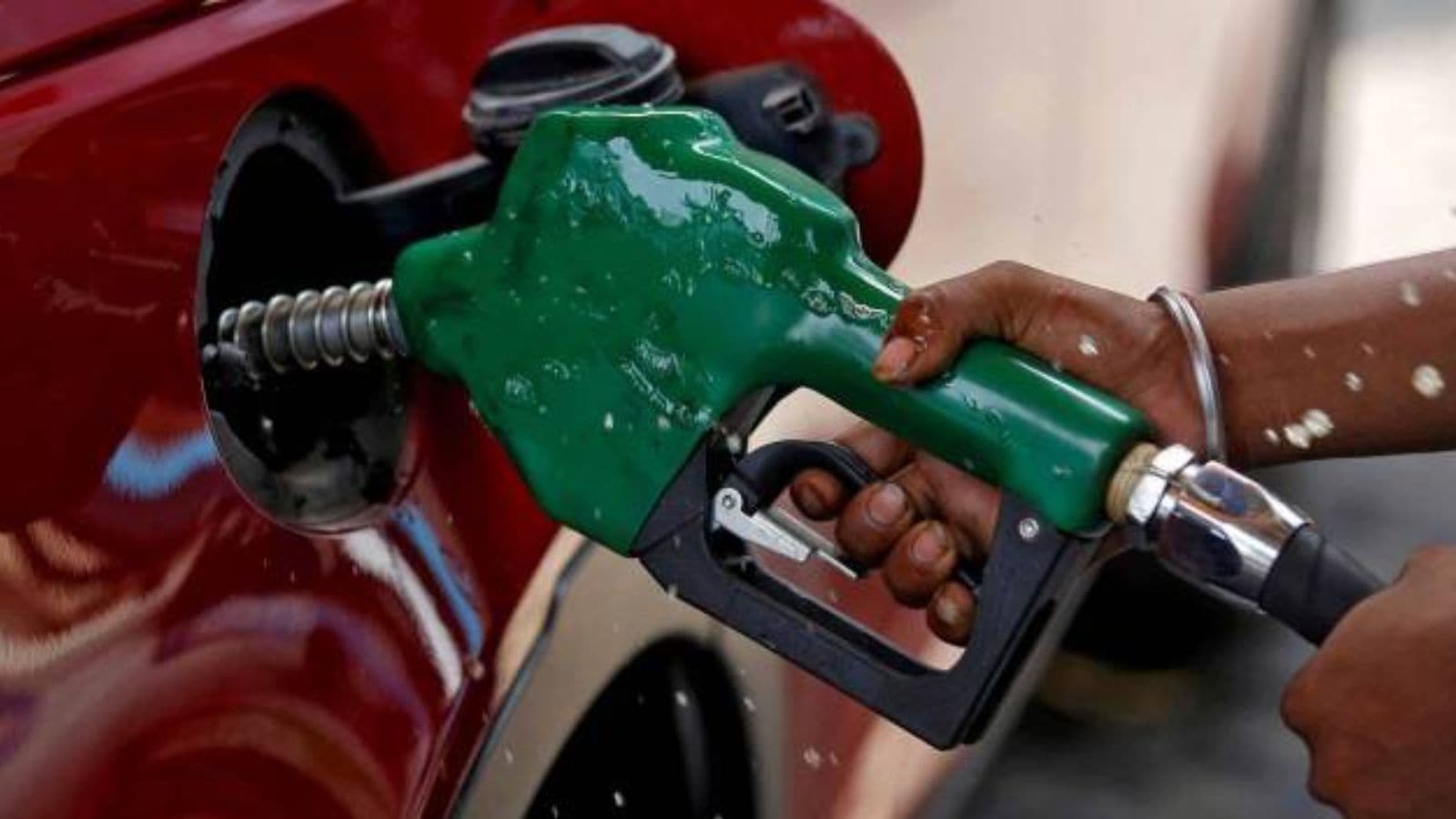
India is moving steadily toward higher ethanol blends in petrol—E10 is already widespread, and E20 is rolling out across major cities. For newer vehicles, manufacturers have adapted engines and control systems to handle this shift. But for older petrol cars and bikes, especially pre-2018 models, the story is different.
If you rely on your vehicle for daily work—whether you’re a technician, delivery rider, small business owner, or fleet operator—the change in fuel composition can affect performance, mileage, and long-term reliability.
The good news? You don’t necessarily need to replace your vehicle.
A practical and increasingly popular solution is upgrading to an aftermarket ECU—or recalibrating your existing one—to match E20 fuel.
Let’s break down how this works, what it costs, and why it makes sense in the Indian context.
🇮🇳 Why E20 Fuel Is Changing the Game
E20 fuel contains 20% ethanol and 80% petrol. Compared to pure petrol, ethanol:
- Has lower energy density
- Contains oxygen (affects combustion)
- Burns differently
- Can be more corrosive to certain materials
For older vehicles, this leads to a mismatch between:
- Engine design (built for petrol)
- Fuel properties (now ethanol-blended)
This mismatch shows up as real-world issues.
🚗 Common Problems in Older Vehicles Running on E20
If you’ve noticed changes in your vehicle recently, ethanol blending could be one reason.
- Lean Running Condition
Ethanol requires more fuel for proper combustion. Without adjustment:
- Engine runs lean
- Temperature increases
- Risk of knocking rises
- Drop in Mileage
Because ethanol has less energy:
- Fuel efficiency decreases
- More frequent refueling
- Cold Start Issues
Especially in early morning:
- Hard starts
- Longer cranking
- Fuel System Stress
Older components may not be ethanol-compatible:
- Rubber hoses degrade
- Injectors clog
- Corrosion in lines
- Reduced Engine Life (Long-Term)
Continuous improper combustion leads to:
- Wear and tear
- Reduced reliability
⚙️ The Root Cause: Calibration Mismatch
Most older ECUs are programmed for petrol—not ethanol blends.
That means:
- Air-Fuel Ratio (AFR) is incorrect
- Ignition timing is not optimized
- Fuel delivery is insufficient
👉 The engine is not failing—the calibration is outdated.
🔧 The Practical Solution: Aftermarket ECUs
Instead of changing your entire vehicle, you can upgrade how your engine is controlled.
An aftermarket ECU replaces or supplements the stock ECU and allows full control over engine parameters.
🧠 What an Aftermarket ECU Does
It gives you the ability to:
- Adjust fuel injection precisely
- Tune ignition timing
- Modify AFR for ethanol blends
- Monitor engine parameters in real time
In simple terms:
It allows your engine to adapt to E20 fuel properly
🔍 How It Solves E20 Problems
✔ Corrects Air-Fuel Ratio
Ethanol needs richer mixtures.
Aftermarket ECU ensures:
- Proper combustion
- Reduced knocking
- Better engine stability
✔ Optimizes Ignition Timing
Because ethanol burns differently:
- Timing adjustments prevent engine stress
- Improves performance and efficiency
✔ Improves Driveability
You’ll notice:
- Smoother acceleration
- Stable idling
- Better throttle response
✔ Protects Engine Health
Instead of running inefficiently:
- Engine operates within safe limits
- Long-term reliability improves
💰 Cost vs Buying a New Car (India Perspective)
Let’s talk numbers—because this matters.
Option 1: Buy a New E20-Compatible Car
- ₹6–12 lakh (entry-level to mid-range)
- Depreciation
- Insurance + taxes
Option 2: Aftermarket ECU Setup
Typical costs in India:
- Basic ECU tuning: ₹10,000 – ₹25,000
- Advanced aftermarket ECU: ₹30,000 – ₹80,000
- Professional tuning + setup: additional ₹10,000 – ₹30,000
💡 Conclusion:
Upgrading your ECU costs less than 5–10% of a new car
For many users, especially those running older but well-maintained vehicles, this is a far more practical investment.
🚚 Why This Makes Sense for Fleet Owners
If you manage multiple vehicles:
- Delivery fleets
- Service vehicles
- Small logistics setups
Then E20 transition impacts you even more.
Benefits of ECU Upgrades for Fleets:
✔ Reduced long-term maintenance costs
✔ Better fuel efficiency optimization
✔ Consistent vehicle performance
✔ Extended vehicle lifespan
Instead of replacing entire fleets:
You can upgrade control systems and keep vehicles running efficiently
🛠 Real-World Example
Consider a 2014 petrol hatchback used for daily service work:
Without ECU calibration:
- Mileage drops
- Engine runs rough
- Maintenance increases
With proper ECU tuning:
- AFR corrected
- Engine runs smoother
- Fuel efficiency improves
👉 Same vehicle, different outcome—because of calibration.
⚠️ Important Considerations Before Upgrading
- Choose the Right ECU
Not all aftermarket ECUs are equal:
- Some are basic piggyback systems
- Some offer full standalone control
- Tuning Matters More Than Hardware
Even the best ECU is useless without proper tuning.
- Work with Skilled Professionals
Incorrect tuning can:
- Damage engine
- Reduce reliability
- Ensure Compatibility
Check:
- Sensors
- Wiring
- Fuel system condition
🔄 What About Just Remapping Stock ECU?
In some cases, yes:
- Mild adjustments can be done
But:
- Stock ECUs have limitations
- Aftermarket ECUs offer deeper control
🔋 Future Perspective: Why This Skill Matters
India’s automotive ecosystem is evolving toward:
- Higher ethanol blends
- Hybrid systems
- Electric vehicles
This means:
- Control systems are becoming more important than mechanical changes
Understanding ECUs today helps you:
- Adapt to fuel changes
- Work on modern vehicles
- Transition into EV diagnostics
👨🔧 For Young Professionals (18–35 in India)
If you’re:
- A student
- A technician
- An automotive enthusiast
This shift creates a huge opportunity.
The industry is moving from:
- “Replace parts”
To:
- “Understand systems and calibrate them”
Skills like:
- ECU tuning
- Diagnostics
- Fuel system analysis
are becoming highly valuable.
🧩 The Bigger Lesson
E20 fuel is not a problem.
It’s a change in system requirements.
And the solution is not replacing vehicles—it’s:
Upgrading how we understand and control them
⚡ Final Thought
Instead of asking:
“Should I buy a new car?”
A better question might be:
“Can I make my current vehicle smarter?”
Because with the right approach:
- Your existing vehicle can adapt
- Perform better
- Last longer
🎯 A Practical Next Step
If you’re serious about staying relevant in today’s automotive world—whether as a rider, mechanic, or technician—it’s worth going deeper into:
- ECU tuning
- Diagnostics
- Vehicle electronics
Not necessarily to modify vehicles aggressively,
but to understand how modern systems work and adapt to changes like E20 fuel.
The future of automotive isn’t just about new vehicles—
it’s about how well we understand and control the ones we already have.
📺 Watch a real battery testing demo here: Reynlab YouTube Channel
🌐 Explore our automotive training programs: www.reynlab.com/our-courses