Brake System Warning Light in Cars: Meaning, Causes & Fixes
· Automotive service technician
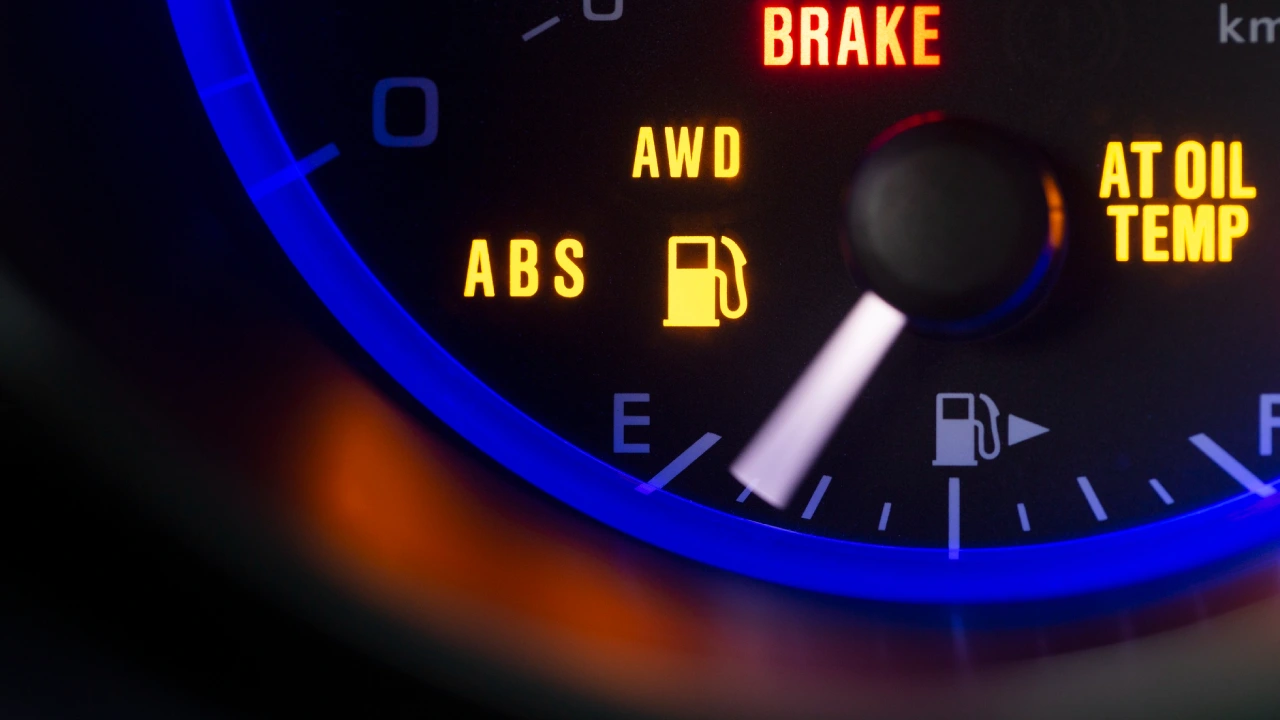
If a red brake warning light (a circle with “!” or the word “BRAKE”) glows on your dashboard, do not ignore it. It relates directly to your car's ability to stop safely, and it means there may be a problem with your braking system.
What does the brake warning light mean?
The brake system warning light usually indicates one of two things: the parking brake is engaged, or the brake fluid level is low. Sensors in the braking system trigger the light when something is not right.
Why this warning is extremely important
Your braking system slows down your car, stops it safely and helps prevent accidents. If there is a problem, you may lose braking performance, or in the worst case complete braking ability.
Related brake warning lights
A few similar warnings are worth knowing, and each points to a different part of the braking system:
- Brake system warning light (red): parking brake on, or low fluid.
- ABS warning light (yellow): a fault in the anti-lock braking system.
- Brake pad warning light: the brake pads are worn out.
Why this happens more in India
Indian driving conditions increase brake wear. Heavy traffic, frequent braking, dust and heat, and poor road conditions all reduce brake life and fluid efficiency.
Common causes of the brake warning light
These are the most common real-world reasons:
- Parking brake engaged (most common): the handbrake is not fully released.
- Low brake fluid level: the fluid is below the minimum level, and there may be a leak.
- Brake fluid leak: a hydraulic system issue, and a serious safety concern.
- Worn brake pads: the pads are too thin, which reduces braking efficiency.
- ABS system fault: a sensor or module issue that affects braking stability.
Any of these can trigger the brake warning light.
Symptoms you might notice
- Soft or spongy brake pedal
- Reduced braking power
- Longer stopping distance
- Brake noise
- Warning light on
Can you drive with the brake warning light on?
It is not recommended and can be dangerous. If the light is only because of the parking brake, it is safe to drive once you release it. If the cause is fluid or a system issue, it is unsafe, and the risk is brake failure and loss of control.
What should you do immediately?
Follow this emergency checklist:
- Check the parking brake. Make sure it is fully released.
- Check the brake fluid level. Look at the reservoir and top up if it is low.
- Inspect for leaks. Check under the car.
- Test the brakes carefully. Make sure they respond properly.
- Avoid driving if the problem persists. Safety comes first.
- Visit a mechanic immediately. A professional inspection is critical.
Cost of repair in India
Here is a rough estimate:
- Minor fixes: fluid top-up, ₹500 – ₹2,000.
- Medium repairs: brake pad replacement, ₹2,000 – ₹8,000.
- Major repairs: brake system repair, ₹10,000 – ₹50,000+.
How to prevent brake issues
Simple habits can save your life:
- Check brake fluid regularly and maintain proper levels.
- Replace brake pads on time to avoid excessive wear.
- Inspect brakes frequently, especially if you drive in heavy traffic.
- Get regular servicing to keep the system reliable.
Why understanding this matters today
Modern cars rely on hydraulic brake systems, ABS modules and sensor networks. The brake warning light is a critical safety alert, and understanding it helps you prevent accidents, maintain braking performance and stay safe on the road.
From driver to smart automotive enthusiast
Most drivers ignore brake warnings or react too late. Informed drivers check immediately, fix early and drive safely. That is a huge difference.
Build real automotive skills
If you are curious about braking systems, this is a good starting point. Learning brake system diagnostics, fluid system maintenance and ABS troubleshooting can change your confidence completely. You move from “Brake light is on” to “I know what is affecting my braking system.”
Final thoughts
The brake system warning light is one of the most important alerts in your car. Ignoring it can lead to brake failure, cause accidents and put lives at risk.
If you want to understand critical systems like braking, ABS and vehicle safety diagnostics in depth, structured automotive learning, especially in vehicle electronics and system troubleshooting, can be a valuable next step. It is a practical way to become a more confident and capable driver who understands how your vehicle keeps you safe.
Watch our workshop videos on the Reynlab YouTube Channel, and explore our automotive training programs at www.reynlab.com/our-courses.
More posts for automotive technicians
For course on ECM repair and Automotive Technician.