If your dashboard shows a “Check Fuel Fill Inlet” warning, it might seem minor—but it’s actually related to your car’s fuel system and emissions control.
Most drivers ignore it… until it turns into a bigger problem.
Here’s the simple truth:
👉 There’s likely an issue with your fuel cap, inlet, or EVAP system.
What Does “Check Fuel Fill Inlet” Mean?
The fuel fill inlet warning indicates a problem with your vehicle’s:
👉 Fuel cap, inlet pipe, or EVAP (Evaporative Emission Control) system
This system:
- Prevents fuel vapors from escaping
- Maintains proper pressure inside the fuel tank
If something isn’t sealed properly:
👉 The warning light appears
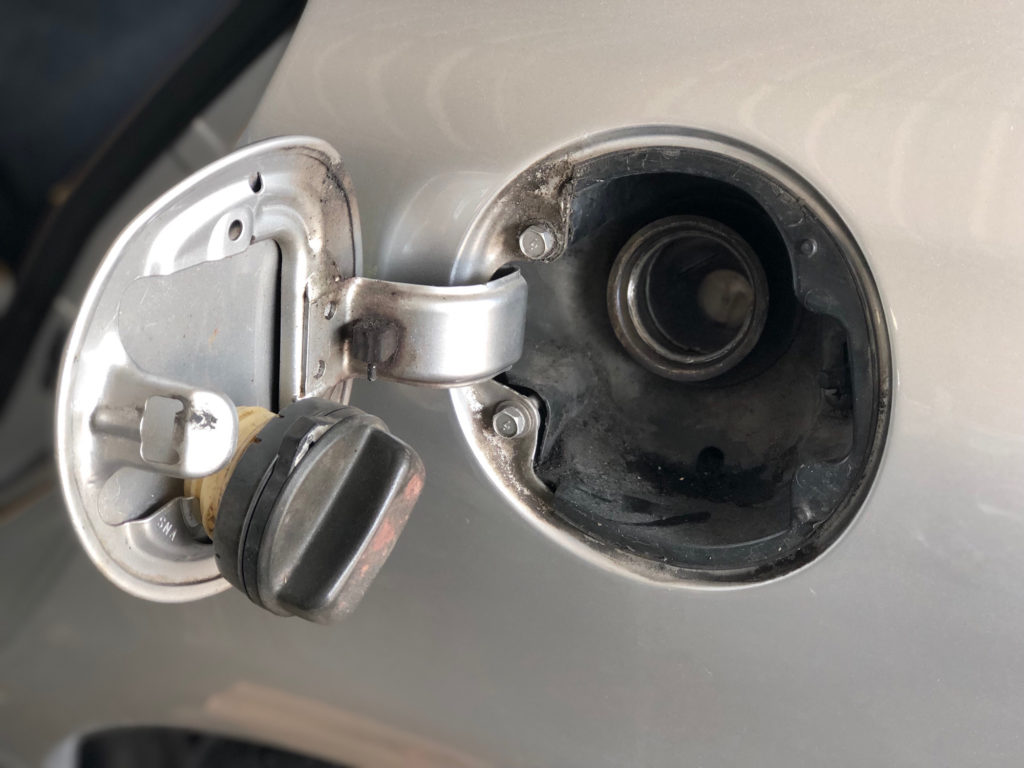
What Is a Fuel Fill Inlet?
The fuel fill inlet is where you refuel your car.
It includes:
- Fuel cap (or capless system)
- Inlet pipe
- Sealing components
👉 It’s the entry point for fuel into the tank
Why This Warning Matters in India
Indian conditions can increase fuel system issues:
- Dust and dirt entering inlet
- Frequent refueling in busy stations
- Heat affecting seals and caps
Ignoring this warning can lead to:
👉 Fuel vapor leaks and reduced efficiency
Common Causes of “Check Fuel Fill Inlet” Warning
Let’s break down the most common real-world reasons:
- Loose or Missing Fuel Cap (Most Common)
- Cap not tightened properly
- Cap left off after refueling
- Damaged Fuel Cap
- Cracks or worn seals
- Cannot maintain pressure
- Dirt or Debris in Inlet
- Dust blocking proper sealing
- Common in Indian conditions
- Capless Fuel System Issue
- Inlet flap not closing properly
- Internal mechanism fault
- EVAP System Leak
- Vapor leakage in system
- Environmental and performance issue
All these issues can trigger the fuel fill inlet warning.
Symptoms You Might Notice
- Fuel smell around vehicle
- Check engine light (in some cases)
- Reduced fuel efficiency
- Warning message on dashboard
Can You Drive With This Warning?
👉 Yes—but not recommended to ignore.
- Car will run normally
- But system may have leaks
Ignoring it can lead to:
- Increased emissions
- Fuel loss over time
- Bigger repair costs
What Should You Do When This Warning Appears?
Follow this simple checklist:
Step 1: Check Fuel Cap
- Tighten properly
- Listen for “click” sound
Step 2: Remove & Reinstall Cap
Ensures proper sealing.
Step 3: Inspect for Damage
Look for cracks or worn rubber seal.
Step 4: Clean the Inlet Area
Remove dirt and debris.
Step 5: Restart the Vehicle
Warning may reset after a few drives.
Step 6: Visit a Mechanic
If warning persists
Cost of Repair in India
Here’s a rough estimate:
Minor Fixes:
- Fuel cap replacement: ₹500 – ₹2,000
Medium Repairs:
- Inlet cleaning/repair: ₹1,000 – ₹5,000
Major Repairs:
- EVAP system repair: ₹5,000 – ₹20,000+
How to Prevent This Issue
Simple habits can help:
✔ Always Tighten Fuel Cap
Ensure proper sealing.
✔ Keep Inlet Clean
Avoid dirt buildup.
✔ Inspect Cap Regularly
Replace if damaged.
✔ Avoid Overfilling Fuel
Prevents system stress.
Why Understanding This Matters Today
Modern cars use:
- EVAP systems
- Sensors
- ECU monitoring
This warning is:
👉 An emissions + fuel system alert
Understanding it helps you:
- Prevent fuel loss
- Maintain efficiency
- Avoid larger repairs
From Driver to Smart Automotive Enthusiast
Most drivers:
- Ignore this warning
- Assume it’s minor
But informed drivers:
- Check fuel cap immediately
- Fix issues early
- Maintain system health
That’s the difference.
A Subtle Upgrade: Build Real Automotive Skills
If you’re curious about fuel systems and emissions control, this is a great starting point.
Learning skills like:
- EVAP system diagnostics
- Fuel system maintenance
- Sensor troubleshooting
…can completely change your understanding.
You move from:
👉 “What is this warning?”
to
👉 “I know exactly what to check.”
Final Thoughts
The “Check Fuel Fill Inlet” warning may seem small—but it shouldn’t be ignored.
It usually means:
👉 Your fuel system isn’t sealed properly.
Ignoring it can:
- Waste fuel
- Increase emissions
- Lead to bigger issues later
Soft CTA
If you’ve ever wanted to understand systems like EVAP, fuel management, and vehicle diagnostics in depth, exploring structured automotive learning—especially in vehicle electronics and system troubleshooting—can be a valuable next step. It’s a practical way to become a more confident and capable driver who truly understands how your vehicle works.
 Watch a real battery testing demo here: Reynlab YouTube Channel
 Explore our automotive training programs: www.reynlab.com/our-courses