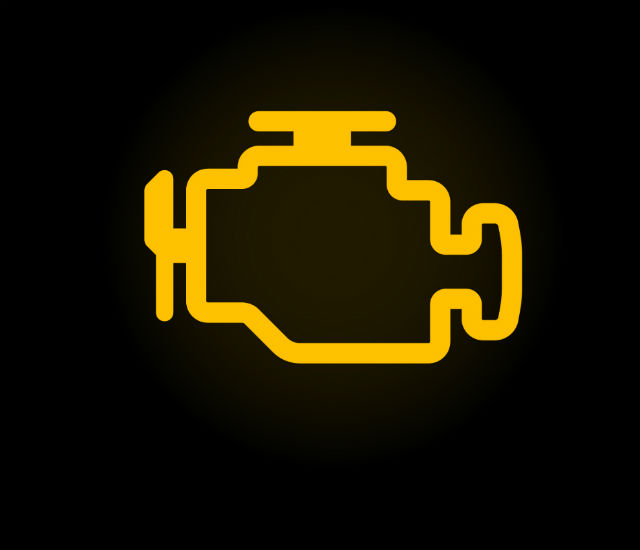
If you see a thermometer icon over waves 🌡️ or a temperature warning message on your dashboard, don’t ignore it—even for a second.
This is one of the most dangerous warning lights in your car.
Here’s the simple truth:
👉 Your engine is overheating.
What Does the Engine Temperature Warning Light Mean?
The engine temperature warning light indicates that:
👉 Your engine coolant temperature is too high
In simple terms:
👉 The engine is overheating and running beyond safe limits
This warning may appear as:
- Thermometer symbol
- Temperature gauge rising
- Warning message on screen
Why This Warning Is Extremely Serious
Engines operate within a specific temperature range:
👉 Normal: ~90°C to 105°C (approx. 195°F–225°F)
If temperature exceeds this:
- Engine components expand
- Lubrication fails
- Damage begins quickly
Ignoring it can lead to:
- Blown head gasket
- Cracked engine block
- Complete engine failure
Why This Happens More in India
Indian driving conditions increase overheating risks:
- Heavy traffic (stop-and-go driving)
- High ambient temperatures
- Long idling periods
- Dust blocking airflow
Common Causes of Engine Overheating
Let’s break down the most common real-world reasons:
- Low Coolant Level (Most Common)
- Coolant leak
- Not topped up regularly
- Faulty Thermostat
- Stuck closed
- Coolant cannot circulate
- Water Pump Failure
- Coolant not circulating
- Rapid overheating
- Radiator Issues
- Blocked or damaged radiator
- Poor heat dissipation
- Cooling Fan Failure
- No airflow during idle
- Engine heats up quickly
- Internal Engine Problems
- Blown head gasket
- Cracked cylinder head or block
All these issues can trigger the temperature warning light.
Symptoms You Might Notice
- Rising temperature gauge
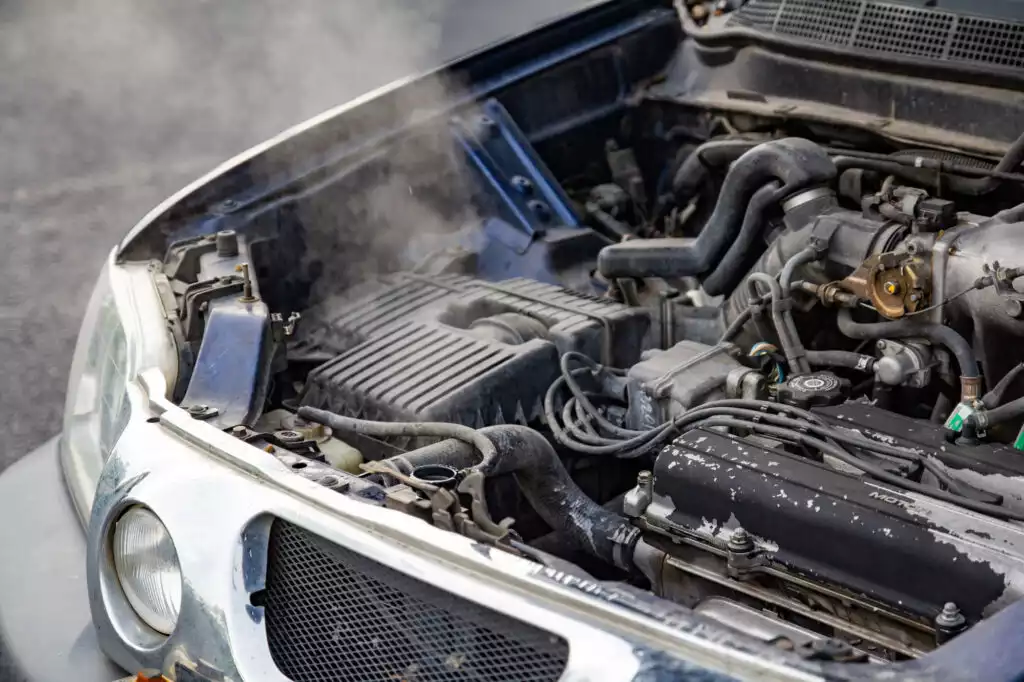
- Steam from engine bay
- Burning smell
- Reduced engine performance
- Coolant leakage
Can You Drive With Temperature Light ON?
👉 NO—stop immediately.
Driving with an overheating engine can:
- Destroy engine components within minutes
- Lead to very costly repairs
👉 Best action:
Pull over safely and switch OFF the engine
What Should You Do Immediately?
Follow this emergency checklist:
Step 1: Stop the Vehicle Safely
Pull over immediately.
Step 2: Turn OFF Engine
Prevent further damage.
Step 3: Do NOT Open Radiator Cap Immediately
- Hot coolant can cause burns
- Wait for engine to cool
Step 4: Check Coolant Level (After Cooling)
Top up if low.
Step 5: Call for Assistance
If issue is not clear.
Step 6: Tow to Mechanic
Avoid driving further
Cost of Repair in India
Here’s a rough estimate:
Minor Fixes:
- Coolant top-up: ₹500 – ₹2,000
Medium Repairs:
- Thermostat replacement: ₹2,000 – ₹8,000
- Radiator repair: ₹5,000 – ₹15,000
Major Repairs:
- Water pump replacement: ₹5,000 – ₹20,000
- Engine repair: ₹50,000 – ₹2,00,000+
How to Prevent Overheating
Simple habits can save your engine:
✔ Check Coolant Regularly
Maintain proper levels
✔ Inspect Cooling System
Hoses, radiator, fan
✔ Avoid Long Idling
Reduces heat buildup
✔ Service Vehicle Regularly
Prevent system failures
Why Understanding This Matters Today
Modern engines rely on:
- Cooling systems
- Sensors
- ECU monitoring
The temperature warning light is:
👉 A critical engine protection alert
Understanding it helps you:
- Prevent engine damage
- Save huge repair costs
- Maintain vehicle performance
From Driver to Smart Automotive Enthusiast
Most drivers:
- Ignore temperature rise
- React too late
But informed drivers:
- Act immediately
- Prevent major damage
- Protect engine health
That’s a huge difference.
A Subtle Upgrade: Build Real Automotive Skills
If you’re curious about engine cooling systems, this is a great starting point.
Learning skills like:
- Cooling system diagnostics
- Engine temperature management
- ECU monitoring
…can completely change your understanding.
You move from:
👉 “Engine overheated suddenly”
to
👉 “I know how to prevent it.”
Final Thoughts
The engine temperature warning light is one of the most critical alerts in your car.
Ignoring it can:
- Destroy your engine
- Lead to massive repair costs
- Leave you stranded
Soft CTA
If you’ve ever wanted to understand engine systems, cooling mechanisms, and automotive diagnostics in depth, exploring structured automotive learning—especially in ECU systems and vehicle maintenance—can be a valuable next step. It’s a practical way to become a more confident and capable driver who truly understands how your machine works.
 Watch a real battery testing demo here: Reynlab YouTube Channel
 Explore our automotive training programs: www.reynlab.com/our-courses