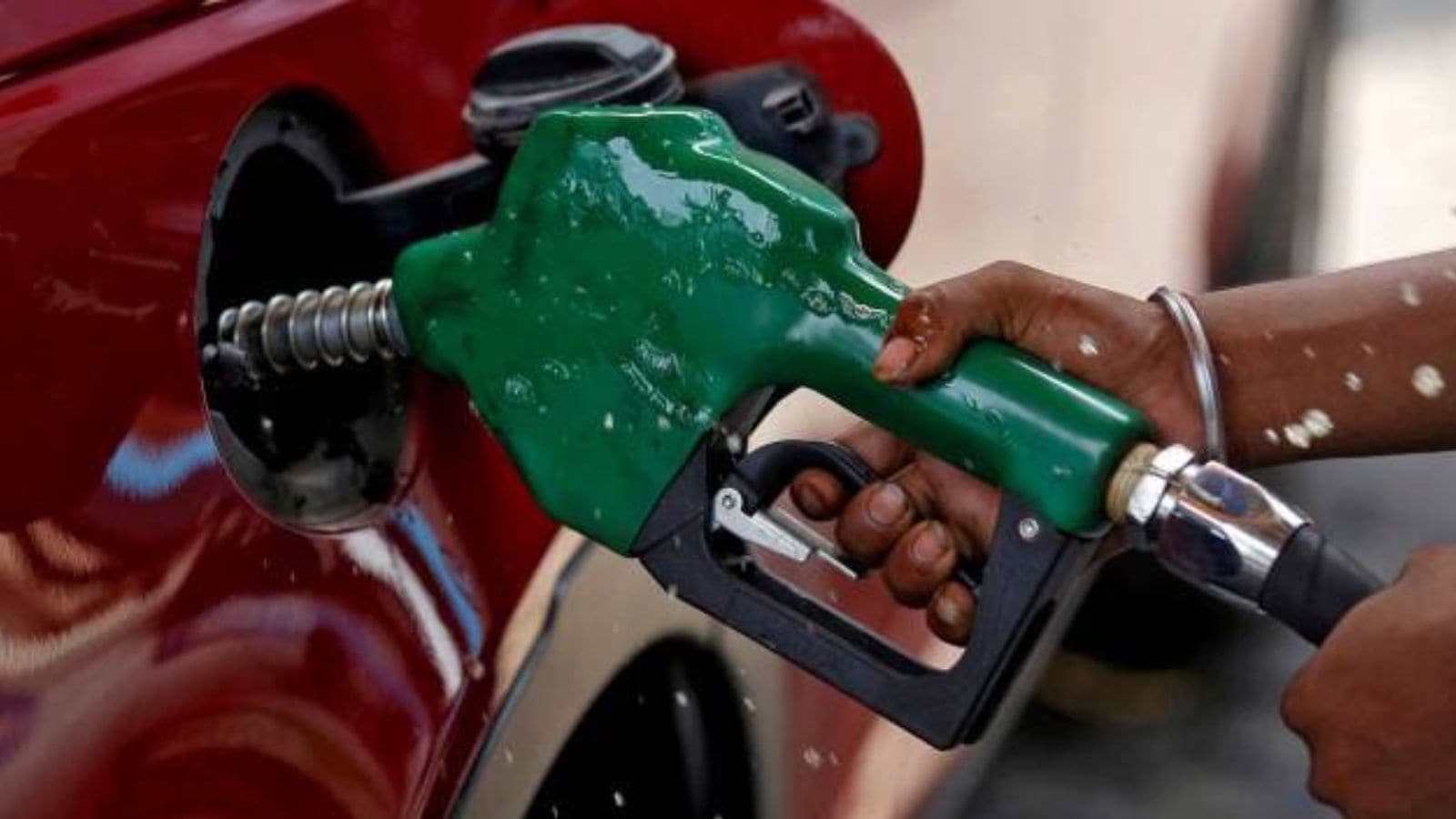
India’s fuel landscape is changing fast. With the government pushing ethanol blending (E10 already common, E20 rolling out across cities), most newer vehicles are being designed to handle it. But if you own or maintain an older petrol car or bike—especially pre-2015 models—the story is different.
For many professionals who rely on their vehicles daily—service technicians, field engineers, delivery riders, small business owners—this shift can quietly affect performance, reliability, and long-term engine health.
The key question isn’t just “Is ethanol bad for my car?”
It’s “Is my vehicle calibrated to run on ethanol-blended fuel?”
Let’s break it down in a practical, India-specific way.
🇮🇳 Why Ethanol Blending Is Increasing in India
Ethanol blending is part of India’s push to:
- Reduce crude oil imports
- Lower emissions
- Support agricultural economy
Common blends:
- E10 → 10% ethanol + 90% petrol
- E20 → 20% ethanol + 80% petrol
While this is beneficial at a national level, it introduces technical challenges for older vehicles that weren’t designed for it.
⚙️ How Ethanol Changes Fuel Behavior
Ethanol is not just “another fuel”—it behaves differently from petrol.
Key differences:
- Contains oxygen → changes combustion
- Lower energy density → less power per litre
- Absorbs moisture → can affect fuel system
- Higher corrosion potential → affects components
These differences directly impact how your engine runs.
🚗 What Happens in Older Cars (Real-World Effects)
Older vehicles (especially carbureted or early EFI systems) are calibrated for pure petrol—not ethanol blends.
Here’s what you might notice:
- Lean Air-Fuel Mixture
Ethanol contains oxygen, which means the engine runs leaner than intended.
Symptoms:
- Engine knocking
- Rough idling
- Increased engine temperature
- Drop in Fuel Efficiency
Because ethanol has lower energy content:
- You may see reduced mileage
- Frequent refueling becomes common
- Cold Start Problems
Ethanol evaporates differently than petrol.
Result:
- Hard starting in mornings
- Longer cranking time
- Fuel System Wear
Older vehicles often use materials not designed for ethanol.
Issues:
- Rubber hose degradation
- Injector deposits
- Corrosion in fuel lines
- Reduced Engine Life (Long-Term)
If left uncorrected:
- Continuous lean running
- Increased heat
- Improper combustion
👉 This can gradually reduce engine lifespan.
🔧 Why This Happens: The Calibration Gap
The root problem is not ethanol itself—it’s mismatch between fuel and calibration.
Older ECUs (or carburetor systems) are designed for:
- Specific fuel-air ratios
- Specific combustion behavior
When ethanol-blended fuel is used:
- The ECU does not fully compensate
- The engine operates outside optimal conditions
This is where most issues begin.
🧠 The Real Fix: ECU Calibration (Remapping)
Instead of blaming fuel, the smarter solution is:
Adjust the engine to match the fuel—not the other way around.
This is done through ECU calibration (remapping).
⚙️ What ECU Calibration Actually Does
ECU calibration modifies how your engine responds to fuel.
It adjusts:
- Air-Fuel Ratio (AFR)
- Ignition timing
- Fuel injection duration
🔍 How It Solves Ethanol-Related Issues
- Corrects Air-Fuel Ratio
Ethanol requires slightly richer mixtures.
Calibration ensures:
- Proper combustion
- Reduced knocking
- Better engine smoothness
- Adjusts Ignition Timing
Ethanol burns differently.
Proper tuning:
- Prevents knocking
- Improves efficiency
- Protects engine components
- Improves Driveability
With correct calibration:
- Smooth acceleration
- Better throttle response
- Stable idling
- Protects Engine Health
Instead of running lean and hot:
- Engine operates within safe limits
- Long-term wear is reduced
⚠️ Important: Not All Vehicles Need Full Remap
Let’s be clear.
- Newer BS6 vehicles → already optimized for ethanol blends
- Older vehicles → may need calibration adjustment
For professionals using older vehicles daily, even small inefficiencies can:
- Increase running cost
- Reduce reliability
- Affect work productivity
🛠 Practical Advice for Vehicle Owners (India-Specific)
If you own or maintain an older petrol vehicle:
✔ Do this:
- Use good quality fuel stations
- Regularly check spark plugs
- Inspect fuel lines and hoses
- Monitor mileage and engine behavior
✔ Consider:
- ECU health check
- Basic diagnostic scan
- Calibration adjustments if needed
❌ Avoid:
- Blind modifications
- Cheap tuning without understanding
- Ignoring early symptoms
🔄 What About Carburetor Vehicles?
For carbureted engines:
- No ECU = no automatic adjustment
Solution:
- Manual tuning (jetting adjustments)
- Regular maintenance becomes critical
🔋 Ethanol & the Future: Why This Knowledge Matters
India is moving toward:
- Higher ethanol blends (E20 and beyond)
- Hybrid and electric vehicles
This means:
👉 Understanding fuel behavior + control systems is becoming essential
👉 Not just for engineers—but also for technicians and enthusiasts
👨🔧 For Professionals & Young Learners (18–35 in India)
If you’re:
- A technician
- A student
- A workshop owner
- A rider interested in performance
This shift creates an opportunity.
The industry is evolving from:
- Mechanical-only knowledge
To:
- Electronics + diagnostics + calibration
Skills like:
- ECU tuning
- Diagnostics
- Fuel system understanding
are becoming increasingly valuable.
🧩 The Bigger Picture: Control Over Guesswork
Traditionally, many issues were handled by:
- Trial and error
- Part replacement
But today:
- Vehicles are data-driven
- Problems require analysis, not guesswork
Ethanol blending is a perfect example:
It’s not a “problem”—it’s a system mismatch
And solving it requires:
- Understanding
- Calibration
- Technical thinking
⚡ Final Thought
Ethanol-blended fuel is not going away—it’s only increasing.
The real question is:
Will your vehicle adapt to it—or will it struggle with it?
For older cars, the answer lies in:
- Proper maintenance
- Correct calibration
- Understanding how systems work
🎯 A Practical Next Step
If you want to stay ahead—whether as a vehicle owner, technician, or enthusiast—the smartest move is to:
- Learn how modern fuel systems work
- Understand ECU behavior
- Get comfortable with diagnostics and calibration
Structured learning in areas like:
- ECU tuning
- Automotive diagnostics
- Electrical systems
can help you move from:
“Fixing problems” → to understanding and preventing them
In today’s automotive world, it’s not just about driving or repairing vehicles—
it’s about understanding how they think, adapt, and respond to change.
📺 Watch a real battery testing demo here: Reynlab YouTube Channel
🌐 Explore our automotive training programs: www.reynlab.com/our-courses