How to Clean Battery Terminals in Cars: Prevent Corrosion & No-Start Problems
· Automotive service technician
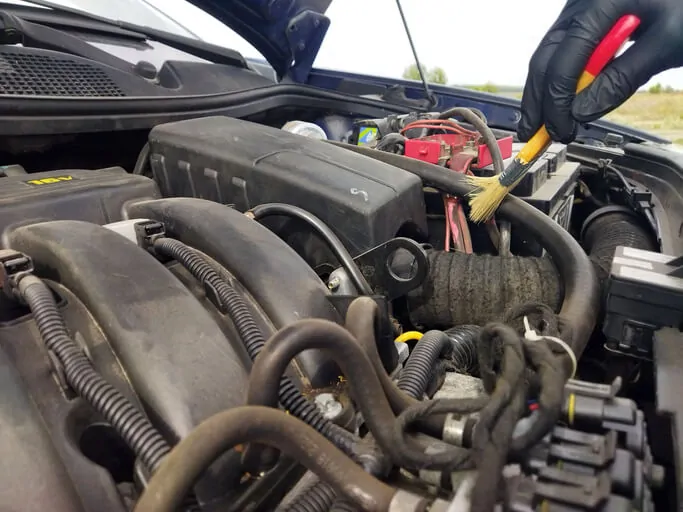
This guide explains how to clean battery terminals safely, what causes corrosion and how to prevent starting issues in Indian cars.
Introduction: why your car suddenly won't start
You turn the key and nothing happens. Maybe there is a weak crank, or just a click. Most people immediately blame the battery, but in many cases the real problem is much simpler: corroded battery terminals.
For young technicians and car owners in India (18–35 age group), learning how to clean battery terminals is one of the most important basic skills. It can save time and money and prevent unnecessary part replacement.
What causes battery terminal corrosion?
Before cleaning, it is important to understand why corrosion happens. Corrosion looks like white powder or blue or green deposits. The common causes are:
- Battery gas release. Hydrogen gas is released during charging.
- Electrolyte leakage. Acid escapes from the battery.
- Temperature changes. These cause condensation.
- Loose connections. Poor contact increases buildup.
The result is that corrosion blocks electrical flow, which leads to starting problems.
Symptoms of corroded battery terminals
Corrosion directly affects electrical performance. The common warning signs are:
- Car not starting. There is no crank or only a weak start.
- Battery light on the dashboard. This is a charging system warning.
- Electrical issues. Lights flicker and accessories do not work properly.
These symptoms can look like battery failure, but they may just be corrosion.
Step-by-step: how to clean battery terminals
Technicians follow a safe process.
- Turn off the vehicle. Make sure the engine and electronics are off.
- Disconnect the battery. Remove the negative (-) terminal first and the positive (+) terminal second.
- Inspect the terminals. Check for corrosion and look for loose or damaged cables.
- Apply a cleaning solution. Use baking soda and water, or a battery cleaning spray. This neutralizes the acid and removes deposits.
- Scrub the terminals. Use a wire brush or toothbrush and clean until the metal is visible.
- Rinse and dry. Wipe off the residue and make sure everything is completely dry.
- Reconnect the battery. Connect the positive (+) terminal first and the negative (-) terminal last.
The result is a strong electrical connection.
Best household solutions, and what to avoid
Safe options are baking soda mixed with water and mild cleaning tools. Avoid strong acids, bleach and excess water. The rule is to use gentle cleaning methods to protect components.
How to prevent corrosion
Cleaning is only half the job, and prevention is key. The prevention methods are:
- Apply dielectric grease to protect the terminals.
- Use anti-corrosion spray to prevent buildup.
- Install protective washers to reduce moisture contact.
- Ensure tight connections to prevent gas leakage.
Together these give long-lasting battery performance.
Why this problem is common in India
High temperatures, humidity, dust and pollution, and infrequent maintenance increase the corrosion risk, so battery terminals corrode faster.
Real-world example from an Indian workshop
A customer complained that the car was not starting, even though the battery had been replaced recently. A basic mechanic would suggest a new battery. A professional technician checks the terminals, finds corrosion and cleans the connections. The problem is solved instantly and the customer saves money.
Career opportunities for young technicians
Battery maintenance is a basic but critical skill. It is a common real-world issue, it builds electrical knowledge and it is an entry point to diagnostics. Career paths include electrical technician, mobile mechanic, workshop technician and automotive trainer. Strong basics lead to advanced skills.
The shift: smart diagnosis over guesswork
The automotive industry is evolving. The old approach was to replace the battery immediately. The new approach is to check connections first and diagnose properly, which saves time, money and effort.
Key takeaways
- Battery corrosion blocks electrical flow.
- It causes starting and electrical issues.
- Cleaning requires proper steps and safety.
- A baking soda solution works effectively.
- Prevention ensures long-term reliability.
Frequently asked questions
What causes battery corrosion?
Gas release, leakage, moisture and poor connections cause it.
How do I clean battery terminals?
Disconnect the battery, apply a cleaning solution, scrub, and reconnect properly.
Can corrosion cause no-start issues?
Yes, because it interrupts electrical flow.
What is the safest cleaning solution?
Baking soda mixed with water is the safest.
How to prevent corrosion?
Use grease and sprays, and keep the connections proper.
Final thoughts
Battery terminal maintenance might seem like a small task, but it plays a big role in keeping a vehicle reliable. Simple issues like corrosion can lead to starting problems or electrical faults that appear more serious than they actually are. For technicians and car owners alike, knowing how to identify and fix these basic issues builds confidence and prevents unnecessary repairs.
Over time, those who master these foundational skills and keep improving their knowledge of automotive systems are better equipped to handle more complex diagnostics and real-world challenges in the field.
Watch our workshop videos on the Reynlab YouTube Channel. Explore our automotive training programs at www.reynlab.com/our-courses.
More posts for automotive technicians
For course on Automotive Technician
Automotive Dispatcher Skills: What Every Young Professional Must Know
ADAS Calibration in India: Why It’s Now a Must-Have Skill for Modern Technicians
Ultimate Guide to the Truth About Ethanol Fuel and Engine Damage (2026)