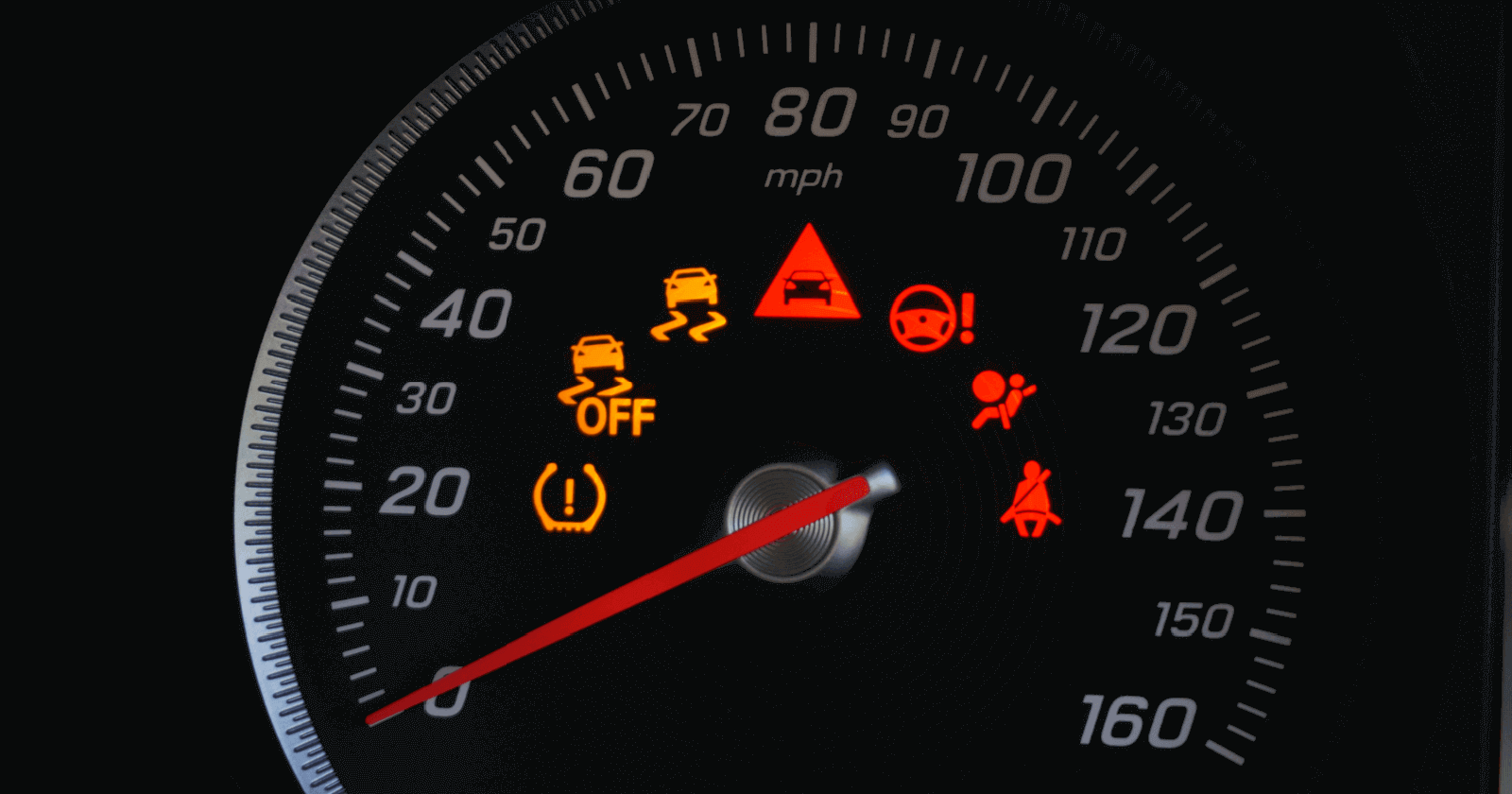
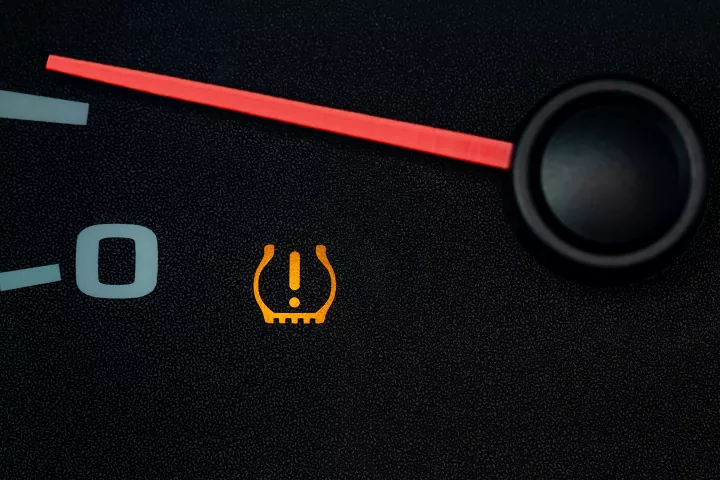
If you see a tire-shaped icon with an exclamation mark 🛞⚠️ glowing on your dashboard, that’s your TPMS (Tire Pressure Monitoring System) warning light.
It may seem minor—but it directly affects your safety, mileage, and handling.
Here’s the simple truth:
👉 One or more of your tires may have incorrect air pressure.
What Does the TPMS Warning Light Mean?
The TPMS light indicates:
👉 Low tire pressure or a system issue
It behaves in two ways:
- Steady light → One or more tires are underinflated
- Flashing light → Problem in TPMS system
This system continuously monitors tire pressure to keep your vehicle safe.
What Is TPMS?
TPMS (Tire Pressure Monitoring System) is a safety feature that:
- Detects tire pressure levels
- Alerts driver if pressure is too low
- Helps maintain optimal driving conditions
There are two types:
👉 Direct TPMS → Sensors inside each tire
👉 Indirect TPMS → Uses ABS wheel speed sensors
Why This Warning Matters in India
Indian road conditions can quickly affect tire pressure:
- Heat causes pressure changes
- Rough roads lead to slow leaks
- Heavy loads increase tire stress
Low tire pressure can cause:
👉 Poor handling, reduced braking, and higher fuel consumption
Common Causes of TPMS Light
Let’s break down the most common real-world reasons:
- Low Tire Pressure (Most Common)
- Air loss over time
- Temperature changes
- Puncture or Slow Leak
- Nail or damage in tire
- Gradual pressure drop
- Temperature Changes
- Cold mornings reduce pressure
- Light may go off after driving
- Faulty TPMS Sensor
- Sensor battery failure
- Incorrect readings
- TPMS System Error
- Module or communication issue
All these issues can trigger the TPMS warning light.
Symptoms You Might Notice
- Warning light ON
- Reduced fuel efficiency
- Poor handling
- Uneven tire wear
Can You Drive With TPMS Light ON?
👉 Yes—but not recommended for long.
- Car will drive normally
- But safety is reduced
👉 Risks:
- Tire damage
- Poor braking
- Increased fuel consumption
What Should You Do When TPMS Light Appears?
Follow this practical checklist:
Step 1: Check Tire Pressure
- Use pressure gauge
- Compare with recommended PSI
Step 2: Inflate Tires Properly
- Follow door sticker values
- Not tire sidewall
Step 3: Inspect for Damage
- Check for punctures or leaks
Step 4: Drive for a Few Minutes
Light may reset automatically
Step 5: Reset TPMS (if needed)
Some cars require manual reset
Step 6: Visit a Mechanic
If light keeps flashing
Cost of Repair in India
Here’s a rough estimate:
Minor Fixes:
- Air filling: ₹50 – ₹200
Medium Repairs:
- Puncture repair: ₹100 – ₹500
Major Repairs:
- TPMS sensor replacement: ₹2,000 – ₹8,000 per tire
How to Prevent TPMS Issues
Simple habits can help:
✔ Check Tire Pressure Monthly
Maintain correct levels
✔ Inspect Tires Regularly
Look for damage
✔ Avoid Overloading
Prevents pressure imbalance
✔ Service TPMS Sensors
Replace when needed
Why Understanding This Matters Today
Modern vehicles rely on:
- Sensors
- ECU systems
- Real-time monitoring
TPMS is:
👉 A critical safety and efficiency system
Understanding it helps you:
- Improve fuel efficiency
- Extend tire life
- Drive safely
From Driver to Smart Automotive Enthusiast
Most drivers:
- Ignore tire pressure warnings
- Drive until problems occur
But informed drivers:
- Check pressure regularly
- Fix issues early
- Maintain vehicle health
That’s the difference.
A Subtle Upgrade: Build Real Automotive Skills
If you’re curious about tire systems, sensors, and vehicle diagnostics, this is a great starting point.
Learning skills like:
- TPMS diagnostics
- Tire maintenance
- Sensor troubleshooting
…can completely change your understanding.
You move from:
👉 “Why is this light on?”
to
👉 “I know how to maintain tire health.”
Final Thoughts
The TPMS warning light is not just about air—it’s about safety, efficiency, and control.
Ignoring it can:
- Damage tires
- Reduce safety
- Increase fuel costs
Soft CTA
If you’ve ever wanted to understand systems like TPMS, sensors, and automotive diagnostics in depth, exploring structured automotive learning—especially in vehicle electronics and system troubleshooting—can be a valuable next step. It’s a practical way to become a more confident and capable driver who truly understands how your vehicle performs on the road.
 Watch a real battery testing demo here: Reynlab YouTube Channel
 Explore our automotive training programs: www.reynlab.com/our-courses