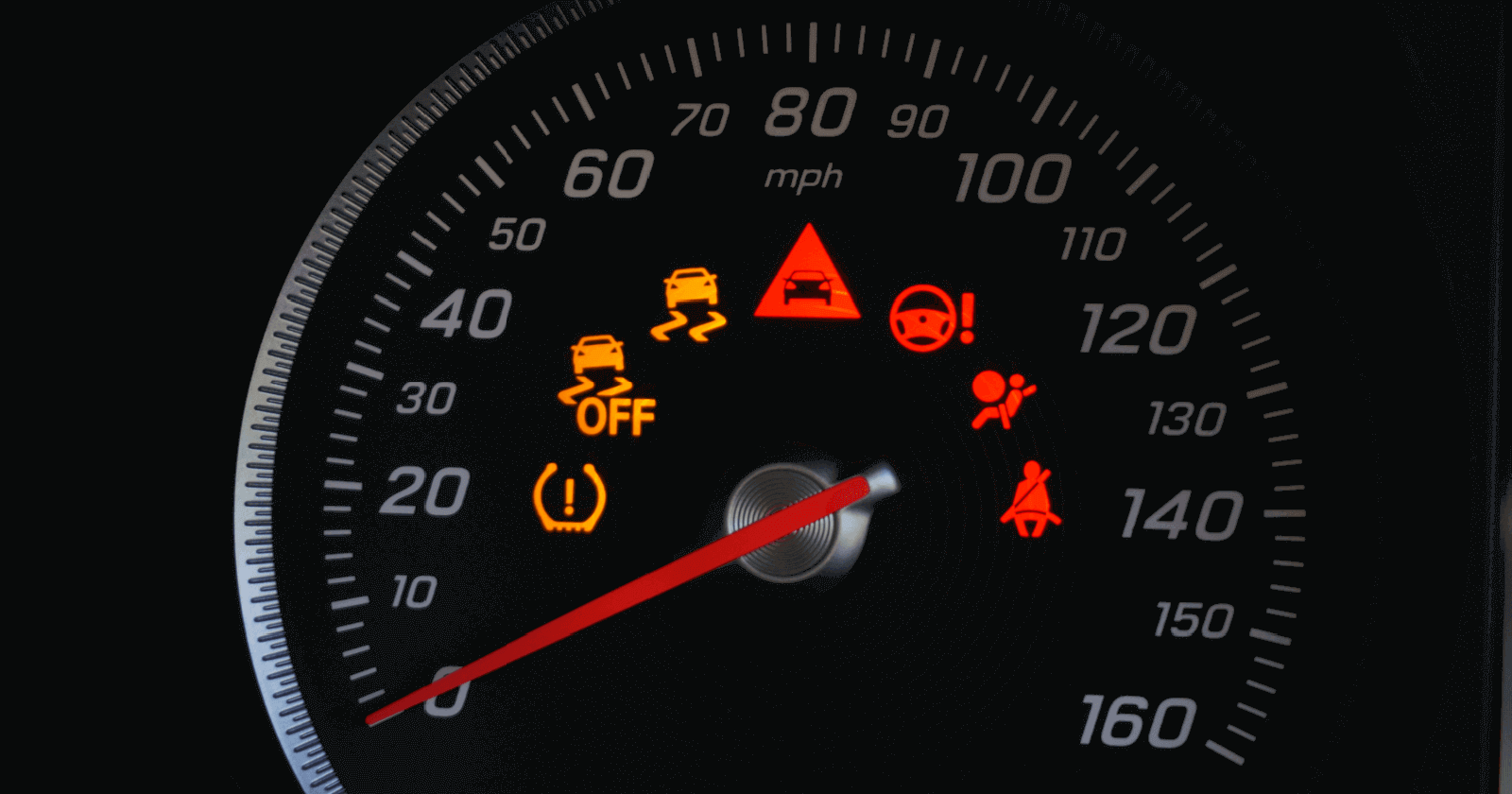
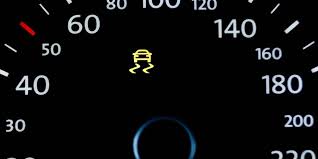
If you see a car with skid marks icon flashing or staying ON, that’s your Traction Control (TC) warning light.
This system helps your car maintain grip—but when the light behaves differently, it can mean different things.
Here’s the simple truth:
👉 Your car is either maintaining traction… or losing it.
What Does the Traction Control Light Mean?
The traction control (TC) light can behave in two ways:
👉 Flashing light → Normal (system actively working)
👉 Constant light → Problem in the system
The system monitors wheel slip and adjusts braking and engine power to maintain grip.
What Is Traction Control?
Traction Control (TC) is a safety system that:
- Prevents wheel spin during acceleration
- Improves grip on slippery surfaces
- Works with ABS and stability control
It uses:
- Wheel speed sensors
- ABS module
- Brake pressure control
👉 It helps your car stay stable during low-traction conditions
Why This Warning Matters in India
Indian roads often have:
- Wet surfaces during monsoon
- Dust and loose gravel
- Sudden braking in traffic
Without traction control:
👉 Wheels may slip easily, especially during acceleration
Common Causes of Traction Control Light
Let’s break down the most common real-world reasons:
- Normal System Activation (Most Common)
- Light flashes during slippery conditions
- Indicates system is working
- Traction Control Turned OFF
- Driver disabled system manually
- Faulty Wheel Speed Sensors
- Incorrect data
- System malfunction
- ABS System Issues
- TC depends on ABS
- Any ABS fault affects TC
- Control Module Problems
- ECU communication errors
- System failure
- Hydraulic Control Unit Issues
- Brake pressure not controlled properly
All these issues can trigger the traction control light.
Symptoms You Might Notice
- Wheels slipping during acceleration
- Reduced traction on wet roads
- Warning light ON continuously
- ABS light also ON
Can You Drive With Traction Control Light On?
👉 Yes—but with caution.
- Car will drive normally
- But traction control may not work
This is risky in:
- Rain
- Gravel roads
- Sudden acceleration
What Should You Do When This Warning Appears?
Follow this practical checklist:
Step 1: Check If System Is OFF
- Turn traction control ON
Step 2: Observe Light Behavior
- Flashing → Normal
- Constant → Issue
Step 3: Restart the Vehicle
Temporary glitch may clear
Step 4: Inspect Tires
- Proper pressure
- Good condition
Step 5: Scan for Error Codes
Use OBD scanner
Step 6: Visit a Mechanic
If warning persists
Cost of Repair in India
Here’s a rough estimate:
Minor Fixes:
- System reset: ₹500 – ₹2,000
Medium Repairs:
- Sensor replacement: ₹3,000 – ₹10,000
Major Repairs:
- Control module repair: ₹15,000 – ₹50,000+
How to Prevent Traction Control Issues
Simple habits can help:
✔ Maintain Tire Condition
Ensure proper grip
✔ Keep Sensors Clean
Avoid dirt buildup
✔ Maintain Brake System
ABS health is important
✔ Regular Diagnostics
Catch issues early
Why Understanding This Matters Today
Modern vehicles rely on:
- Sensors
- ECU systems
- Real-time traction control
TC is:
👉 A critical safety feature for stability
Understanding it helps you:
- Drive safer
- Avoid skidding
- Maintain vehicle control
From Driver to Smart Automotive Enthusiast
Most drivers:
- Panic when light flashes
- Don’t understand system behavior
But informed drivers:
- Recognize normal vs fault
- Drive confidently
- Fix issues early
That’s a big difference.
A Subtle Upgrade: Build Real Automotive Skills
If you’re curious about systems like traction control, ABS, and stability control, this is a great starting point.
Learning skills like:
- Sensor diagnostics
- Brake system analysis
- ECU troubleshooting
…can completely change your understanding.
You move from:
👉 “Why is this light blinking?”
to
👉 “I know my car is maintaining traction.”
Final Thoughts
The traction control warning light can mean two things:
- Flashing → System working
- Constant → System fault
Understanding the difference can:
- Keep you safe
- Improve driving confidence
- Prevent accidents
Soft CTA
If you’ve ever wanted to understand advanced safety systems like traction control, ABS, and ECU-based driving aids, exploring structured automotive learning—especially in diagnostics and vehicle electronics—can be a valuable next step. It’s a practical way to become a more confident driver who truly understands how your vehicle keeps you stable on the road.
 Watch a real battery testing demo here: Reynlab YouTube Channel
 Explore our automotive training programs: www.reynlab.com/our-courses