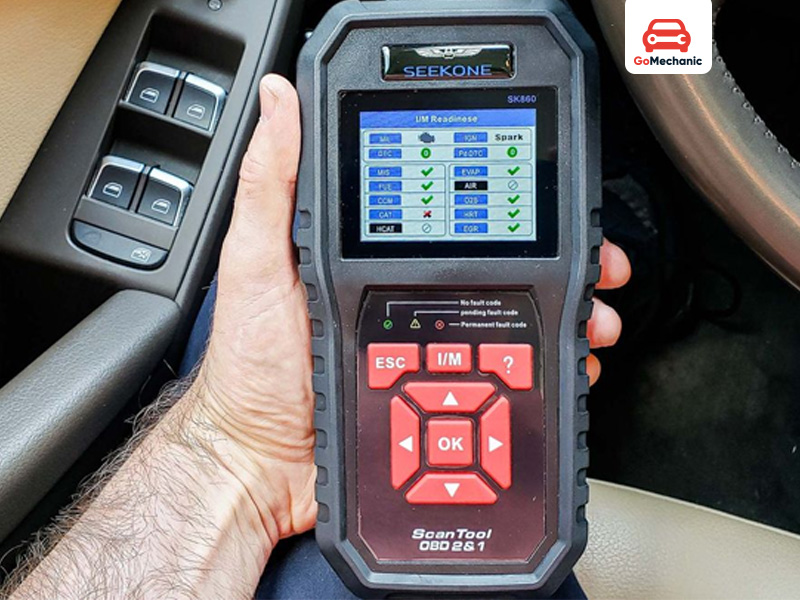
In today’s automotive world, one tool has become essential for every technician and workshop owner—the OBD2 scanner.
Whether you’re:
- A beginner learning diagnostics
- A technician upgrading your skills
- A workshop owner improving service quality
Understanding how to use an OBD2 scanner properly can dramatically improve your efficiency, accuracy, and income.
🔧 What is an OBD2 Scanner?
An OBD2 (On-Board Diagnostics) scanner is a device that connects to a vehicle’s computer system to:
- Read fault codes
- Monitor live data
- Identify system issues
- Clear warning lights
👉 It acts as a bridge between the car and the technician.
📍 Where is the OBD2 Port Located?
In most cars in India, the OBD2 port is located:
- Under the dashboard
- Near the steering column
- Sometimes near the center console
💡 Tip: Always check below the driver-side dashboard first.
⚙️ Types of OBD2 Scanners (India Market)
- Basic Code Readers
- Read & clear fault codes
- Affordable (₹1,000–₹3,000)
- Good for beginners
- Bluetooth OBD Scanners
- Connect to mobile apps
- Show live data
- Budget-friendly
Popular in India:
- ELM327-based devices
- Professional Scan Tools
- Advanced diagnostics
- Manufacturer-specific data
- Expensive (₹15,000–₹1L+)
👉 Best for serious workshops
📟 How to Use an OBD2 Scanner (Step-by-Step)
Step 1: Locate the Port
Plug the scanner into the OBD2 port
Step 2: Turn Ignition ON
Engine can be OFF or ON depending on test
Step 3: Connect Scanner
Bluetooth or wired connection
Step 4: Read Codes
Scanner displays fault codes (e.g., P0300)
Step 5: Interpret Codes
Use scanner or online database
Step 6: Fix Issue & Clear Code
💡 Always fix the issue before clearing codes.
🔍 Understanding Fault Codes
Example:
- P0300 → Engine misfire
- P0171 → Lean fuel mixture
Code Structure:
- P = Powertrain
- B = Body
- C = Chassis
- U = Network
👉 Codes indicate where to look, not exactly what to replace.
📊 Live Data: The Real Power of OBD2
Basic users read codes. Experts analyze live data.
Key Data Points:
- RPM
- Fuel trim
- Oxygen sensor
- Coolant temperature
Why It Matters:
- Detect issues before failure
- Improve diagnostic accuracy
- Reduce trial-and-error
⚠️ Common Mistakes to Avoid
❌ Replacing parts just based on codes
❌ Ignoring live data
❌ Using low-quality scanners
❌ Clearing codes without fixing issue
💡 This is where many technicians lose money and trust.
🧠 OBD2 + Basic Skills = Real Diagnosis
An OBD2 scanner is powerful—but only when combined with:
- Blog 11: Basic repair skills
- Blog 12: Advanced diagnostics
👉 Together, they create a complete diagnostic system.
🛠️ Best OBD2 Scanners for India (Beginner to Pro)
Budget (₹1K–₹3K)
- ELM327 Bluetooth scanner
Mid-Range (₹5K–₹15K)
- Launch CR series
- Autel basic scanners
Professional (₹20K+)
- Autel MaxiSys
- Bosch diagnostic tools
💡 Choose based on your workshop size and workload.
🧑🔧 For Workshop Owners: Why You Must Invest in OBD2
- Faster job completion
- More vehicles per day
- Ability to handle modern cars
- Higher service charges
👉 ROI is usually achieved within months.
🇮🇳 India-Specific Use Cases
- Check engine light due to poor fuel
- Sensor issues due to dust
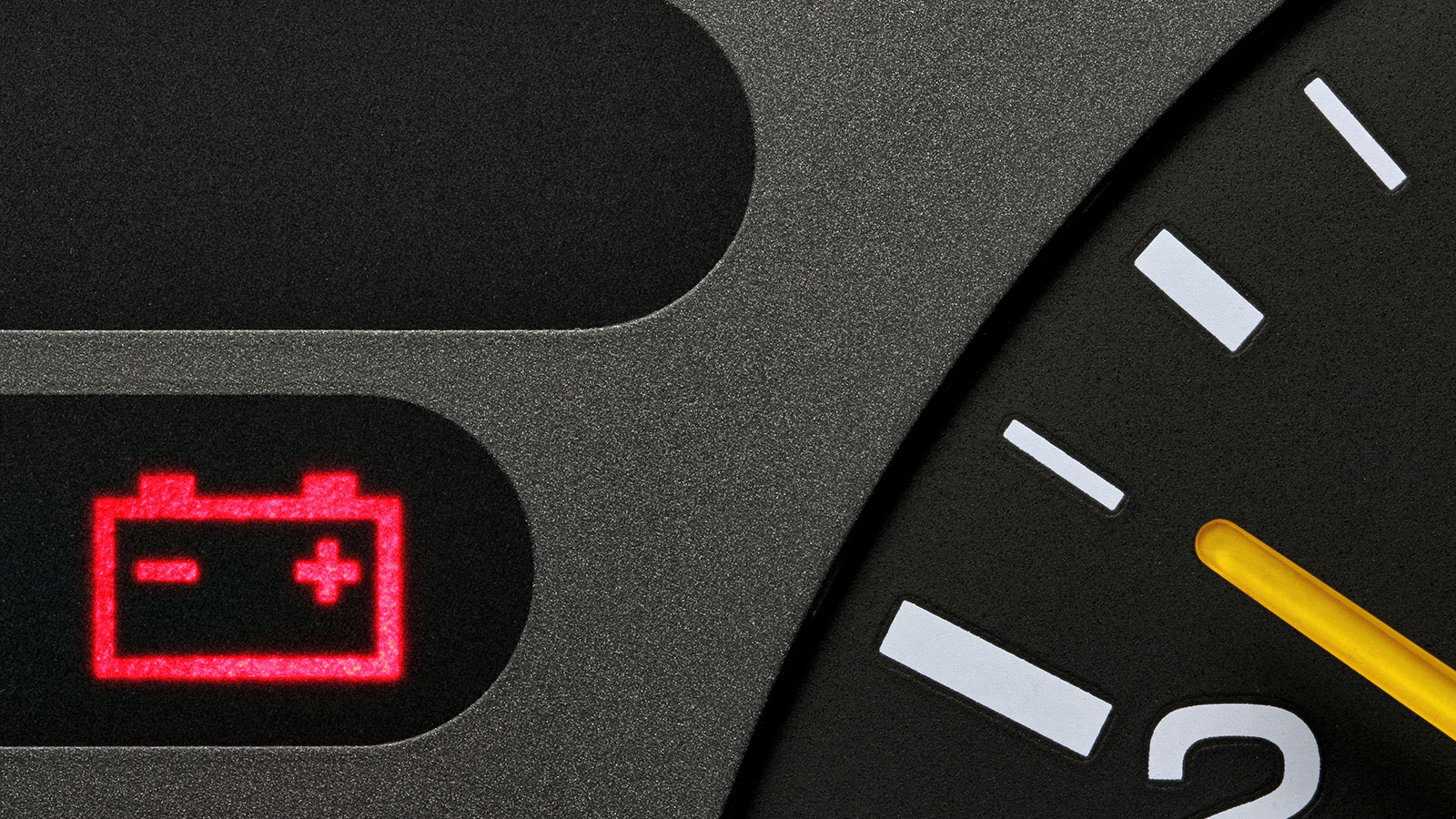
- Battery-related fault codes
- Emission-related problems (BS6 vehicles)
❓ FAQs
Q1: What is an OBD2 scanner used for?
It is used to diagnose car problems by reading fault codes and data.
Q2: Can I use OBD2 on all cars in India?
Most cars after 2010 support OBD2.
Q3: Is a cheap scanner enough?
For basic use, yes. For workshops, upgrade is recommended.
🏁 Conclusion
An OBD2 scanner is no longer optional—it’s a must-have tool for every automotive technician in India. But remember, the tool alone doesn’t make you an expert.
Your real strength comes from combining:
- Basic skills
- Diagnostic thinking
- Data interpretation
Master this, and you’ll stand out in a competitive market.
📺 Watch a real battery testing demo here: Reynlab YouTube Channel
🌐 Explore our automotive training programs: www.reynlab.com/our-courses