Must-Have Automotive Tools in India (Best Picks to Boost Profit)
· ECM Repair – Diagnostics & Maintenance
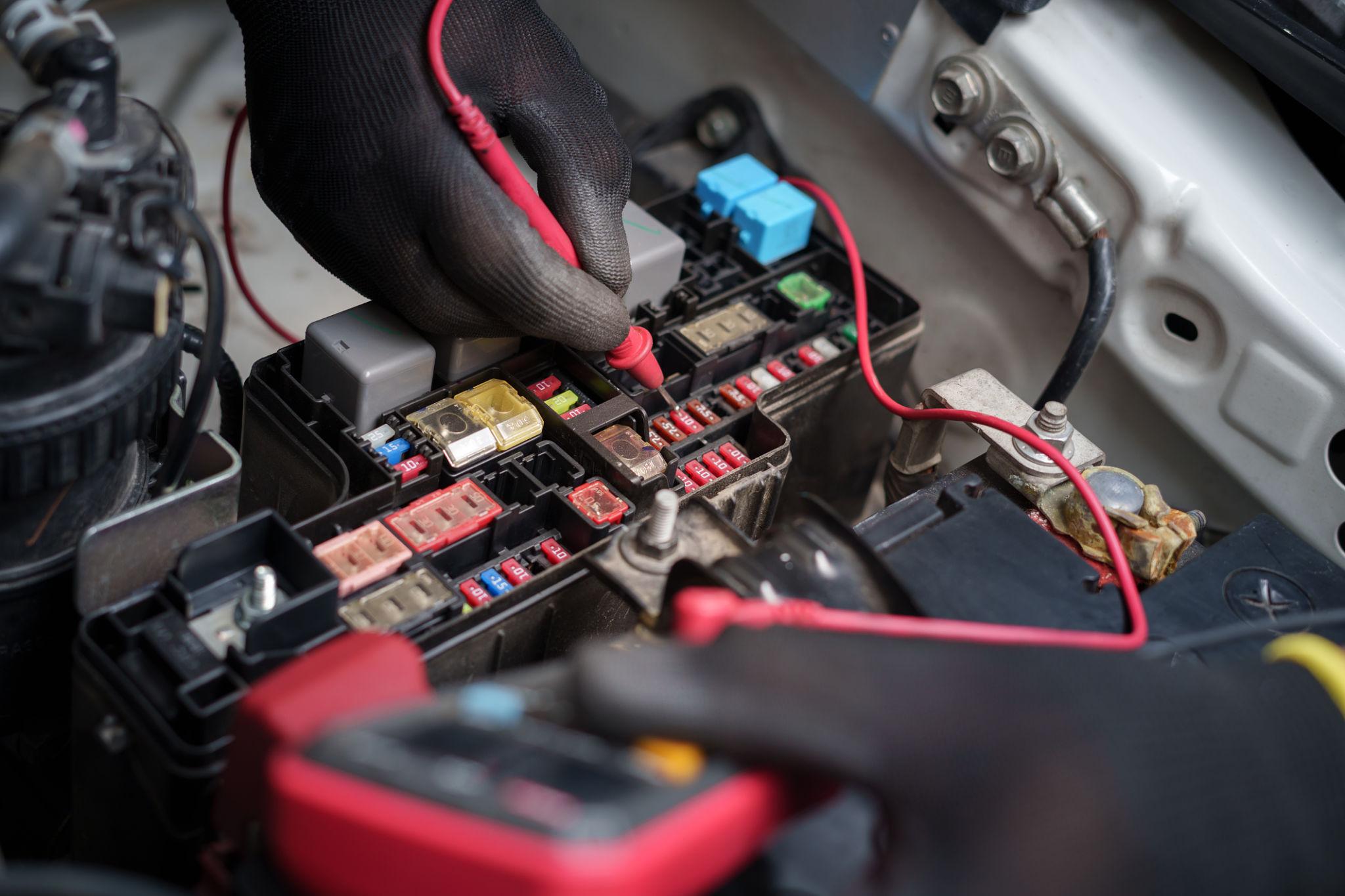
Before replacing sensors, relays or even the ECM, always check the fuse. A simple blown fuse can stop the engine completely, disable the ECM and cause "no communication" issues.
What is an ECM fuse?
A fuse is a safety device that protects electrical circuits from overload. When excess current flows, the fuse blows and breaks the circuit, which prevents damage. In this way it protects the ECM from serious damage.
Why ECM fuses blow
The common causes are a short circuit, wiring damage, faulty components, water entry and voltage surges. Always find the cause before replacing the fuse.
Symptoms of ECM fuse problems
- Car not starting
- No communication with the scanner
- Check engine light off
- Fuel pump not working
- No injector signal
These symptoms mimic ECM failure.
Types of fuse problems
- Blown fuse. Overcurrent is the cause, and the result is no power to the ECM.
- Loose fuse. Poor fit is the cause, and the result is intermittent issues.
- Corroded fuse. Moisture is the cause, and the result is a weak connection.
Step-by-step fuse diagnosis
- Locate the fuse box. It is usually under the dashboard or in the engine bay.
- Identify the ECM fuse. Refer to the fuse diagram or the owner manual.
- Inspect it visually. Look for a broken metal strip, which shows a blown fuse.
- Test with a multimeter. Do a continuity test. If there is no beep, the fuse is blown.
- Check fuse voltage to make sure the power supply is present.
- Inspect the fuse socket for corrosion and loose contact.
How to fix ECM fuse problems
- Replace a blown fuse with one of the correct rating.
- Clean the fuse contacts to remove corrosion.
- Fix wiring issues to prevent a repeat failure.
- Secure the fuse properly so it sits tight.
- Check related components to find the root cause.
Real workshop case studies
Car not starting
The diagnosis showed a blown ECM fuse. The root cause was a short circuit in the wiring. The solution was to fix the wiring and replace the fuse, and the car started.
Fuse blowing repeatedly
The diagnosis pointed to a faulty injector. Replacing the injector solved the problem.
Common mistakes
- Replacing the fuse without fixing the cause. The fuse blows again.
- Using the wrong fuse rating. This risks damage.
- Ignoring fuse box corrosion. It leads to a poor connection.
Pro tips
Always carry spare fuses, check the fuse first and use only the correct rating.
Indian market insight
Moisture, dust and poor maintenance are the common issues, so fuse problems are very common.
Cost and profit
A fuse costs ₹10 – ₹100, and the repair charge is ₹300 – ₹2,000. It is quick and easy income.
Quick checklist
- Locate the fuse.
- Inspect it visually.
- Test with a multimeter.
- Replace it if blown.
- Fix the root cause.
Frequently asked questions
Can a fuse cause a no-start?
Yes, and it is very common.
How do I check a fuse?
Use a visual inspection and a multimeter test.
Why does a fuse blow repeatedly?
A short circuit or a faulty component is the usual cause.
Is a fuse expensive?
No, it is very cheap.
Should I replace the ECM if the fuse blows?
No, check the cause first.
Summary
A simple fuse can cause major ECM problems, but it is also one of the easiest fixes. Check early, diagnose properly and fix the root cause. Mastering this helps you solve problems quickly, save money and build confidence.
Watch our workshop videos on the Reynlab YouTube Channel. You can also explore our automotive training programs at www.reynlab.com/our-courses.