ECM Failure After Battery Replacement – Causes & Fixes
· ECU Repair – Diagnostics & Maintenance
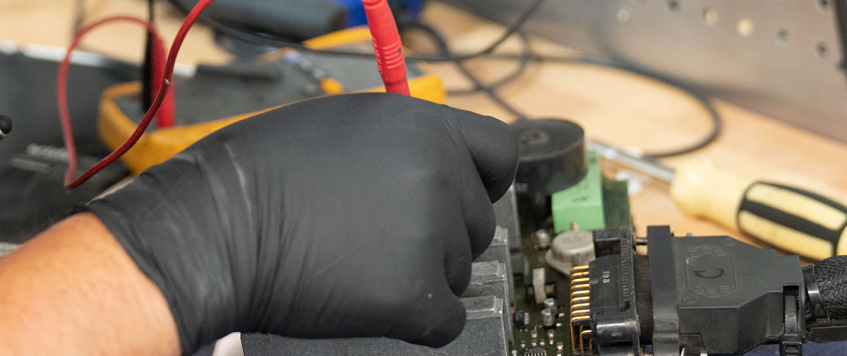
You replace your car battery, and suddenly the car won’t start, the check engine light is on and there are strange electrical issues. You might think, “Did the new battery damage my ECM?” The answer is that sometimes it did, but often it is something simpler.
Why problems happen after battery replacement
The ECM depends on stable voltage, stored memory and proper connections. When you replace the battery, power is cut, voltage may spike and the memory resets. This can cause unexpected issues.
Most problems after battery replacement are not permanent ECM failures. They are usually reset, wiring or voltage issues.
Top causes of ECM issues after a battery change
1. Voltage spike during replacement
A sudden surge when the battery is connected can cause internal ECM damage. The cause is usually an improper connection or sparks during installation.
2. Reverse polarity connection
If the battery terminals are connected incorrectly, the result is severe ECM damage and blown fuses. This is one of the most dangerous mistakes.
3. Loose or poor battery connections
Weak electrical contact leads to ECM malfunction and intermittent issues.
4. ECM reset and memory loss
The ECM loses its stored data, which can cause a rough idle, poor mileage and temporary errors. This is normal in many cases.
5. Fuse damage
If a fuse blows during replacement, the ECM is left without power.
6. Immobilizer sync issue
If the key and ECM lose sync, the car cranks but won’t start.
Common symptoms after battery replacement
- Car not starting
- Check engine light on
- Idle fluctuation
- Electrical systems malfunctioning
- Loss of power
Step-by-step fix guide
- Check the battery connections. Terminals should be tight with no corrosion.
- Check the battery voltage. With a multimeter it should read about 12.5V.
- Inspect the fuses, especially the ECM fuse and the main fuse.
- Perform an ECM reset. Disconnect the battery for 10–15 mins or use an OBD scanner. This helps restore normal operation.
- Scan for error codes to identify any stored issues.
- Check the immobilizer if the car cranks but doesn’t start.
- Check the wiring to make sure there are no loose connections.
- Test ECM function by checking the injector signals and ignition signals.
Real workshop case study
The car would not start after a battery change, and the initial guess was ECM failure. The diagnosis was a loose battery terminal. Tightening the connection solved it and the car started normally.
Advanced case study
A car showed multiple electrical issues. The diagnosis was a blown ECM fuse. Replacing the fuse restored the system.
When the ECM is actually damaged
Suspect the ECM only if there is no communication, no injector signal, a burning smell or visible damage.
Indian conditions insight
Common issues in India are local battery replacement done without care, poor terminal connections and cheap batteries.
How to prevent problems
- Install properly. Connect positive first, then negative.
- Avoid sparks.
- Use a good quality battery.
- Check the terminals regularly.
Cost impact
Minor issues cost ₹0 – ₹2,000. An ECM repair costs ₹3,000 – ₹15,000. An ECM replacement costs ₹20,000+. Prevention saves money.
Common mistakes
- Blaming the ECM immediately. It is often a simple issue.
- Ignoring the fuse check. A blown fuse is a very common cause.
- Wrong battery installation, which causes serious damage.
Frequently asked questions
Can battery replacement damage the ECM?
Yes, it can if the replacement is done incorrectly.
Why is the car not starting after a battery change?
The usual causes are loose connections, a blown fuse or an immobilizer issue.
Does the ECM reset after battery removal?
Yes, the ECM memory resets.
Should I worry about ECM damage?
Only after proper diagnosis.
How do I avoid these issues?
Install the battery properly and do the checks described above.
Summary
Problems after battery replacement are common but usually simple to fix. Check the basics first, follow a process and don’t panic. Doing this helps you solve problems faster, avoid unnecessary replacements and build trust with customers.
Watch our workshop videos on the Reynlab YouTube Channel. Explore our automotive training programs: www.reynlab.com/our-courses