ECM Ground Problems: Warning Signs and Quick Fixes
· ECU Repair – Diagnostics & Maintenance
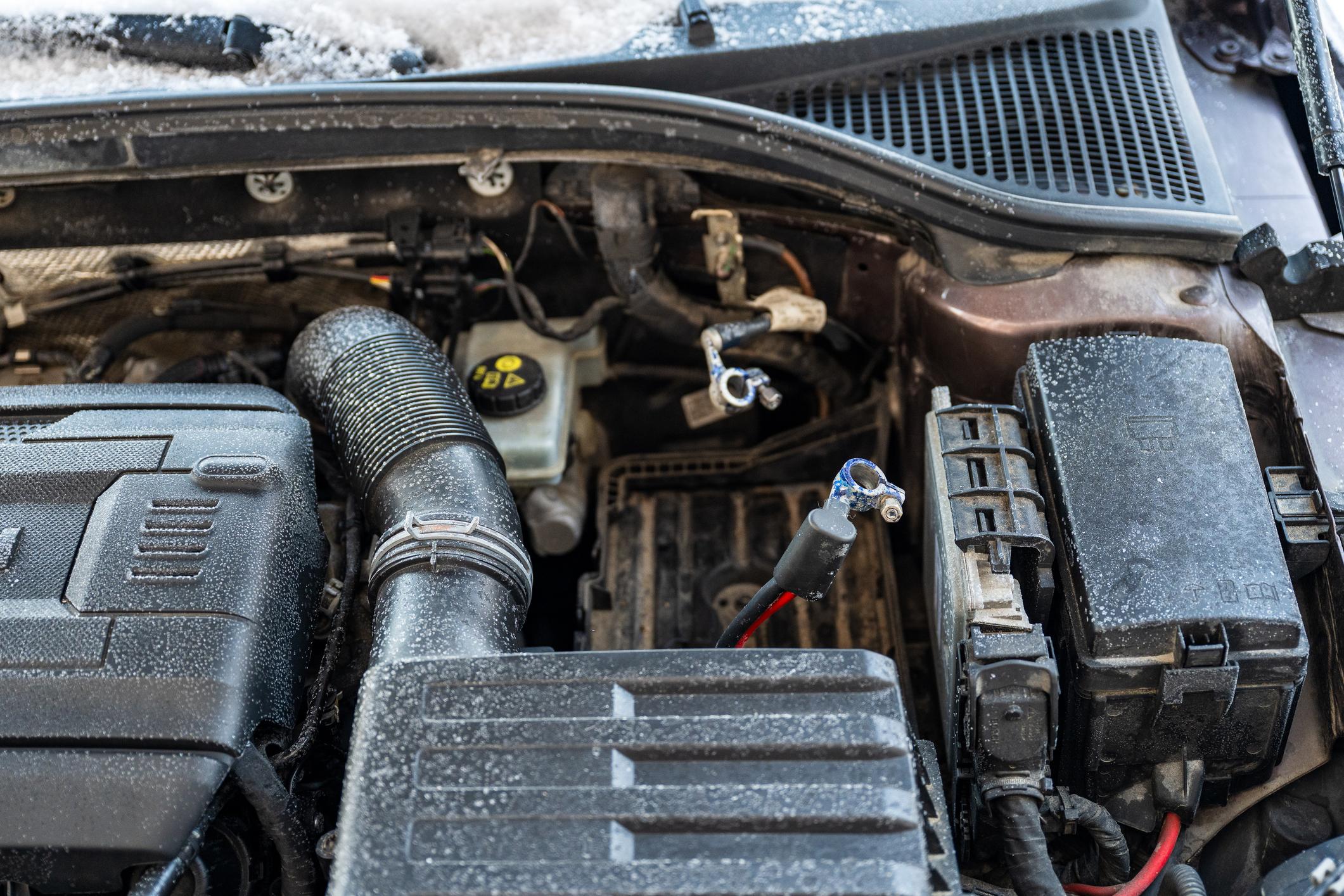
Many technicians focus on sensors, the ECM and wiring, but forget one critical thing: grounding. Without proper grounding, even a perfectly working ECM will fail.
What is grounding in a car?
Grounding is the return path for electrical current. Power goes from the battery (+) and returns through the ground (-). Without a proper ground, the circuit is incomplete.
Why grounding is important for the ECM
The ECM needs a stable ground for sensor readings, signal processing and output control. A poor ground means an unstable system.
Symptoms of ECM grounding issues
- Car not starting
- Intermittent engine problems
- Random error codes
- Sensor malfunction
- No communication with the ECM
- Electrical system instability
Common causes of ground issues
- Loose ground connection. The cause is a loose bolt, and the fix is to tighten it properly.
- Corrosion. The cause is moisture and rust, and the fix is to clean the surface.
- Broken ground wire. The cause is wear and tear, and the fix is to replace the wire.
- Poor aftermarket work. The cause is improper installation, and the fix is to rewire correctly.
Step-by-step diagnosis
- Visual inspection. Look for a loose ground or corrosion.
- Continuity test. Use a multimeter to check the ground path. A beep means it is good.
- Voltage drop test. Measure the voltage difference across the connection. The expected reading is near 0V, and a high voltage drop means a bad ground.
- Check multiple ground points, because the ECM may have more than one ground.
- Wiggle test. Move the ground wire. If the issue appears, the connection is loose.
How to fix grounding issues
- Clean the ground point with sandpaper or a brush to remove rust.
- Tighten the connection to ensure strong contact.
- Replace the ground wire if it is damaged.
- Add an additional ground to improve stability.
- Apply a protective coating to prevent corrosion.
Real workshop case study
A car was not starting. The diagnosis was a weak ground connection. Cleaning and tightening it got the engine started.
Advanced case study
A car showed random error codes. The diagnosis was a high voltage drop. Replacing the ground cable gave a stable system.
Common mistakes
- Ignoring the ground leads to wrong diagnosis.
- Not cleaning properly gives only a temporary fix.
- Loose tightening means the issue recurs.
Pro tips
Always check the ground first, use a multimeter and keep connections clean.
Indian market insight
Common issues are rust, dust and poor maintenance, so grounding issues are very common.
Cost and profit
The repair cost is ₹200 – ₹2,000 and the time needed is 10–30 minutes. It is a quick, high-value fix.
Quick checklist
- Check ground points.
- Test continuity.
- Measure voltage drop.
- Clean connections.
- Tighten properly.
Frequently asked questions
Can a bad ground cause a no-start?
Yes, and it is very common.
How do I test a ground?
Use a multimeter for continuity and voltage drop.
Is grounding important?
Yes, it is critical for the ECM.
Can I fix a ground myself?
Yes, it is a basic repair.
What is voltage drop?
Voltage drop is the difference in voltage across a connection.
Summary
Grounding is one of the most important yet overlooked aspects of ECM diagnostics. Check the ground early, test it properly and fix it thoroughly. Doing so helps you solve hidden problems, diagnose faster and increase reliability.
Watch our workshop videos on the Reynlab YouTube Channel. Explore our automotive training programs: www.reynlab.com/our-courses