ECM Power Problems: Warning Signs and Quick Fixes
· ECU Repair – Diagnostics & Maintenance
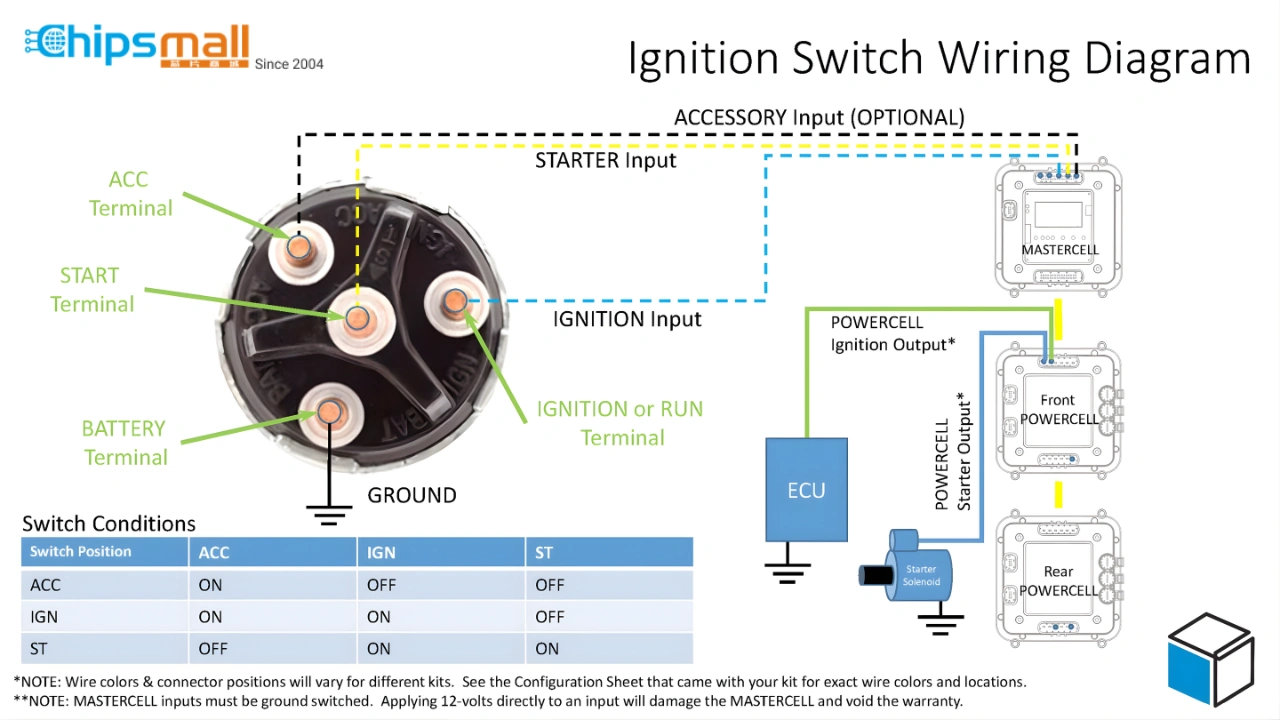
Before blaming sensors or the ECM itself, ask one question: is the ECM getting proper power? Without a stable supply, even a perfect ECM will fail.
How the ECM power supply works
The ECM receives power through the battery, the ignition switch, fuses and relays. All of them must work correctly for the ECM to run.
Why power supply issues occur
The common causes are a blown fuse, a faulty relay, loose wiring, a weak battery or an ignition switch fault. These are very common in real-world conditions, so they deserve a check before anything else.
Symptoms of ECM power issues
- The car does not start
- No communication with the scanner
- The check engine light stays off
- Intermittent starting
- Random electrical problems
Types of power supply issues
1. No power to the ECM
A blown fuse or a broken wire cuts the supply completely, and the ECM is dead.
2. Low voltage supply
A weak battery or a voltage drop in the circuit makes the ECM malfunction.
3. Intermittent power
A loose connection or a faulty relay gives the ECM power only some of the time, which shows up as random issues.
Step-by-step diagnosis
- Check battery voltage. Use a multimeter. It should read about 12.5 V.
- Check the ECM fuses. Inspect the engine fuse box and replace any blown fuse.
- Check the relays. Swap the relay with a known good one and listen for the click.
- Check the ECM power pins. Measure the voltage at the pins. No voltage means a wiring issue.
- Check the ignition supply. Make sure the ignition signal reaches the ECM.
- Do a voltage drop test. Measure the difference across the circuit. A high drop means a bad connection.
- Inspect the wiring. Look for damage and loose connections.
How to fix power supply issues
- Blown fuse: replace it. This is simple and quick.
- Wiring: repair any broken wires.
- Relay: replace a faulty relay, a common issue.
- Battery: replace a weak battery.
- Connections: tighten them properly.
Real workshop case studies
Car not starting
The car would not start. Diagnosis showed no power at the ECM, and the root cause was a blown fuse. Replacing the fuse got the car started.
Intermittent starting
This car started only some of the time. Diagnosis pointed to a faulty relay. After the relay was replaced, performance was stable.
Common mistakes
- Ignoring the fuse check, even though a fuse is the most common cause.
- Not testing the relay, which means the issue is missed.
- Jumping to ECM replacement, which is a costly mistake.
Pro tips
Always start with power and check the fuses first. Use the wiring diagram as you work.
Indian market insight
The common issues are poor battery maintenance, cheap relays and wiring damage. Power issues are very common.
Cost and time
A minor fix costs ₹0 to ₹2,000 and takes 15 to 60 minutes, so it is a quick and efficient repair.
Quick checklist
- Battery OK
- Fuse OK
- Relay OK
- Wiring OK
- ECM receiving voltage
Frequently asked questions
What happens if the ECM has no power?
The car will not start.
Can a fuse cause ECM failure?
Yes, a blown fuse is a very common cause of what looks like ECM failure.
How do I test ECM power?
You test it with a multimeter, as in the diagnosis steps above.
Is the relay important?
Yes, the relay controls the power supply to the ECM.
Should I replace the ECM?
Only after you have confirmed the power supply is good.
Summary
Power supply is the foundation of ECM operation. Check power first, diagnose step by step and fix the root cause. Working this way helps you solve problems quickly, avoid costly mistakes and build strong diagnostic skills.
Watch our workshop videos on the Reynlab YouTube Channel. You can also explore our automotive training programs at www.reynlab.com/our-courses.