How to Check Car Fuses Easily
· ECU Repair – Diagnostics & Maintenance
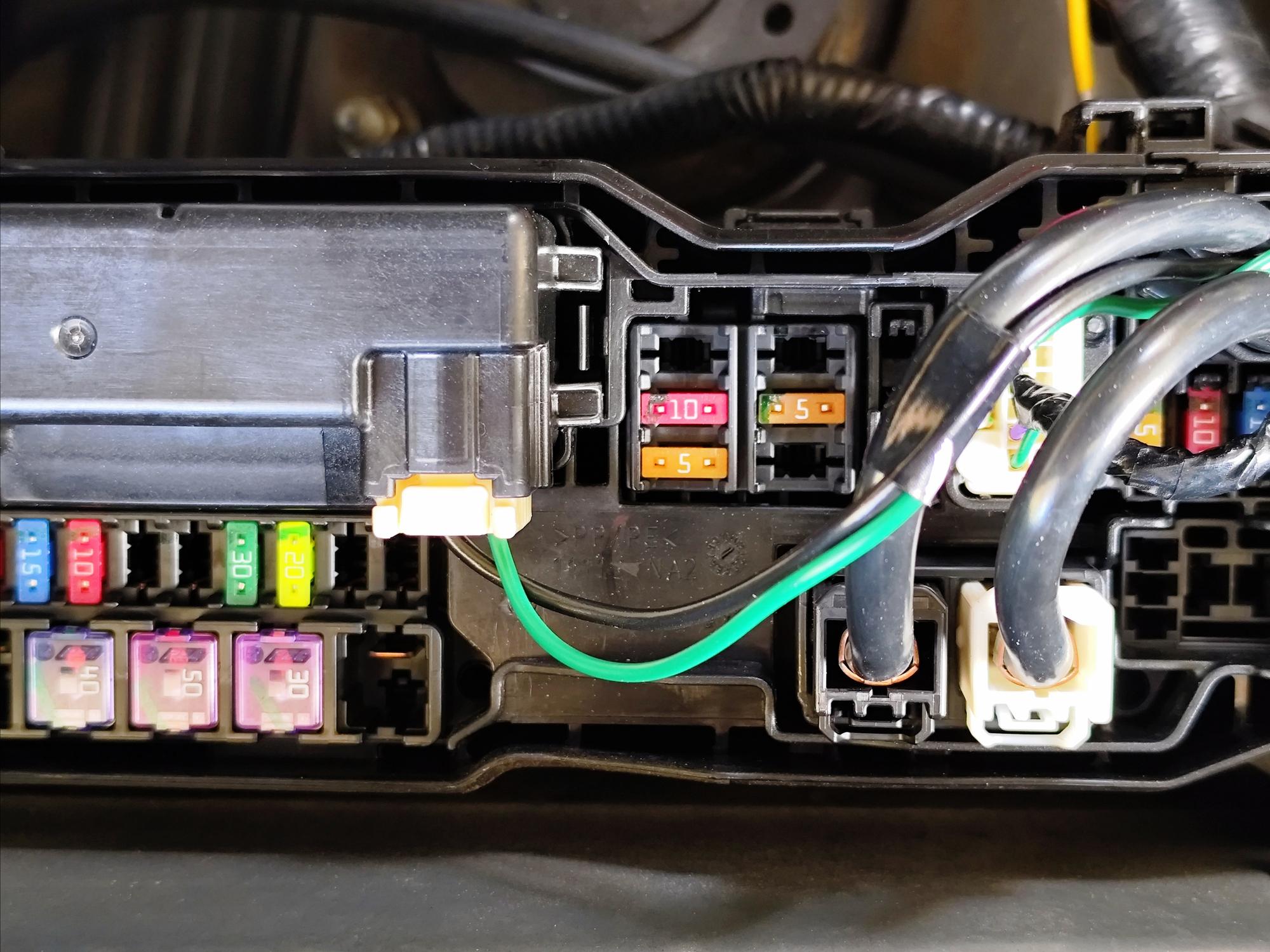
Before checking sensors, the ECM or wiring, always check the fuses first. A ₹10 fuse can stop a ₹50,000 ECM system, and a fuse check is the fastest and easiest diagnostic step.
What is a fuse?
A fuse is a safety device that protects electrical circuits. When excess current flows, the fuse blows and the circuit stops, which prevents damage. In this way it protects the ECM and the wiring.
Types of car fuses
- Blade fuse: the most common type.
- Glass fuse: found in older vehicles.
- Cartridge fuse: used in high-current systems.
Symptoms of a blown fuse
A blown fuse can show up as a car that is not starting, no ECM power, a fuel pump that is not working or no communication. These are often mistaken for a major issue.
Step-by-step fuse testing
- Locate the fuse box. It is usually under the dashboard or in the engine bay.
- Identify the fuse. Use the fuse diagram or the manual.
- Inspect it visually. Check the metal strip, because a broken strip means a blown fuse.
- Test with a multimeter. Do a continuity test. No beep means a blown fuse.
- Do a voltage test. Check both sides of the fuse.
- Replace the fuse. Use the correct rating.
- Check the cause. This is an important step.
Fuse testing methods
- Visual check: quick but not always reliable.
- Multimeter test: the most accurate.
- Test light: fast and practical.
Real workshop case studies
Case 1: Car not starting
The diagnosis was a blown ECM fuse. Replacing the fuse solved it.
Case 2: No fuel pump
The diagnosis was a blown fuel pump fuse, and replacing it fixed the issue.
Case 3: Repeated fuse blow
The diagnosis was a short circuit, and fixing the wiring solved the problem.
Common mistakes
- Replacing the fuse without fixing the cause means it blows again.
- Using the wrong fuse rating carries a risk of damage.
- Ignoring fuse box corrosion leads to a poor connection.
Pro tips
Always check the fuse first, carry spare fuses and use the correct rating.
Indian market insight
Moisture, dust and poor maintenance are the common issues, so fuse problems are very common.
Cost and profit
A fuse costs ₹10 – ₹100 and the service charge is ₹300 – ₹1,500, which makes it easy profit.
Quick checklist
Locate the fuse, inspect it visually, test it with a multimeter, replace it and find the cause.
Frequently asked questions
Can a fuse cause a no-start?
Yes, it is very common.
How to test a fuse quickly?
Use a visual check together with a multimeter.
Why does a fuse blow repeatedly?
A short circuit is the usual reason.
Is a fuse expensive?
No, fuses are very cheap.
Should I replace it with a higher rating?
No, that is dangerous.
Summary
Fuse testing is the simplest yet most powerful diagnostic step. Check early, test properly and fix the root cause, and you will save time, avoid mistakes and work more efficiently.
Watch our workshop videos on the Reynlab YouTube Channel. Explore our automotive training programs at www.reynlab.com/our-courses.