How to Read OBD Error Codes (Common Codes and Fixes Guide)
· ECU Repair – Diagnostics & Maintenance
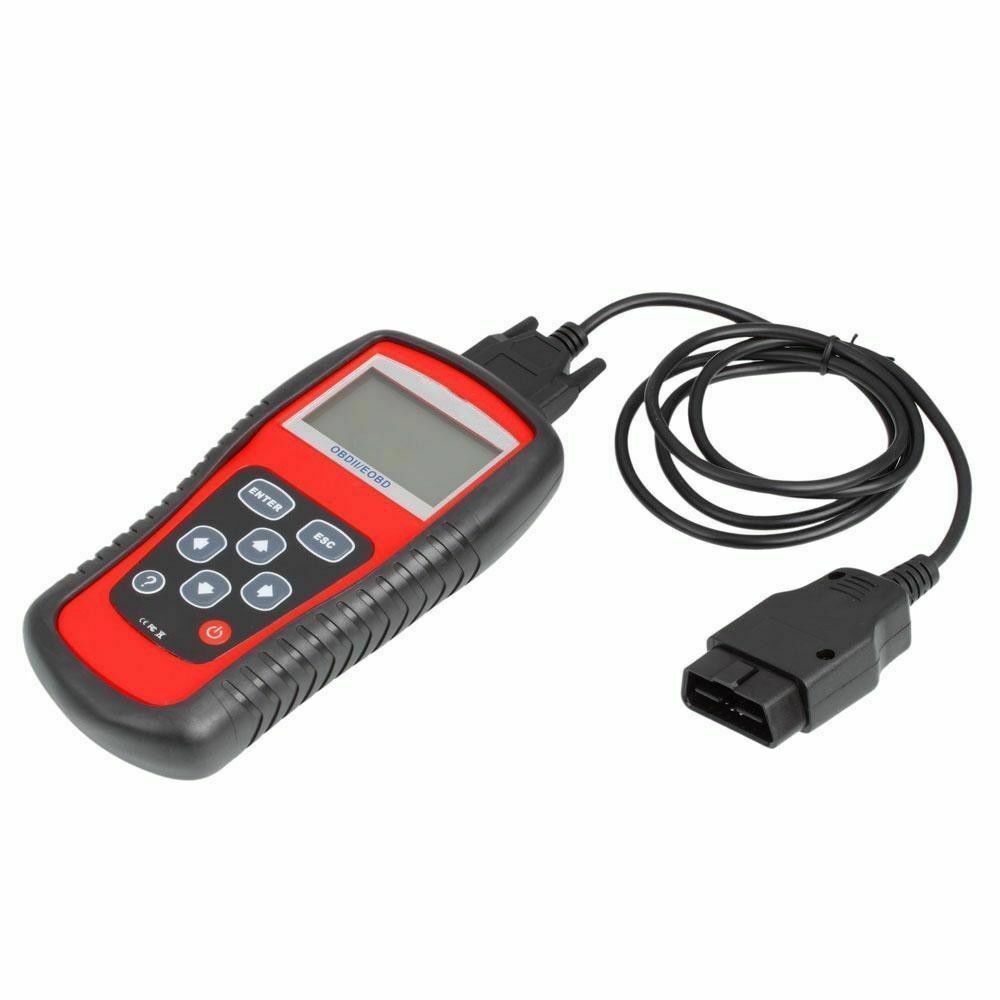
When you scan a car with an OBD scanner, you see codes like P0300, P0171 and P0420. These are Diagnostic Trouble Codes (DTCs), and they tell you what is wrong with the car. Understanding them means faster diagnosis.
What is an OBD error code?
An OBD code is a standardised code stored by the ECM when a fault occurs. The format is P0XXX. For example, P0300 means engine misfire and P0171 means a lean fuel mixture.
Code structure explained
The first letter shows the system:
- P: Powertrain (engine, transmission)
- B: Body
- C: Chassis
- U: Network
The first digit shows the type of code. A 0 is a generic code and a 1 is manufacturer-specific. Together they help you identify the problem area.
Most common OBD codes and fixes
P0300: random misfire
The symptoms are a rough engine and poor performance. The causes are spark plugs, an ignition coil or fuel issues. The fix is to replace the plugs or coils.
P0171: system too lean
The symptom is poor acceleration. The causes are an air leak or a weak fuel pump. Fix the vacuum leak and check the fuel system.
P0420: catalytic converter efficiency low
The symptom is the check engine light. The causes are a faulty converter or oxygen sensor, so replace the converter or the sensor.
P0100: mass air flow (MAF) sensor fault
The symptom is engine hesitation. The causes are a dirty sensor or a wiring issue. Clean or replace the MAF sensor.
P0110: intake air temperature sensor
The symptom is poor fuel efficiency. The cause is sensor failure, and the fix is to replace the sensor.
P0120: throttle position sensor
The symptom is irregular acceleration. The cause is TPS failure, and the fix is to replace the TPS.
P0335: crankshaft position sensor
The symptoms are no start and engine stalls. The cause is a faulty sensor, and the fix is to replace it.
P0400: EGR flow malfunction
The symptom is engine knocking. The cause is a blocked EGR valve. Clean or replace the EGR.
P0500: vehicle speed sensor
The symptom is a speedometer issue. The cause is sensor failure, and the fix is to replace the sensor.
P0600: ECM communication error
The symptom is no communication. The causes are wiring or an ECM fault. Check the wiring or repair the ECM.
Real workshop case study
A car came in with the check engine light on and the scanner showed P0335. The diagnosis was a crank sensor failure. The sensor was replaced and the problem was solved.
Common mistakes
- Replacing parts directly, without testing them first.
- Ignoring multiple codes, which means you miss the root cause.
- Not clearing codes after repair, which leads to confusion.
Pro tips
Always understand what the code means and verify it with tests. Use live data as well.
Indian market insight
The codes seen most often in Indian workshops are P0300, P0171 and P0335. Typical repair costs are:
| Code | Cost |
|---|---|
| P0300 | ₹1,000–₹5,000 |
| P0171 | ₹1,500–₹6,000 |
| P0335 | ₹1,000–₹3,000 |
| P0420 | ₹5,000–₹20,000 |
Quick code handling checklist
- Read the code.
- Understand its meaning.
- Inspect the components.
- Test.
- Repair.
- Clear the codes.
Frequently asked questions
What is an OBD code?
It is an error code stored by the ECM when it detects a fault.
Can one code mean multiple problems?
Yes, a single code can have more than one possible cause.
Should I replace parts directly?
No, always test first.
Are codes accurate?
They give direction, not the exact fault.
Can I clear codes myself?
Yes, you can clear them yourself using a scanner.
Summary
OBD error codes are your shortcut to accurate diagnosis. Understand the code, verify it with testing and fix the fault properly. You will diagnose faster, avoid guesswork and work more efficiently.
Watch our workshop videos on the Reynlab YouTube Channel. You can also explore our automotive training programs at www.reynlab.com/our-courses.