As electric vehicles grow in India, one question becomes critical:
👉 How do EVs charge—and how can technicians support this ecosystem?
With companies like Tata Power and Ather Energy expanding charging networks, EV charging systems are becoming a major part of automotive services.
For technicians and workshop owners:
👉 EV charging = new revenue opportunity
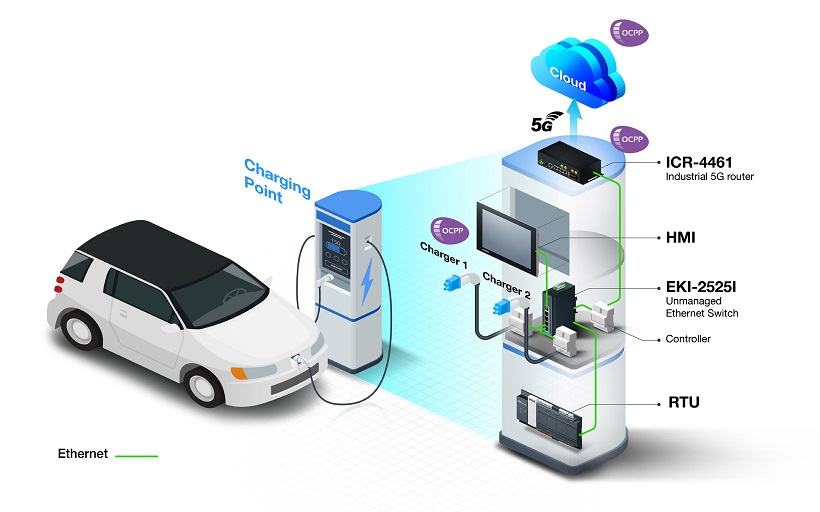
🔋 WHAT IS AN EV CHARGING SYSTEM?
An EV charging system supplies electricity to recharge the vehicle’s battery.
Key components:
- Charging station
- Charging cable
- Onboard charger
- Battery
🔌 TYPES OF EV CHARGING IN INDIA
⚡ Slow Charging (AC Charging)
Features:
- Uses home power supply
- Takes 6–10 hours
👉 Best for overnight charging
⚡ Fast Charging (DC Charging)
Features:
- High-power charging
- Charges in 30–90 minutes
👉 Ideal for highways and cities
🔋 Portable Charging
Features:
- Mobile charger
- Emergency use
⚙️ HOW EV CHARGING WORKS
Step-by-step process:
- Step 1: Connect charger to vehicle
- Step 2: Electricity flows to onboard charger
- Step 3: AC → DC conversion
- Step 4: Battery stores energy
👉 Controlled by the Battery Management System (BMS)
🔌 CHARGING CONNECTORS USED IN INDIA
Common types:
- Type 2 (AC)
- CCS (DC fast charging)
👉 Compatibility is very important for technicians
🔍 COMMON EV CHARGING PROBLEMS IN INDIA
🚫 Car Not Charging
Possible causes:
- Faulty charger
- Battery issue
- Connector problem
🐢 Slow Charging
Possible causes:
- Low voltage
- Weak power supply
⛔ Charging Stops Midway
Possible causes:
- Overheating
- BMS protection
🛠️ STEP-BY-STEP CHARGING SYSTEM DIAGNOSIS
🔍 Step 1: Inspect Charger & Cable
Check:
- Physical damage
- Loose connections
📟 Step 2: Scan Vehicle System
👉 Check charging-related fault codes
🔋 Step 3: Check Battery Condition
👉 Battery health directly affects charging
⚡ Step 4: Test Power Supply
Check:
- Voltage
- Current
🔌 Step 5: Verify Charging Unit
👉 Ensure charger is functioning properly
💼 FOR WORKSHOP OWNERS: NEW BUSINESS OPPORTUNITY
Opportunities:
- Home charger installation
- Charging station maintenance
- EV charging diagnostics
👉 Huge untapped market in India
💰 EV CHARGING COST IN INDIA
Home charging:
- ₹6 – ₹10 per unit
Public fast charging:
- ₹15 – ₹25 per unit
🇮🇳 EV CHARGING CHALLENGES IN INDIA
Key issues:
- Limited infrastructure (especially rural areas)
- Power fluctuations
- Charging availability
❌ COMMON MISTAKES TO AVOID
- ❌ Using incompatible chargers
- ❌ Ignoring safety protocols
- ❌ Poor installation
- ❌ Not checking power supply
❓ FREQUENTLY ASKED QUESTIONS (FAQs)
Q1: What are the types of EV charging?
→ Slow (AC), fast (DC), portable
Q2: How long does EV charging take?
→ 30 minutes to 10 hours
Q3: Can I install an EV charger at home?
→ Yes, with proper setup and safety
🏁 CONCLUSION
EV charging systems are a critical part of the electric vehicle ecosystem in India.
For technicians and workshop owners, this represents:
- A new skill
- A new business opportunity
- A future-ready service
🚀 FINAL TAKEAWAY
👉 EV charging = the future of automotive services in India
📺 Watch a real battery testing demo here: Reynlab YouTube Channel
🌐 Explore our automotive training programs: www.reynlab.com/our-courses