How the US Truck Industry saved $501 million on fuel?
Answered
The numbers behind the savings
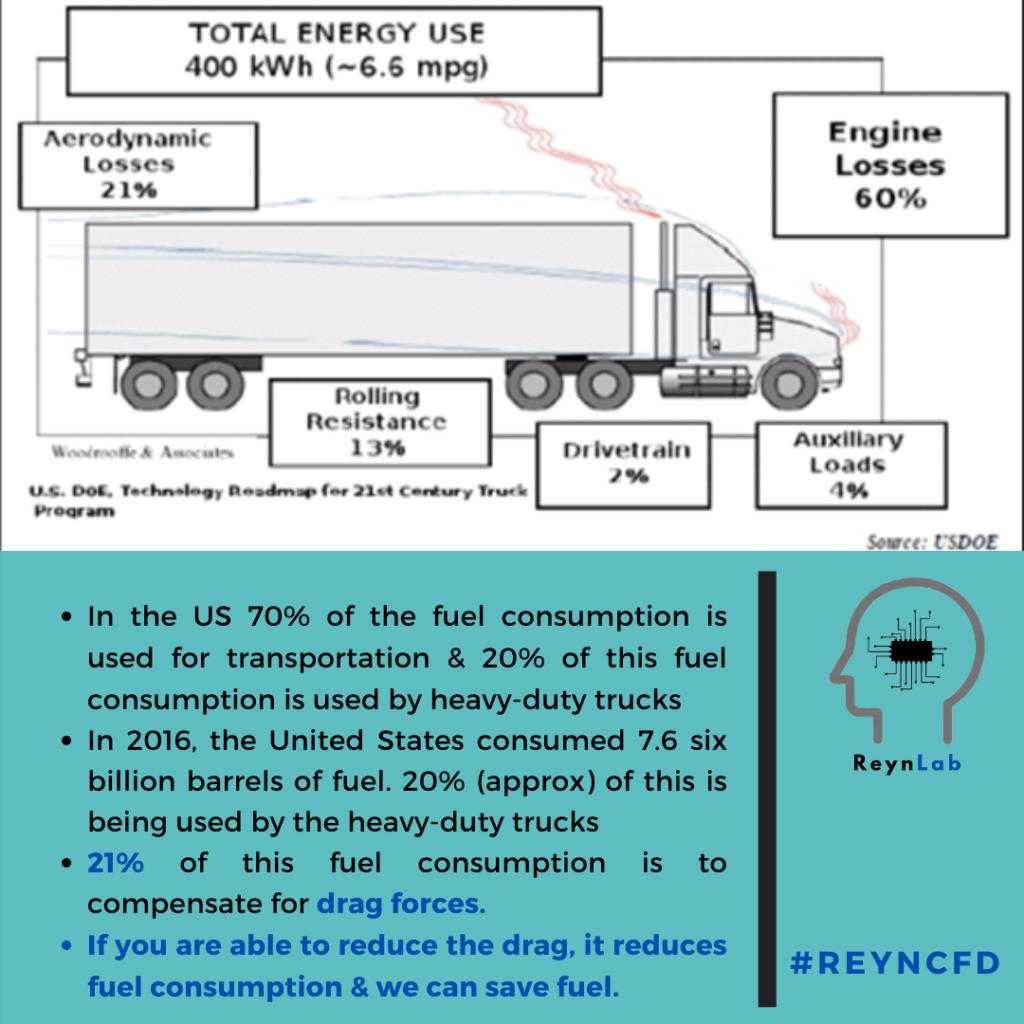
- In the US, 70% of fuel consumption is used for transportation, and 20% of that is used by heavy-duty trucks.
- In 2016, the United States consumed 7.6 billion barrels of fuel, and approximately 20% of it was used by heavy-duty trucks.
- 21% of this fuel consumption goes to overcoming drag forces.
- If you can reduce the drag, you reduce fuel consumption and save fuel.
How the U.S. trucking industry saved $501 million on fuel
The U.S. trucking industry has achieved significant fuel cost savings, amounting to $501 million, through the adoption of advanced technologies and sustainable practices. The result shows the industry's commitment to efficiency and environmental responsibility.
Key strategies driving fuel savings
Several initiatives have contributed to these savings.
- Adoption of fuel-efficient technologies. Trucking fleets have increasingly adopted aerodynamic enhancements, low-rolling-resistance tires and automatic tire inflation systems. Together these improve fuel economy by reducing drag and optimizing vehicle performance (source: University of Michigan).
- Driver training programs. Investing in driver education has proven effective. Training that focuses on fuel-efficient driving techniques, such as maintaining steady speeds and minimizing idling, has led to measurable reductions in fuel consumption (source: Trucking Research).
- Telematics and data analytics. Telematics systems allow real-time monitoring of vehicle performance and driver behavior. Data analytics help identify areas for improvement, so fleets can make informed decisions that improve fuel efficiency.
- Regulatory compliance and incentives. Compliance with fuel efficiency standards set by regulatory bodies, together with incentives for adopting green technologies, has motivated fleets to prioritize fuel-saving measures.
The impact on the industry
These efforts have led to significant cost savings and also contributed to environmental sustainability by reducing greenhouse gas emissions. The industry's proactive approach is a model for other sectors that want to balance economic and environmental objectives.
Looking ahead
The trucking industry's success in saving $501 million on fuel shows the tangible benefits of embracing innovation and sustainability. As technology continues to evolve, further opportunities for efficiency and cost savings are expected, which reinforces the importance of ongoing investment in fuel-saving strategies.
Key takeaways
The starting point is knowing where the fuel goes: transportation uses 70% of fuel consumption in the US, heavy-duty trucks account for 20% of that, and 21% of this consumption compensates for drag forces. Heavy-duty trucks use about 20% of the fuel the United States consumes, and 21% of that fuel goes to overcoming drag. Reducing drag through aerodynamics, better tires and tire inflation systems, together with driver training, telematics and data analytics, is what allowed the industry to save $501 million on fuel. Compliance with fuel efficiency standards and incentives for green technologies kept fleets focused on these fuel-saving measures, and the same measures reduced greenhouse gas emissions.