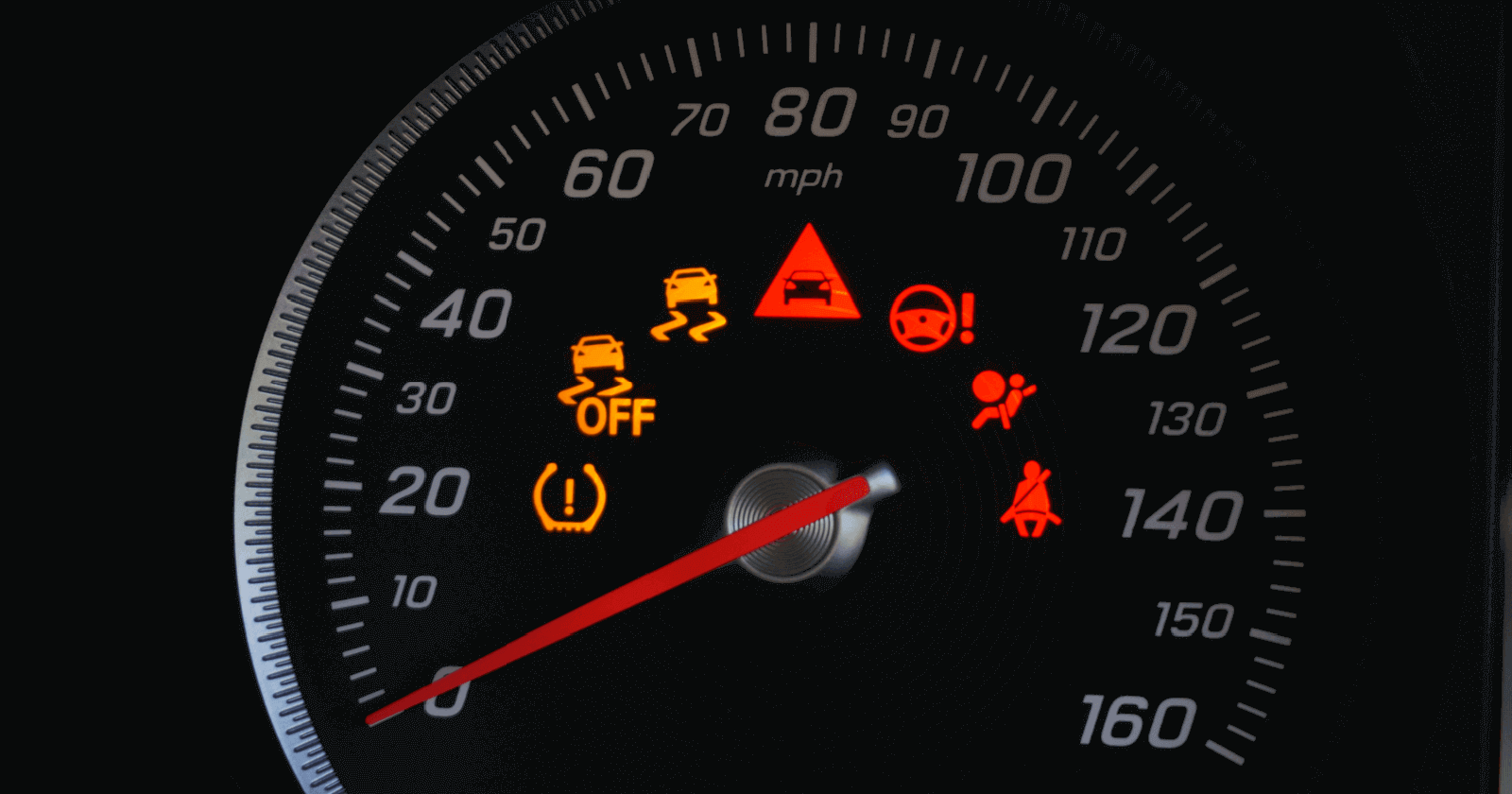
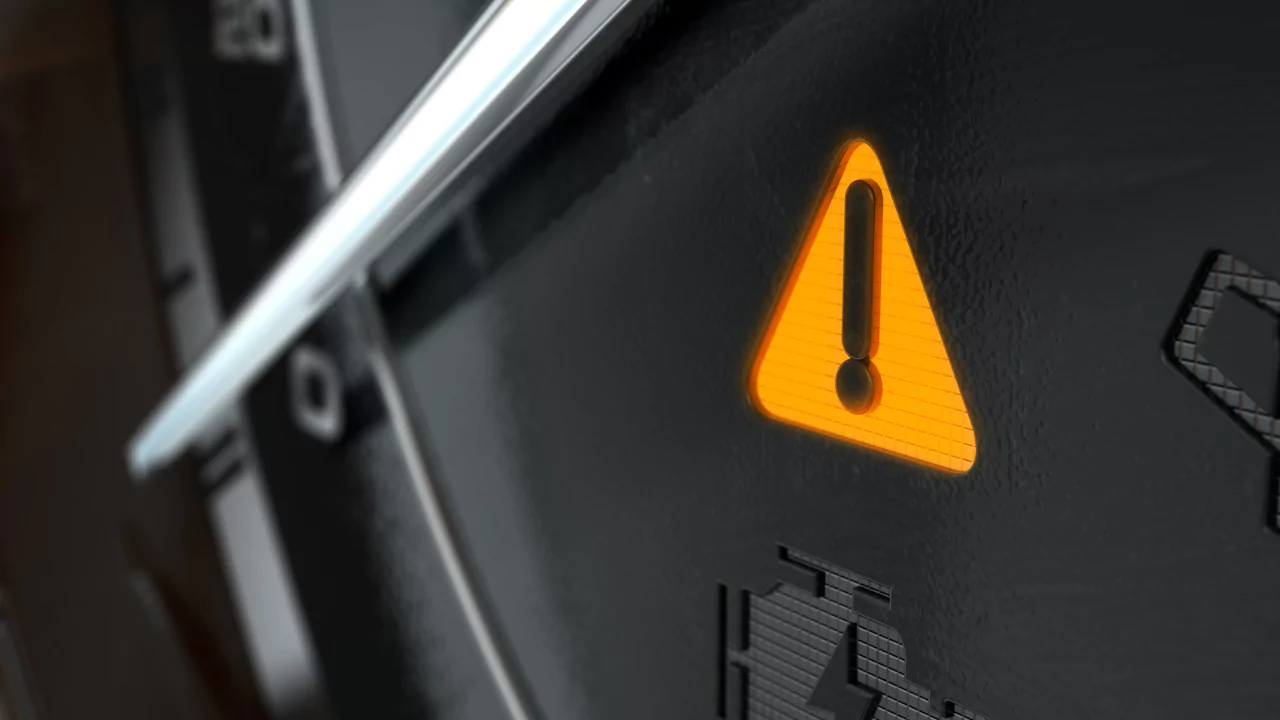
If you suddenly see a triangle with an exclamation mark ⚠️ on your dashboard, that’s the Master Warning Light—and it’s designed to grab your attention immediately.
Unlike other warning lights, this one doesn’t point to a single issue.
Here’s the simple truth:
👉 Your car is telling you that something needs attention right now.
What Does the Master Warning Light Mean?
The Master Warning Light is a general alert indicator.
👉 It means:
- One or more systems have detected a problem
- You need to check other warnings or messages
It usually appears alongside:
- Additional warning lights
- Dashboard messages
👉 Think of it as your car saying:
“Check what’s wrong immediately.”
Why This Warning Is Important
This light doesn’t specify the issue—it just alerts you that:
👉 Something needs your attention urgently
It could range from:
- Minor issue (like door open)
to - Serious issue (like engine or battery fault)
Why This Matters in India
Indian driving conditions make quick awareness important:
- Heavy traffic
- Long commutes
- Hot climate
A small issue can quickly turn into a big one if ignored.
Common Causes of Master Warning Light
Let’s break down the most common real-world reasons:
- Door, Bonnet, or Boot Not Closed
- Most basic cause
- System detects open component
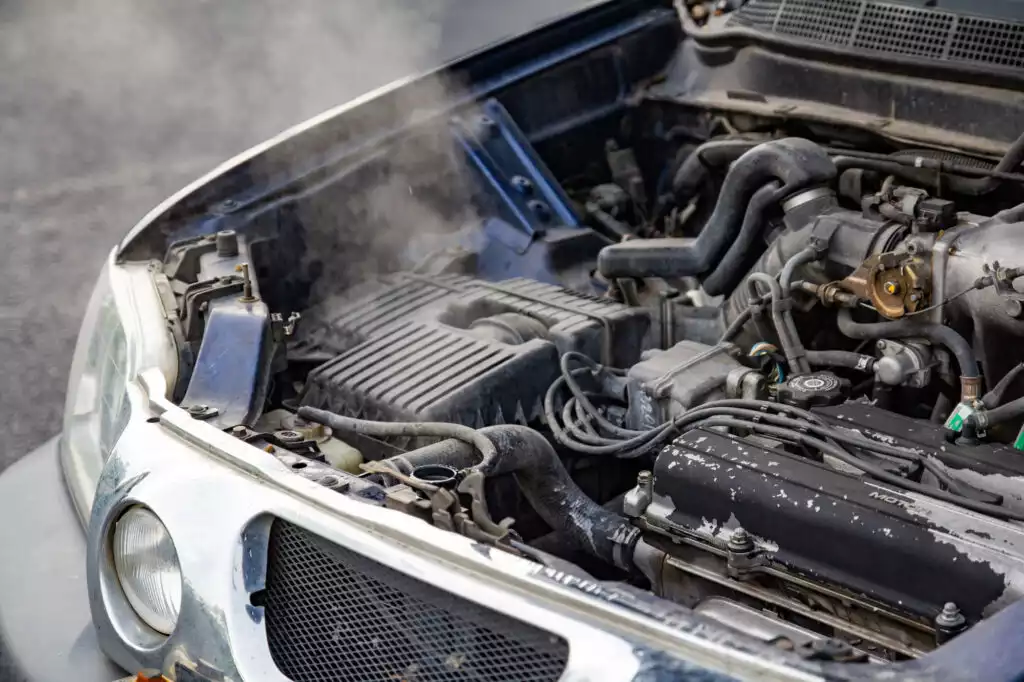
- Low Fluid Levels
- Engine oil
- Coolant
- Washer fluid
- Tire Pressure Issues
- Underinflated tires
- TPMS warning
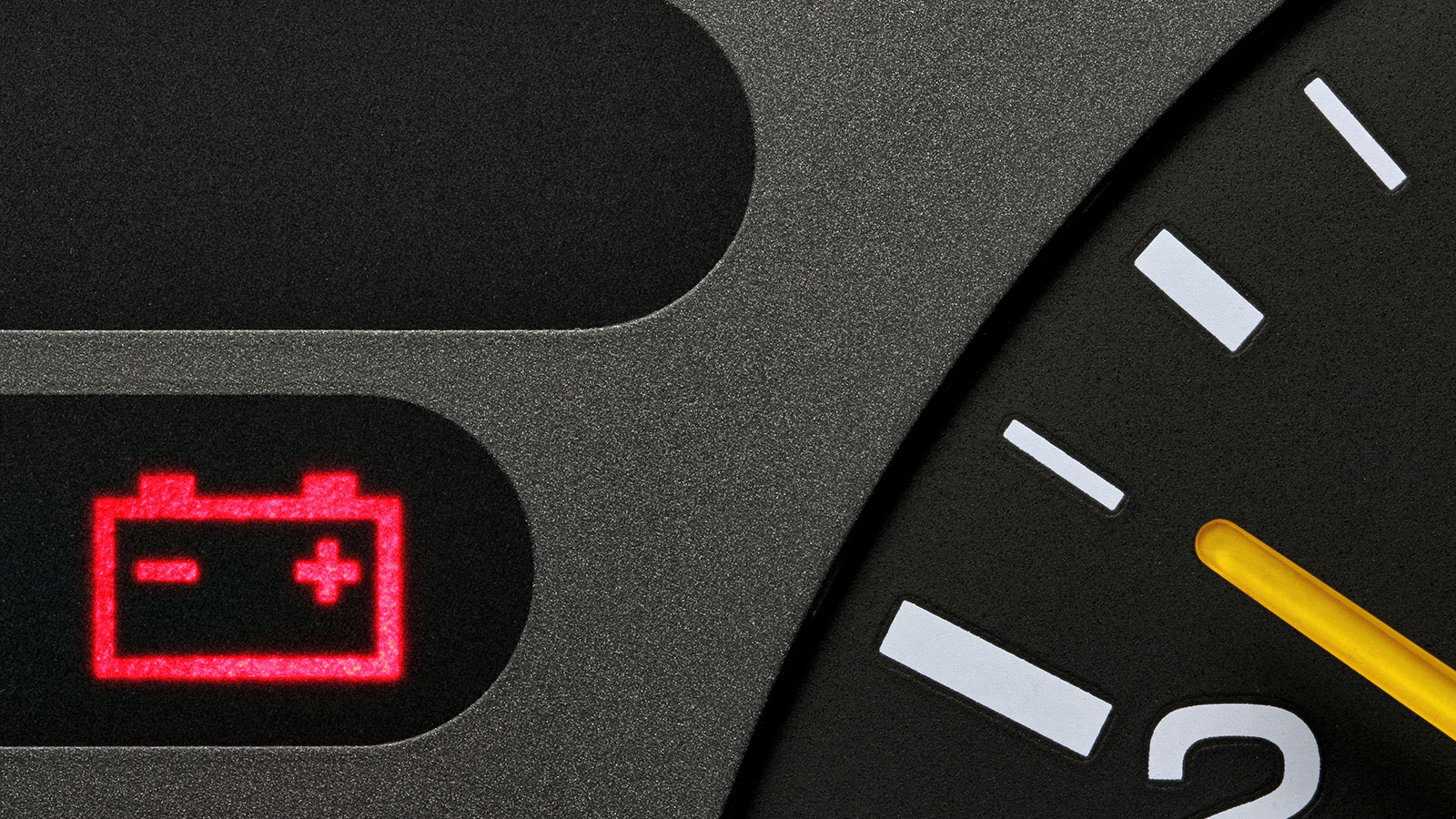
- Battery or Charging Problem
- Low voltage
- Charging system fault
- Engine or Powertrain Issues
- Performance problems
- Sensor faults
- Hybrid System Fault (in Hybrid Cars)
- High-voltage battery issue
- Serious system alert
All these issues can trigger the master warning light.
Symptoms You Might Notice
- Triangle warning light ON
- Additional warning lights
- Dashboard message display
- Warning sounds or chimes
Can You Drive With Master Warning Light On?
👉 Depends on the cause.
- Minor issue → Safe for short distance
- Major issue → Unsafe to continue
👉 Best practice:
Check immediately before continuing to drive
What Should You Do When This Warning Appears?
Follow this practical checklist:
Step 1: Check Dashboard Messages
Look for specific alerts.
Step 2: Inspect Basic Things
- Doors closed?
- Fuel cap tight?
- Fluids OK?
Step 3: Look for Other Warning Lights
They indicate the real issue.
Step 4: Restart the Vehicle
Temporary glitches may clear
Step 5: Avoid Driving if Serious Issue
Especially engine or battery warnings
Step 6: Visit a Mechanic
For proper diagnosis
Cost of Repair in India
Since this is a general warning, cost depends on the issue:
Minor Fixes:
- Fluid top-up: ₹500 – ₹2,000
- Sensor reset: ₹500 – ₹2,000
Medium Repairs:
- Battery replacement: ₹4,000 – ₹12,000
Major Repairs:
- Engine or system repair: ₹10,000 – ₹1,00,000+
How to Prevent Master Warning Issues
Simple habits can help:
✔ Regular Vehicle Checks
Monitor fluids and components
✔ Follow Service Schedule
Prevent system failures
✔ Pay Attention to Small Warnings
Fix issues early
✔ Maintain Battery Health
Avoid voltage-related alerts
Why Understanding This Matters Today
Modern cars rely on:
- ECU systems
- Sensors
- Real-time monitoring
The master warning light is:
👉 A centralized alert system
Understanding it helps you:
- Respond quickly
- Avoid major failures
- Maintain vehicle reliability
From Driver to Smart Automotive Enthusiast
Most drivers:
- Panic when this light appears
- Don’t know what to check
But informed drivers:
- Check related warnings
- Identify the issue
- Act quickly
That’s the difference.
A Subtle Upgrade: Build Real Automotive Skills
If you’re curious about how multiple systems communicate in modern cars, this is a great starting point.
Learning skills like:
- ECU diagnostics
- Fault code reading
- System troubleshooting
…can completely change your confidence level.
You move from:
👉 “What does this triangle mean?”
to
👉 “I know where to check first.”
Final Thoughts
The Master Warning Light is not a specific fault—it’s a signal to pay attention immediately.
Ignoring it can:
- Hide serious issues
- Lead to breakdowns
- Increase repair costs
Soft CTA
If you’ve ever wanted to understand how modern vehicle systems communicate, detect faults, and alert drivers, exploring structured automotive learning—especially in diagnostics and vehicle electronics—can be a valuable next step. It’s a practical way to become a more confident and capable driver who truly understands how your vehicle works.
 Watch a real battery testing demo here: Reynlab YouTube Channel
 Explore our automotive training programs: www.reynlab.com/our-courses