ECU Remapping for Improved Shift Speed in Automatic Transmissions
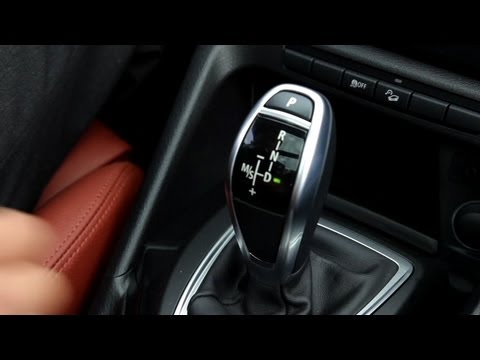
If your automatic transmission feels sluggish and the gear shifts are slow to respond, ECU remapping may help. This guide explains how remapping changes an automatic transmission's behaviour, with a focus on shift speed, and covers cars, costs, risks and legal points for India.
What is ECU Remapping?
ECU (Engine Control Unit) remapping, also known as chip tuning or flashing, means modifying the software that controls your vehicle's engine and transmission systems. The ECU is the car's brain and manages everything from fuel injection timing to shift points in automatic transmissions.
Manufacturers program the ECU to balance performance, fuel efficiency, emissions compliance and durability across many markets and conditions. The factory settings are often conservative to allow for different fuel qualities, driving habits and environments worldwide. Remapping lets you optimise them for your own driving preferences and local conditions, and it unlocks performance the manufacturer deliberately left unused.
Understanding Automatic Transmissions
Before looking at how remapping improves shift speed, it helps to know how modern automatic transmissions work. In India they typically come in four varieties:
- Traditional automatic: uses a torque converter and planetary gearsets.
- Dual-clutch transmission (DCT): has two separate clutches for odd and even gears.
- Continuously variable transmission (CVT): uses pulleys and a belt or chain instead of fixed gears.
- Automated manual transmission (AMT): popular in budget cars across India, this is essentially a manual transmission with automated clutch operation.
Each type has its own control mechanism, but all rely on the ECU to decide when and how to shift, based on vehicle speed, engine load, throttle position, driving mode selection, incline or decline detection and temperature. AMTs are particularly popular in budget segments and DCTs in premium vehicles, with brands like Maruti Suzuki, Hyundai and Tata Motors offering them across their lineups.
How ECU Remapping Improves Shift Speed
Remapping can improve shift speed through several modifications.
- Optimised shift points. The ECU contains shift maps that decide when the transmission changes gear. Remapping can lower the throttle threshold needed to trigger downshifts, raise the RPM at which upshifts occur during spirited driving, make shift patterns more aggressive in sport mode, and fine-tune shift points for Indian driving conditions and traffic patterns.
- Reduced shift delays. Stock ECUs often build in delays between deciding to shift and the actual gear change, favouring smoothness over responsiveness. Remapping can shorten that delay, reduce the "thinking time" the computer takes to process driving inputs, and optimise pressure control in hydraulic systems for faster actuation.
- Modified torque management. During gear changes the ECU often cuts engine torque to protect transmission components. That is necessary, but too much reduction makes shifts feel sluggish. Remapping can fine-tune the amount and duration of the reduction and restore torque faster once the shift completes, balancing component protection with performance.
- Adjusted clutch engagement (DCT and AMT). Clutch timing is critical for shift speed in these transmissions. Remapping can optimise clutch pressure application rates, reduce the overlap time between clutches in DCTs, and improve the timing algorithms for quicker engagement.
- Launch control enhancement. Many modern automatics have launch control, which remapping can improve to hold the best RPM for the fastest starts, control wheelspin better and engage gears more aggressively off the line.
Benefits of Faster Shift Speeds
Driving experience
The car reacts more quickly to throttle inputs and there is less lag when overtaking or merging. The driving feel is sportier, especially on Indian highways and ghat sections.
Performance
Quicker shifts mean less time between bursts of power, so acceleration improves. Lap times get better, which matters for track day enthusiasts at Buddh International Circuit or MMRT Chennai, and 0-100 km/h times improve as well, since every millisecond counts in acceleration runs.
Practical benefits
Quicker downshifts give immediate power when overtaking, which is safer. Control is better on varying terrain, particularly in hilly regions like Himachal or the Western Ghats, and a responsive transmission helps in unpredictable traffic.
Popular Cars in India for ECU Remapping
Several cars sold in India respond well to transmission-focused remapping.
Premium segment
- Skoda Octavia: the DSG transmission becomes much more responsive.
- Volkswagen Tiguan: improved shift logic changes the driving experience.
- BMW 3 Series: factory settings are conservative, and remapping brings out the car's potential.
- Mercedes-Benz C-Class: a noticeable improvement in shift speed and responsiveness.
Mid-range segment
- Hyundai Creta DCT: a popular SUV with a tunable dual-clutch transmission.
- Kia Seltos DCT: shares a platform with the Creta and offers similar tuning benefits.
- MG Hector DCT: remapping can address some of the transmission's hesitation.
- Tata Harrier Automatic: significant improvements are possible in the Hyundai-sourced transmission.
Budget segment
- Maruti Suzuki Dzire AMT: India's popular compact sedan responds well to AMT optimisation.
- Hyundai Venue iMT: the intelligent manual transmission can be enhanced further.
- Tata Nexon AMT: smoother, faster shifts are possible through remapping.
- Renault Triber AMT: a budget-friendly option with tunable transmission parameters.
The Remapping Process Explained
Remapping for transmission optimisation typically follows these steps.
- Diagnostic assessment. The professional connects a diagnostic tool to your OBD-II port, reads the current ECU settings and parameters, identifies your ECU version and hardware, and checks for existing issues or fault codes.
- Backup creation. A complete backup of your original ECU file, often called the "stock map", is made first. This lets you return to factory settings whenever needed.
- Map modification. Using specialised software, the tuner changes the parameters that affect transmission behaviour: shift point maps, pressure control tables, torque management settings, clutch engagement timing and temperature compensation factors.
- File flashing. The modified file is uploaded to the ECU, which typically takes 15-30 minutes. The vehicle must stay powered but not running, and a stable power supply is essential to prevent corruption.
- Testing and refinement. A test drive evaluates the new settings, further adjustments may follow, and final validation confirms that all systems work properly.
DIY vs. Professional Remapping
DIY remapping
With consumer-level tools now available, DIY remapping has become more accessible to tech-savvy enthusiasts in India. It can cost less, is a good learning opportunity, and lets you make incremental adjustments at your own pace. On the other hand, it requires technical knowledge, and an error could damage expensive components. Support is limited if problems arise, and it often needs specialised hardware costing ₹15,000-40,000.
Popular DIY tools in India include OBD-II flash tools with Indian market support, plug-and-play tuning boxes, and smartphone apps with Bluetooth OBD adaptors.
Professional remapping
A professional brings expertise and experience, custom-tailored solutions, a warranty on the tuning work, professional-grade equipment and comprehensive testing. The drawbacks are a higher initial cost, trusting someone else with your vehicle, and possible scheduling and waiting.
When choosing a professional tuner in India, look for:
- Experience with your specific vehicle model
- Positive reviews and testimonials
- A proper facility with diagnostic equipment
- A warranty on their work
- Before-and-after performance testing
Cost Considerations in India
The cost of transmission remapping varies a lot with several factors.
Price ranges
- Budget tuning, ₹8,000-15,000: basic file modifications with limited customisation, often using pre-made maps.
- Mid-range professional tuning, ₹15,000-30,000: custom mapping, before-and-after testing and a warranty on the work.
- Premium custom solutions, ₹30,000-60,000+: comprehensive customisation, multiple revision tuning sessions, dyno testing and validation, and extended support.
Additional costs
Some modifications may call for supporting hardware upgrades. Faster shifts can generate more heat, which may require better transmission cooling. Some shops charge separately for the initial diagnostic assessment, and additional fine-tuning sessions can cost extra.
Return on investment
Remapping is not cheap, but many Indian enthusiasts find it good value. It needs no physical modifications, is reversible if desired, improves everyday driving, can be transferred when selling the vehicle if documented, and often improves fuel efficiency slightly when you do not drive aggressively.
Potential Risks and Drawbacks
Warranty implications
Most manufacturer warranties in India are affected by ECU modifications. Some dealerships can detect remapping even after the original settings are restored, and premium service centres in Delhi, Mumbai and Bangalore are particularly vigilant.
Mechanical stress
Faster shifts can increase wear on transmission components, and higher clamping pressures may shorten clutch life. Vehicles with high mileage may be more vulnerable.
Reliability concerns
Not all ECUs respond equally well, and some transmissions have limitations that software cannot overcome. A poorly executed tune can cause driveability issues or transmission damage.
Fuel economy
More efficient shifting can improve economy, but the temptation to use the extra performance often leads to higher fuel consumption. Aggressive shift patterns also favour performance over efficiency.
Legal Considerations in India
ECU remapping sits in a grey area legally in India.
Emission compliance
Modifications that affect emissions can technically violate pollution control regulations, and a remapped car may fail emissions tests if exhaust characteristics change. Recent BS6 compliance requirements make this increasingly relevant.
Insurance
Many insurance policies in India have clauses voiding coverage for modified vehicles, and some insurers may deny claims if they discover undisclosed modifications. Specialised insurance for modified vehicles is limited but available in major metropolitan areas.
RTO regulations
The Motor Vehicles Act requires modifications to be approved and registered. In practice, software modifications are hard to detect during routine inspections, and states enforce the rules with varying strictness.
Maintenance After Remapping
Regular monitoring
Watch transmission temperatures, especially in summer in hotter regions like Rajasthan or central India. If you plan frequent spirited driving, consider an aftermarket temperature gauge.
Fluid maintenance
Use high-quality transmission fluid that can withstand higher operating temperatures, preferably synthetic fluid with better thermal stability. Consider changing it every 40,000-50,000 km instead of following the manufacturer's recommendation.
Driving habits
Allow proper warm-up before driving aggressively, be careful in extreme conditions such as heavy traffic on hot days, and consider a more conservative driving mode for daily commuting.
Periodic check-ups
Schedule regular diagnostic scans to catch developing issues, return to your tuner for adjustments if necessary, and keep logs of performance changes or anomalies.
Summary
Remapping for improved shift speed can make an automatic transmission more responsive and engaging. For young enthusiasts in India, it is an accessible entry point into performance tuning without extensive mechanical modifications.
The decision should still be made after weighing the benefits, risks and costs. Done properly by reputable professionals using quality tools, transmission-focused remapping can give years of improved driving while maintaining reliability.
Frequently asked questions
Will ECU remapping void my manufacturer's warranty in India?
In most cases, yes. Indian manufacturers can deny warranty claims if they discover ECU modifications, although some modifications can be temporarily reversed before service visits. Some specialised tuners offer limited warranties on their work.
How noticeable is the improvement in shift speed after remapping?
Most drivers report an immediately noticeable improvement, with shifts up to 30-40% faster in some vehicles. The difference is most apparent during spirited driving or in sport modes.
Can ECU remapping damage my transmission?
Quality remapping from reputable tuners should not damage your transmission when done correctly. Extremely aggressive maps or poor-quality tunes could accelerate wear or cause issues in older or already problematic transmissions.
Do I need any other modifications before remapping my transmission control?
For most vehicles, no additional modifications are required. If you have already modified the engine for significantly more power, you might need transmission hardware upgrades to handle the increased torque.
How long does the remapping process take?
The flashing itself typically takes 30-60 minutes, but a comprehensive tuning session with testing and adjustments may need 2-4 hours.
Can I return to stock settings if I don't like the changes?
Yes, because a reputable tuner always creates a backup of your original file, so you can revert to factory settings if you want.
Is remapping different for different types of automatic transmissions?
Yes. Each type (traditional automatic, CVT, DCT, AMT) needs its own tuning approach, and even within these categories manufacturers use very different control strategies.
Are there specific considerations for remapping cars in Indian driving conditions?
Yes. India's traffic patterns, fuel quality, climate variations and road conditions all affect the best transmission tuning, so look for tuners who understand Indian driving environments.
Watch our workshop videos on the Reynlab YouTube Channel, or explore our automotive training programs at www.reynlab.com/our-courses.