Swirl Flap Delete Explained: Easy and Essential Fix for Engine in India
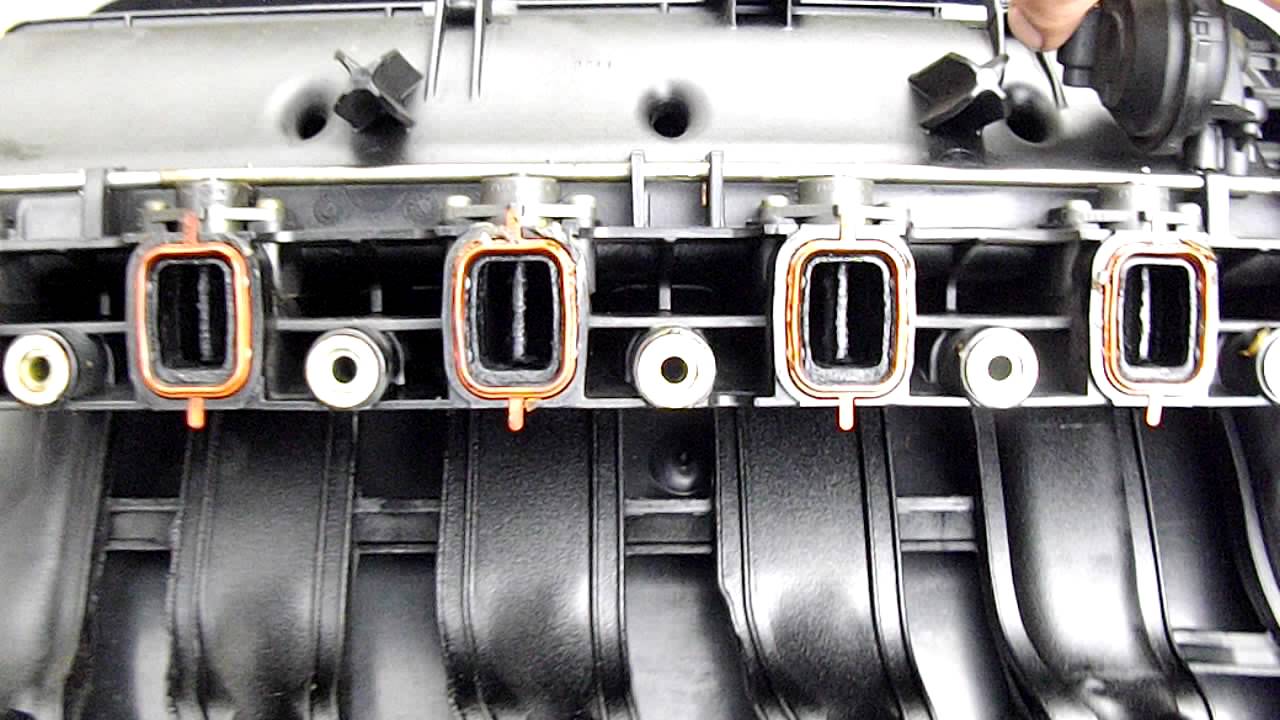
Modern diesel engines use several systems to improve emissions and combustion efficiency. One of them is the swirl flap system, found in many European vehicles. Swirl flaps improve combustion at low RPM, but they are also known to cause serious engine problems over time, which is why many owners and tuners opt for a swirl flap delete.
This guide explains swirl flaps, how they work, the common issues, and whether removing them is the right decision for your vehicle in India.
What is a swirl flap?
Swirl flaps are small metal valves inside the intake manifold, just before the cylinder head. There is one flap per cylinder, usually made of stainless steel and mounted on a rotating spindle. They improve air-fuel mixing, reduce emissions and enhance combustion efficiency. They are common in diesel engines, especially European models.
How swirl flaps work
Swirl flaps control the airflow entering the engine.
- At low RPM, the flaps partially close, the airflow becomes turbulent and the air and fuel mix better.
- At high RPM, the flaps open fully, giving maximum airflow with no restriction.
They are controlled by a vacuum actuator or an electronic servo motor, and this optimises combustion at different engine speeds.
Why swirl flaps were introduced
Swirl flaps were designed to reduce emissions, improve combustion efficiency and meet environmental regulations. They are especially effective at low engine speeds.
Common problems with swirl flaps
Despite their benefits, swirl flaps are known for several issues.
1. Carbon build-up
The EGR system introduces carbon, and oil vapours come from the intake. The flaps get clogged, airflow is reduced and performance suffers.
2. Mechanical failure
The screws holding the flaps may loosen and the flaps can break. This is a serious risk, because metal parts can enter the engine and cause severe damage.
3. Intake manifold leaks
Wear in the spindle mechanism causes air leaks, which give a poor AFR (air-fuel ratio) and reduced performance.
4. Sticking flaps
The flaps get stuck at certain positions, which leads to a check engine light and irregular engine behaviour.
These are common real-world issues.
Symptoms of faulty swirl flaps
If your vehicle has swirl flaps, watch for loss of power, rough idling, an engine warning light, increased fuel consumption and black smoke. These point to swirl flap problems.
What is swirl flap delete?
Swirl flap delete means physically removing the swirl flaps and installing blanking plates or a delete kit. It is often combined with ECU remapping.
How the delete works
- Remove the intake manifold.
- Remove the swirl flaps.
- Install the blanking plates.
- Reassemble the system.
- Optionally, remap the ECU.
The job needs a physical modification.
Why people remove swirl flaps
- To prevent engine damage, by avoiding broken parts entering the engine.
- To improve reliability, by removing failure-prone components.
- To reduce maintenance, since there are no carbon build-up issues.
- For performance stability, through consistent airflow.
Pros and cons of swirl flap delete
Advantages
- Improved reliability: no risk of mechanical failure.
- Protection from engine damage: no risk of loose parts.
- Reduced maintenance: less carbon build-up.
- Stable airflow: better long-term performance.
Disadvantages
- Slight low-RPM torque loss because of reduced air turbulence.
- Increased emissions because combustion is less efficient.
- Not required for all cars, as it depends on engine design.
It is a trade-off between reliability and emissions.
Which vehicles have swirl flaps?
They are commonly found in BMW diesel engines (M57, M47), Audi and Volkswagen, Mercedes-Benz, and Mazda diesel engines. They are mostly in European diesel cars.
Software used after swirl flap delete
After the removal, an ECU remap may be required. Popular software includes WinOLS, ECM Titanium and Swiftec, which help optimise airflow and performance.
Swirl flap delete in India
Common use cases are diesel tuning, preventive maintenance and high-mileage vehicles. Popular cars in India include BMW diesel models, Volkswagen and Skoda, and Mercedes diesels. The challenges are limited awareness and the need for skilled labour.
Cost in India
The typical cost is ₹5,000 – ₹20,000+, depending on the vehicle model, the labour cost and whether an ECU remap is needed.
Who should consider swirl flap delete?
It suits diesel vehicle owners, high-mileage vehicles and performance tuners. It is not recommended for new vehicles or for warranty-sensitive users.
Tips before removal
Inspect the intake system, clean the manifold, consider an ECU remap and use a quality delete kit. Proper execution is critical.
Final verdict
Swirl flap delete is a preventive and performance-focused modification. Choose it if you want long-term reliability, your car has swirl flap issues, or you drive a diesel vehicle. Avoid it if your car is new or you prioritise emissions compliance.
Summary
Swirl flaps were designed to improve combustion and reduce emissions, but in real-world conditions they often become a reliability concern, especially in high-mileage diesel vehicles. For Indian users, the best approach is to diagnose the issue, consider preventive removal, and combine it with proper ECU tuning.
Watch our workshop videos on the Reynlab YouTube Channel, and explore our automotive training programs at www.reynlab.com/our-courses.