Expert Strategies for Better Engine Cooling with ECU Remapping
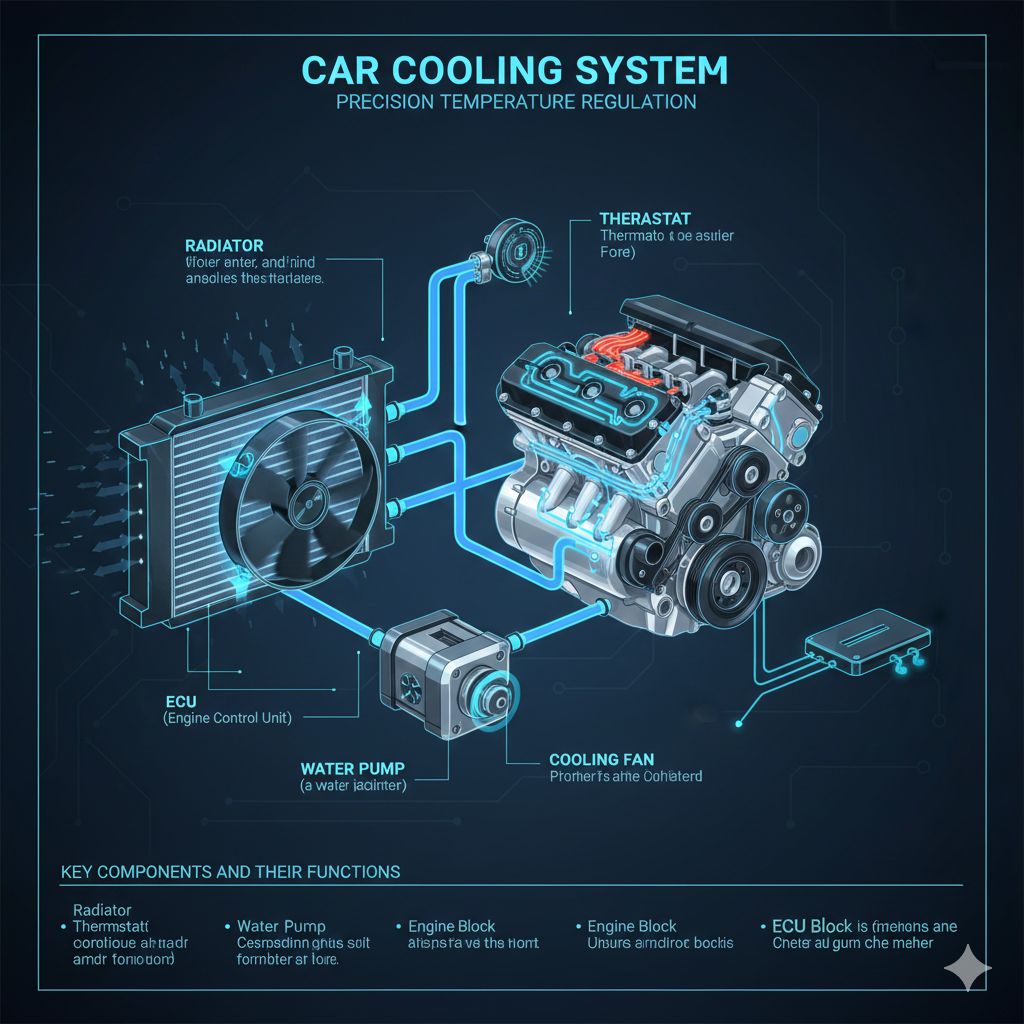
ECU remapping is best known as a way to add power and efficiency, but it also has a less obvious benefit: better engine cooling. When the engine runs smoothly and efficiently, the heat it generates is easier to manage. That reduces the risk of overheating, protects the engine and improves overall performance.
A cooler-running engine lasts longer and is more comfortable to drive. Whether you are an enthusiast chasing peak performance or a driver who wants efficiency, it helps to understand how remapping affects cooling. Handled well, it protects the engine and improves driving comfort as well as performance. This post explains the relationship between the two.
Understanding ECU remapping
ECU remapping, also called ECU tuning or chip tuning, modifies the software inside a vehicle’s Engine Control Unit (ECU) to optimize performance. The ECU is essentially the brain of the car. It manages parameters such as fuel injection, ignition timing and air-fuel ratio. Changing them can improve performance, fuel efficiency and engine cooling efficiency.
Many drivers choose remapping to unlock hidden power reserves. Manufacturers set conservative ECU parameters to meet emission standards, cope with fuel quality variations and ensure reliability in all conditions. Those settings can be adjusted to achieve better performance and efficiency, tailored to the driver’s needs and preferences.
Remapping is not limited to high-performance cars. Everyday vehicles can benefit too, with smoother acceleration, better throttle response and improved fuel economy. As technology advances, remapping has become more accessible and precise, so it is a viable option for a wider range of vehicles and drivers.
The importance of engine cooling efficiency
Cooling efficiency is critical to performance and longevity. An efficient cooling system keeps the engine within its optimal temperature range and prevents overheating. Overheating can cause warped cylinder heads, blown head gaskets and even engine failure, with costly repairs and downtime.
A well-maintained cooling system also improves performance. At the ideal temperature the engine achieves better combustion efficiency, lower emissions and lower fuel consumption. The cooling system also helps keep the cabin temperature stable and prevents heat-related problems such as vapor lock in the fuel system.
Modern engines are designed to run hotter to meet stringent emission standards and improve fuel efficiency, which makes the cooling system even more important. Any inefficiency in the cooling system can compromise the engine’s performance and reliability, so optimizing cooling through measures such as ECU remapping can have a significant impact on overall performance and durability.
How ECU remapping works
Remapping reprograms the existing software in the ECU. It usually needs specialized equipment and software to read the current ECU map, make adjustments and upload the modified map back to the ECU. The changes depend on the outcome you want, such as more power, better fuel efficiency or improved cooling.
Ignition timing is one key area. Adjusting the spark timing makes combustion more efficient, which gives better power output and less heat. Fuel injection parameters can also be fine-tuned for a more precise air-fuel mixture, which improves combustion efficiency and lowers the engine’s overall temperature.
Another important adjustment is the cooling fan activation point. Recalibrating the temperature thresholds at which the fans engage keeps the engine at a more consistent, optimal temperature and helps the cooling system work more efficiently. Remapping can also optimize the water pump operation and thermostat settings.
Benefits of ECU remapping for cooling efficiency
By optimizing engine parameters, remapping helps manage the heat of combustion more effectively. The operating temperature is more stable, the risk of overheating falls and the engine performs at its best in varied conditions.
A cooler engine burns fuel more efficiently, which means more power and better fuel economy. It is also less prone to knocking and pre-ignition, which can cause significant damage over time, so the engine lasts longer and stays reliable.
Remapping can improve thermal management of the whole vehicle too. When the cooling fans, water pump and thermostat work together more efficiently, there is less strain on other components. That improves durability and driving comfort, with a stable cabin temperature and no vapor lock in the fuel system.
Common myths about ECU remapping
Remapping is surrounded by myths. The first is that it only suits high-performance or sports cars. In reality even everyday vehicles gain better fuel efficiency, smoother acceleration and better overall performance.
The second is that remapping voids the warranty or damages the engine in the long term. Improper remapping can cause problems, but professional, reputable services keep the modifications within safe limits and tailor them to the vehicle. Done correctly, a remap should not void the warranty or harm the engine.
The third is that remapping is expensive and complicated. It does need specialized equipment and expertise, but the cost has come down with advances in technology. The long-term benefits in performance, fuel efficiency and cooling often outweigh the initial investment.
Signs your vehicle needs ECU remapping
Lack of power
If the vehicle feels underpowered or takes longer to reach higher speeds, conservative ECU settings may be the cause, and a remap can optimize them.
Poor fuel economy
If fuel consumption has increased significantly, the ECU parameters may not be optimized for efficient combustion. Remapping can fine-tune the air-fuel mixture and ignition timing for better mileage.
Overheating or temperature fluctuations
If the temperature gauge often reads higher than normal, or the vehicle overheats, cooling efficiency is not optimal. Remapping can optimize the cooling system parameters. Rough idling, stalling and difficulty starting the engine are other signs that remapping can address.
The ECU remapping process: what to expect
- Assessment. The process starts with a thorough assessment of current performance and ECU settings. Specialized diagnostic equipment is connected to the OBD-II port to read the existing ECU map, and the data shows the technician the current parameters and where to optimize.
- Customized remap. The technician creates a remap for your vehicle and performance goals, adjusting parameters such as ignition timing, fuel injection and cooling system settings. The modified map is uploaded to the ECU.
- Testing. The vehicle is tested to confirm the changes were implemented correctly and the engine performs as expected. This may include dyno testing, road testing and monitoring of engine parameters to verify gains in performance, fuel efficiency and cooling efficiency.
The whole process can take a few hours, depending on the complexity of the remap and the vehicle.
Choosing the right ECU remapping service
The right service makes sure the work is done safely and effectively. Consider these points:
- Reputation and experience. Look for a proven track record of successful remapping projects and positive customer reviews.
- Technician expertise. Remapping needs specialized knowledge, so choose experienced, certified technicians. Make sure the provider uses high-quality equipment and software, because it affects the accuracy and reliability of the work.
- Clear goals. Discuss your performance goals with the provider before the remap. A reputable provider will take the time to understand your needs and tailor the remap to your vehicle and driving preferences. Be wary of generic, one-size-fits-all remaps, which may not give the results you want and could harm your engine.
Real-world results: case studies of improved cooling efficiency
High-performance sports car
The car overheated frequently on track days. After a customized remap, its cooling system parameters were optimized, giving a more stable operating temperature and far fewer overheating incidents. The driver also reported better throttle response and smoother acceleration.
Family sedan
The sedan had poor fuel economy and occasional temperature fluctuations. The remap focused on fuel injection and ignition timing and recalibrated the cooling fan activation points. Fuel efficiency and mileage improved noticeably, and the engine temperature stayed more consistent, which reduced the risk of overheating and improved reliability.
Commercial vehicle
This vehicle did long-distance hauling and its engine was prone to overheating, especially under extended heavy load. After the remap, the cooling parameters were adjusted for better thermal management under load. Cooling efficiency improved significantly and the vehicle was more reliable on long trips. The driver also reported lower fuel consumption and better overall performance, which made the investment worthwhile.
Summary: is ECU remapping right for you?
Remapping offers more power, better fuel efficiency, better cooling and better overall engine performance. By optimizing engine parameters it manages combustion heat more effectively, reduces the risk of overheating and prolongs engine life.
It can suit the enthusiast who wants a vehicle’s full potential and the driver who wants efficiency and reliability. Choose a reputable, experienced service provider so the work is done safely and tailored to your needs, and base the decision on your performance goals, driving habits and your vehicle’s characteristics. Once you understand how remapping and engine cooling relate, you can make an informed decision and enjoy a cooler, more powerful ride.
Watch our workshop videos on the Reynlab YouTube Channel. You can also explore our automotive training programs at www.reynlab.com/our-courses.
For blog on Ecu tuning & remap
For course on Ecu tuning & remap
Related posts
Compare Dyno, Street, and Chip Tuning for Best ECU Performance
Powerful Ways to Refine Engine Output Using ECU Remapping
Ultimate OBD2 Error Codes Database with All Diagnostic Trouble Codes